
Zelenskyy Signals Willingness to Drop NATO Bid in Push for Peace, Holds Marathon Talks with US Envoys
Ukrainian President Volodymyr Zelenskyy has indicated a major shift in Kyiv’s long-held strategic position, signalling openness to abandoning Ukraine’s ambition to join NATO if it...
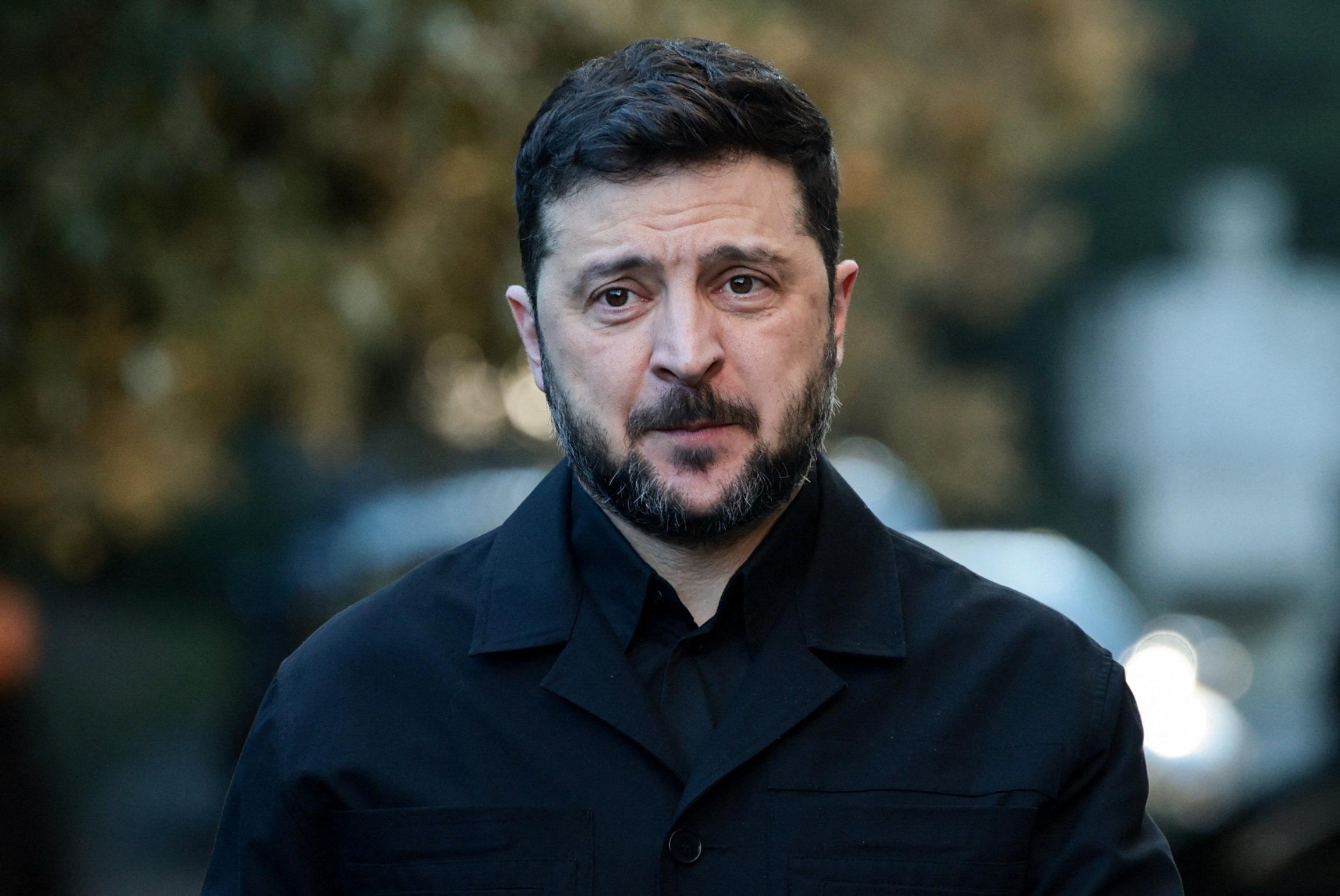
Ukrainian President Volodymyr Zelenskyy has indicated a major shift in Kyiv’s long-held strategic position, signalling openness to abandoning Ukraine’s ambition to join NATO if it leads to credible Western security guarantees and an end to the war with Russia. The offer came as Zelenskyy held nearly five hours of high-level talks with senior US envoys in Berlin, amid intensified diplomatic efforts to halt Europe’s deadliest conflict since World War II.
The discussions on Sunday involved US special envoy Steve Witkoff and Jared Kushner, a close adviser to former US President Donald Trump. While no formal agreement was announced, Witkoff said the talks had delivered “substantial progress” on a proposed peace framework. Ukrainian officials said deliberations were ongoing and that draft documents were under review, with further clarity expected after talks conclude on Monday.
A Significant Strategic Concession
Ahead of the Berlin meetings, Zelenskyy publicly acknowledged that Ukraine could reconsider its NATO aspirations—enshrined in its constitution—if it receives binding security assurances from Western partners. Such guarantees, he argued, could come from the US, key European states, and allies such as Canada and Japan, and would be aimed at deterring any future Russian aggression.
Zelenskyy described the move as a pragmatic compromise rather than a retreat, noting that Ukraine’s push to join NATO had not enjoyed unanimous backing among its partners. Security guarantees, he said, could offer real protection even outside the alliance framework.
The proposal aligns with one of Moscow’s central demands since the outset of the war. Russian President Vladimir Putin has consistently insisted that Ukraine formally renounce NATO membership and adopt neutral status, while also calling for restrictions on Western military presence in the country.
Inside the Berlin Talks
The talks were hosted by German Chancellor Friedrich Merz, who briefly addressed the delegations before allowing the negotiations to proceed behind closed doors. Other European leaders are expected in Germany for parallel discussions, underlining Europe’s growing role in shaping the diplomatic process alongside Washington.
According to Witkoff, the talks covered a broad 20-point peace plan, including political arrangements, economic issues and security mechanisms. Zelenskyy later confirmed that the framework envisages a ceasefire as an eventual outcome, though he stressed that Kyiv has not engaged in direct negotiations with Moscow so far.
A ceasefire broadly along existing frontlines, Zelenskyy suggested, could be a realistic starting point—provided it is accompanied by guarantees that Russia will not renew its offensive.
Russia’s Position and Western Calculations
Moscow has repeatedly called for written commitments from Western powers that NATO will not expand further eastward, effectively ruling out membership for Ukraine and other former Soviet states. It has also demanded that Ukraine relinquish control over remaining parts of the Donbas region still held by Ukrainian forces—an issue Kyiv has so far refused to concede.
Western proposals circulated earlier this year reportedly included conditions such as territorial concessions, limits on Ukraine’s military, and the abandonment of NATO ambitions—terms that sparked unease in Kyiv and among several European capitals.
European governments, including Britain, France and Germany, are now working to refine these proposals. They have described the current moment as decisive, while also exploring ways to bolster Ukraine’s finances, including the possible use of frozen Russian central bank assets to support Ukraine’s military and civilian needs.
Why It Matters
Zelenskyy’s willingness to reconsider NATO membership marks one of the most consequential shifts in Ukraine’s war-time diplomacy. While far from a final settlement, it reflects the mounting pressure on Kyiv to explore difficult compromises amid battlefield fatigue, political uncertainty in the US, and concerns about the sustainability of long-term military support.
Whether Western security guarantees can genuinely replace NATO’s collective defence clause—and whether Russia would accept such an arrangement—remains uncertain. But the Berlin talks suggest that, nearly four years after Russia’s full-scale invasion in 2022, the outlines of a potential diplomatic pathway are beginning to take shape.