
Rs 370 Biryani Row Exposes India's Selective Outrage on Misogyny
A viral clip sparks debate on misogyny and accountability, revealing India's inconsistent public reaction to different social controversies.
Top Summary
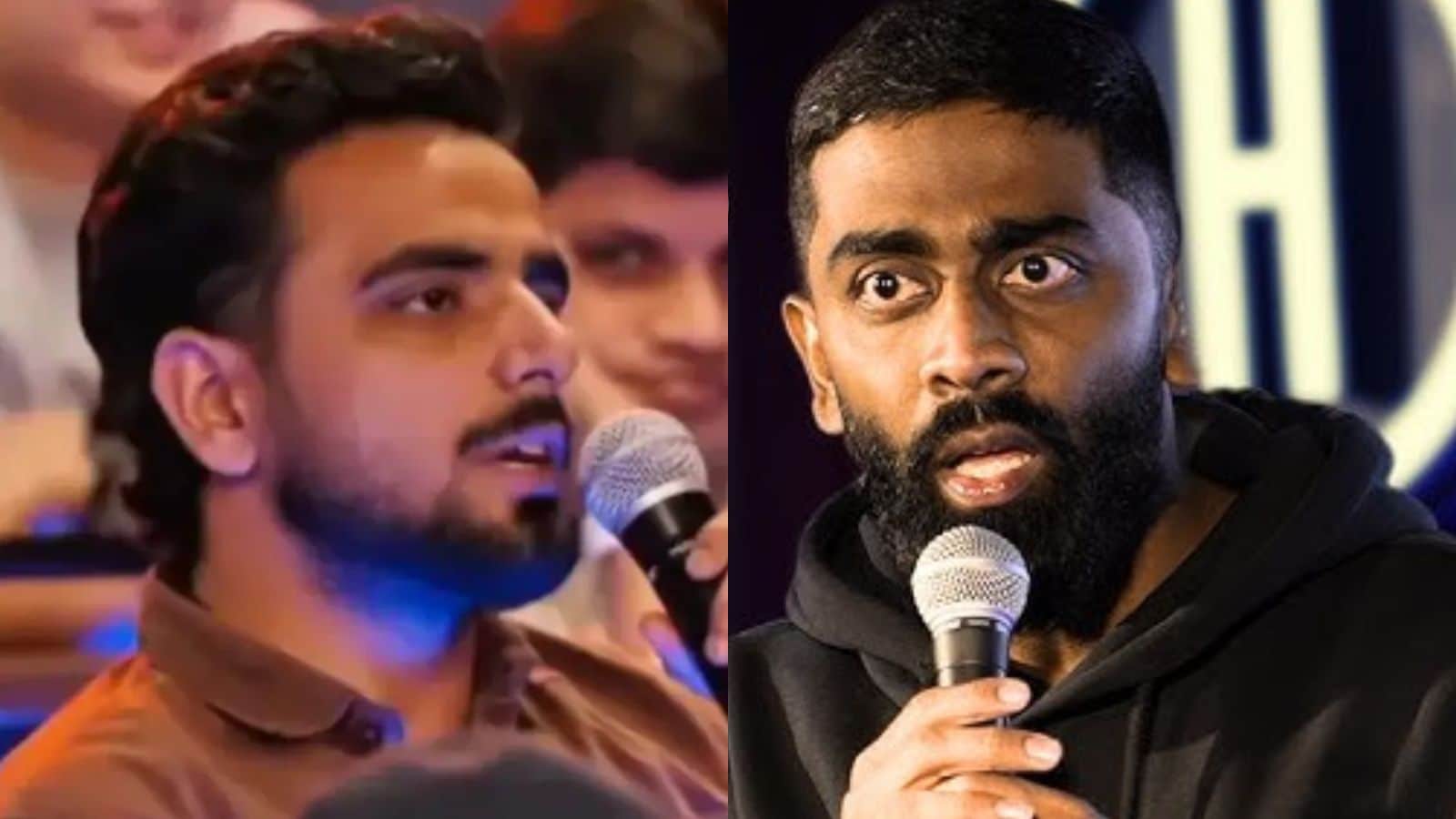
- What happened: A 22-year-old web developer, Himanshu, recounted a degrading date experience involving a Rs 370 biryani during a live comedy show. The clip, hosted by comedian Pranit More, went viral, leading to Himanshu's unemployment.
- Why it matters: The incident highlighted not only misogyny and sexual entitlement but also India's inconsistent public outrage. The discussion shifted from male accountability to women advising financial independence, a stark contrast to past controversies.
- What changes: The internet's usual "outrage machine" appeared restrained compared to how it responds to issues like religion or nationalism. The burden of the conversation largely fell on women rather than men who created the problem.
- Who is affected: Himanshu (lost job), Pranit More (comedian who hosted), the broader Indian comedy ecosystem, and women who are often targets of misogynistic attitudes and bear the brunt of finding solutions.
The Biryani Outrage That Wasn't
A viral clip featuring Himanshu, a Gurgaon-based web developer, recounting a date where he paid Rs 370 for biryani and described his subsequent encounter in a crude manner, exploded online. While such incidents typically ignite widespread outrage, the reaction to this clip took an unexpected turn.
Instead of intense debates on misogyny or holding the man accountable, social media feeds filled with women advising other women to pay for their own meals. Female creators urged financial independence, shifting the focus from the man's degrading remarks to how women could avoid similar situations.
Accountability: Himanshu's Immediate Consequences
The fallout for Himanshu was swift: he lost his job within days. This consequence divided the internet, with some calling it accountability and others labeling it mob justice.
However, the original source argues this was not a poorly worded joke. It was a man implying entitlement after spending Rs 370, with the viral clip being a sanitized version of "far more graphic" remarks.
Companies, not courts, prioritize self-preservation. When an employee becomes the face of a national controversy, companies tend to distance themselves to protect their values. Consequences for Himanshu were deemed inevitable.
The Double Standard of Outrage: Misogyny vs. Other Offenses
This incident draws parallels with the Samay Raina controversy, where a tasteless joke led to FIRs, political outrage, and family harassment, demonstrating punishment that far exceeded the offense.
In stark contrast, the Pranit More incident, involving claimed real-life sexual entitlement for a Rs 370 biryani, saw an "oddly restrained" outrage machine. While Himanshu faced consequences, questions remain about accountability for the comedian who laughed and uploaded the content.
- When a joke involves parents or 'Indian values': FIRs are filed, political outrage erupts, and public scrutiny lasts for months.
- When controversy centers on misogyny or sexual entitlement: The appetite for outrage becomes "far more selective," and the internet seems satisfied with a quick apology.
India's Shifting Moral Compass
The controversy exposed a uncomfortable truth: India's capacity to recognize misogyny is clear, yet its intensity of outrage never matches up. Instead, such incidents are often negotiated, contextualized, and quickly moved past.
Compare this to controversies involving religion, nationalism, or culture, where "every word is scrutinised," careers dissected, and television studios erupt. Women, it appears, are not on that list of "sacred" institutions demanding the same level of defense.
The Rs 370 biryani row didn't reveal that misogyny exists, but rather how quickly it is forgiven and excused. Society is smart enough to identify these toxic attitudes but has not yet decided they warrant the same outrage as other offenses.
What to Watch Next
Future discussions will likely continue to probe the inconsistencies in India's response to social issues. The balance between freedom of speech, accountability, and the nature of public outrage, particularly concerning misogyny, remains a critical area for evolving dialogue and potential shifts in societal norms.