
Kasaragod Med College OP Shift Rolled Back Amid Protests
Political parties and students protested the relocation of outpatient services at Kasaragod Medical College, leading to the decision's reversal.
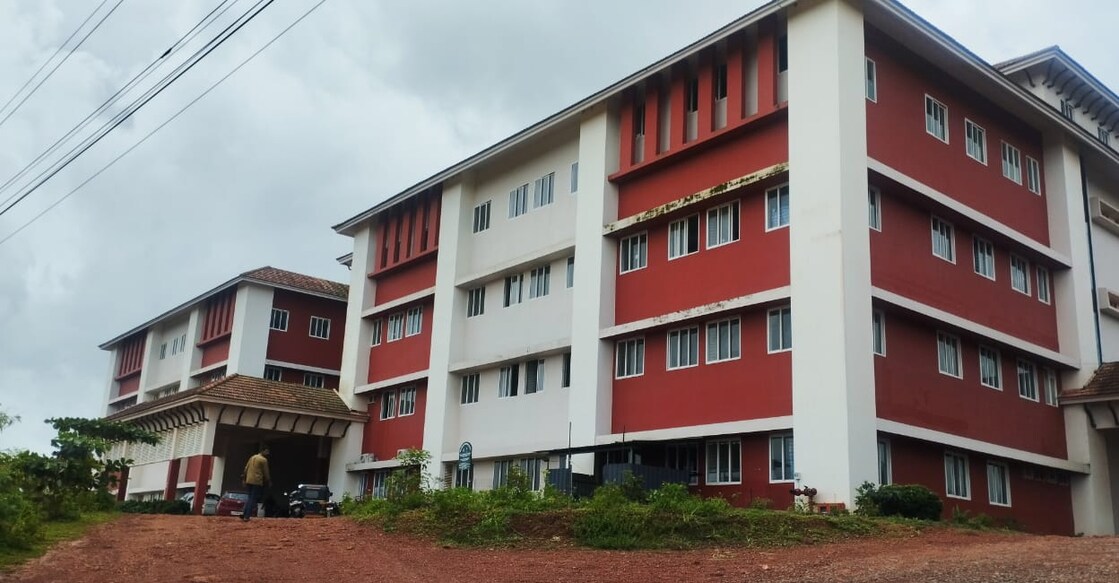
The Cliff News | 19 November 2026
A significant reversal has occurred at the Kasaragod Government Medical College, where a controversial decision to shift outpatient (OP) consultations to the Kasaragod General Hospital was quickly rolled back following widespread protests. The move, intended to facilitate clinical training for second-year MBBS students, had ignited a firestorm among political factions and the student body, highlighting persistent infrastructural and logistical challenges plaguing the institution.
The initial directive, issued by Principal Prof Arun Kumar, aimed to relocate OP services from the medical college campus in Ukkinadka to the designated teaching hospital, situated approximately 50 minutes away. This decision was justified by the need to adhere to the National Medical Commission's (NMC) Competency-Based Medical Education (CBME) curriculum, which mandates practical clinical exposure for students. A senior faculty member explained that the existing OP facility was minimal and occupied space crucial for establishing museum facilities for the Forensic Medicine and Anatomy departments.
Clinical Training Imperatives
The rationale behind the proposed shift was rooted in the academic necessity of providing second-year MBBS students with adequate clinical training. Under the CBME framework, these students require hands-on experience with patients, including exposure to outpatient, inpatient, emergency, and operation theatre settings. Faculty members expressed concern that the current arrangement hindered this vital aspect of medical education.
The faculty member elaborated on the decision-making process: "The OP was serving only the limited needs of the people, but it was hampering teaching and learning in the college. We wanted the space for setting up museums for the departments of Forensic Medicine and Anatomy." This proposal received initial approval from the Directorate of Medical Education, with assurances of support from the Health Minister and his private secretary, Dr. D. Sunil, a neurology professor tasked with hospital improvement initiatives.
Political Backlash and Student Concerns
However, the decision was met with immediate and forceful opposition. The Democratic Youth Federation of India (DYFI) organized a march to the medical college, leading to heated exchanges with the principal. IUML leader and Kasaragod MLA Kallatra Mahin strongly condemned the move, arguing it would disproportionately affect poor patients who relied on the existing healthcare facility.
Mahin Kelot, an IUML leader and convener of the Kasaragod Medical College Action Committee, criticized the principal's decision as unilateral. These protests culminated in the principal rescinding the order, allowing the OP facility to continue its operations at the medical college campus from Monday to Saturday until 1 pm. Despite this reprieve, faculty members noted that the OP services were rudimentary, barely exceeding primary health centre (PHC) standards, while still obstructing departmental development.
Infrastructural Deficiencies Plague Medical College
The core of the protracted struggle at Kasaragod Medical College lies in its severe infrastructural deficiencies. The institution lacks its own functioning hospital, forcing students to travel considerable distances for essential clinical training. The designated teaching hospital, Kasaragod General Hospital, is a 50-minute journey away, a commute made more challenging by the dilapidated state of the college's sole bus.
This 13-year-old college bus, described as a former school bus, reportedly spends nearly half its operational time undergoing repairs in workshops. This unreliability further compounds the logistical nightmare for students who are expected to be at the teaching hospital for clinical exposure for extended periods each week. Faculty members voiced their frustration, emphasizing the disconnect between the academic aspirations and the practical realities.
"Our priority is students and their medical education. We are supposed to produce future doctors. They should be at the hospital learning from the operation theatre and clinical consultations. But what is happening is not proper," a faculty member stated.
NMC Guidelines and Training Gaps
The situation at Kasaragod Medical College appears to be in direct conflict with National Medical Commission guidelines. The NMC stipulates that teaching hospitals, if situated separately from the academic block, should be within a 30-minute radius. The current 50-minute commute to Kasaragod General Hospital falls short of this requirement.
Furthermore, the NMC mandates that hospital services like OP and IP cannot be operated from academic blocks. The ongoing presence of the OP facility within the medical college's academic block, while providing some semblance of immediate healthcare access, also raises compliance issues. Faculty members are increasingly concerned that the inadequate clinical training could jeopardize the validity of the MBBS programme, which commenced in September 2025, especially for the first batch of 50 students now in their second year.
Delayed Hospital Construction
The underlying cause of these persistent issues is the stalled construction of the 450-bedded hospital block at Ukkinadka. The project, initiated with a foundation stone laid by then Chief Minister Oommen Chandy in November 2013, has been plagued by years of disputes and contractor-payment issues. Despite the passage of 13 years and changes in government, the hospital remains incomplete, with only final plastering and fitting works reportedly underway.
This protracted delay in establishing a functional hospital on campus has created a cascading effect, impacting everything from departmental space to the quality and accessibility of clinical training for the medical students. The current scenario, where political parties are seen championing the continuation of basic OP services as the primary function of a medical college, is met with exasperation by educators who feel the larger educational and infrastructural challenges are being overlooked.