
India Slams US Over Deadly Gulf Incident: Jaishankar Lodges Strong Protest With Rubio
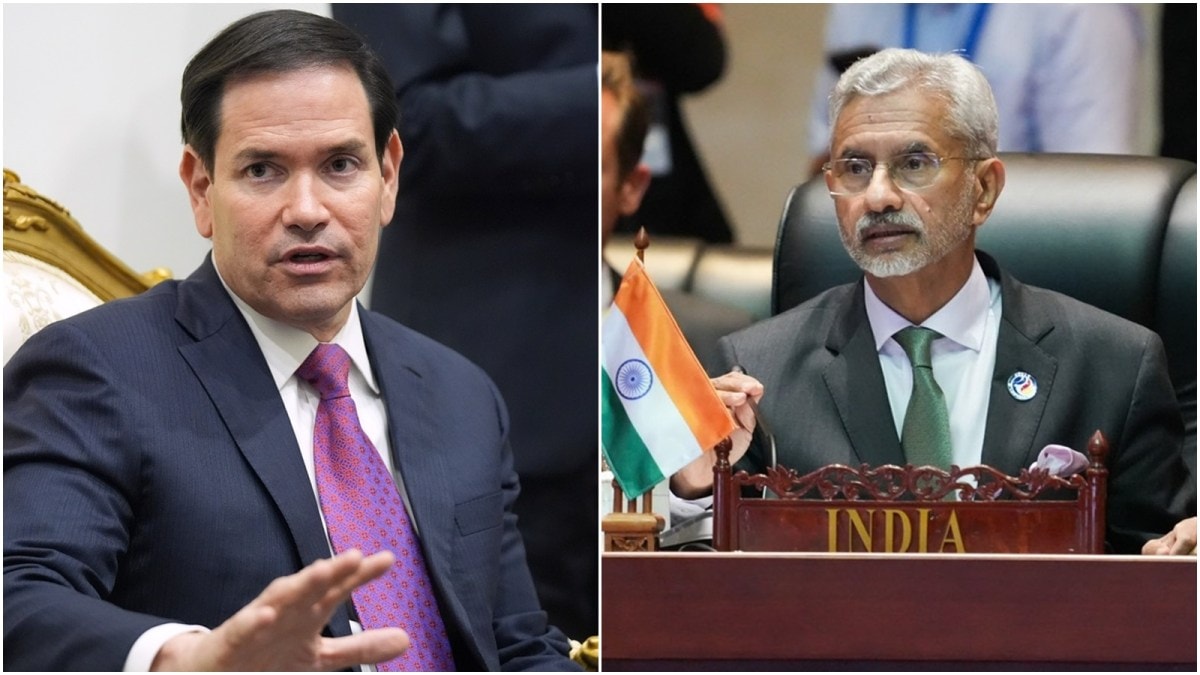
India's EAM Jaishankar lodges strong protest with US Secretary Rubio after US Navy action in the Gulf kills three Indian sailors, demanding probe.
Top Summary
- What happened: Three Indian commercial sailors were killed in the Gulf during a US Navy interception of their merchant vessel, leading to a major diplomatic confrontation.
- Why it matters: This incident severely tests India-US bilateral relations and highlights the perilous security environment for commercial shipping in volatile West Asian waters.
- What changes: India has demanded a high-level investigation and accountability from the US, while New Delhi works to repatriate the deceased sailors' remains and ensure compensation for families.
- Who is affected: The families of the three deceased Indian sailors, the governments of India and the United States, and commercial mariners operating in the Gulf region.
India Confronts US Over Sailor Deaths in Gulf
Dr. S. Jaishankar, India's External Affairs Minister, has lodged a strong diplomatic protest with US Secretary of State Marco Rubio. This confrontation follows a US Navy operation in the Gulf that tragically killed three Indian commercial sailors.
During a high-stakes telephonic conversation, Minister Jaishankar conveyed India's deep anguish. He outright condemned the use of lethal force against civilian commercial vessels, calling it "entirely unacceptable."
Deadly US Navy Action Unfolds
The diplomatic crisis began with an interception by the US Navy’s Fifth Fleet in the Middle East. The target was a commercial merchant vessel navigating international waters in the volatile Gulf region.
The vessel was carrying several crew members of Indian nationality. Citing heightened security protocols and potential maritime threats, US naval forces engaged the ship, leading to the immediate deaths of three Indian seafarers.
New Delhi has vehemently rejected any justification for this kinetic action. India emphasized that civilian mariners must receive absolute protection under international maritime laws.
New Delhi's Firm Demands for Accountability
During his call with Secretary Rubio, Dr. Jaishankar minced no words regarding operational lapses. He highlighted three critical points central to India's protest:
- India clarified that such fatal actions against non-combatant commercial vessels navigating trade routes cross a red line. These actions violate standard operating procedures.
- New Delhi has demanded a transparent, high-level investigation into the circumstances that led the US Navy to open fire on the merchant ship.
- Dr. Jaishankar insisted on fixing strict accountability for the commanders involved. He also requested immediate logistical cooperation to repatriate the mortal remains of the deceased Indian sailors to their families.
Diplomatic Responses and Bilateral Relations
This phone call represents an early and severe test for bilateral relations between Dr. Jaishankar and the newly appointed US Secretary of State Marco Rubio.
Dr. S. Jaishankar, EAM: "Spoke to US Secretary of State Marco Rubio. Conveyed India’s strong protest and deep concern over the tragic deaths of three Indian sailors due to US Navy action in the Gulf. Such lethal actions against commercial vessels are completely unacceptable. We expect a full, swift investigation and absolute accountability."
According to diplomatic sources, Secretary Rubio expressed his profound condolences over the loss of Indian lives. While defending the broader context of US maritime security mandates, Rubio assured India that Washington would look into the specific operational details with utmost seriousness.
Rising Dangers in Global Shipping Lanes
The tragic incident underscores the volatile security environment currently plaguing West Asian waters and the Gulf. Multiple naval task forces operate there under high-alert rules of engagement.
These forces aim to counter piracy, smuggling, and drone strikes. Consequently, commercial shipping lanes have become increasingly hazardous for global trade.
India's Ministry of External Affairs (MEA) and the Directorate General of Shipping are coordinating with the victims' families. They are ensuring legal assistance and compensation.
New Delhi reiterated that the safety of Indian seafarers remains a non-negotiable priority. Indian nationals form a massive chunk of the global maritime workforce.
What to Watch Next
The focus now shifts to the US response regarding India's demand for a high-level investigation and accountability. Further developments are anticipated as India pushes for the swift repatriation of the deceased sailors' remains and compensation for their families.
The diplomatic fallout will also be closely watched for its long-term implications on India-US relations and international maritime security protocols in the Gulf.