
Govt Assures E20 Fuel Safe, Insurance Valid; Dispels Blending Myths
The Indian government confirms E20 ethanol-blended fuel is safe, effective, and will not invalidate vehicle insurance policies, addressing public concerns.
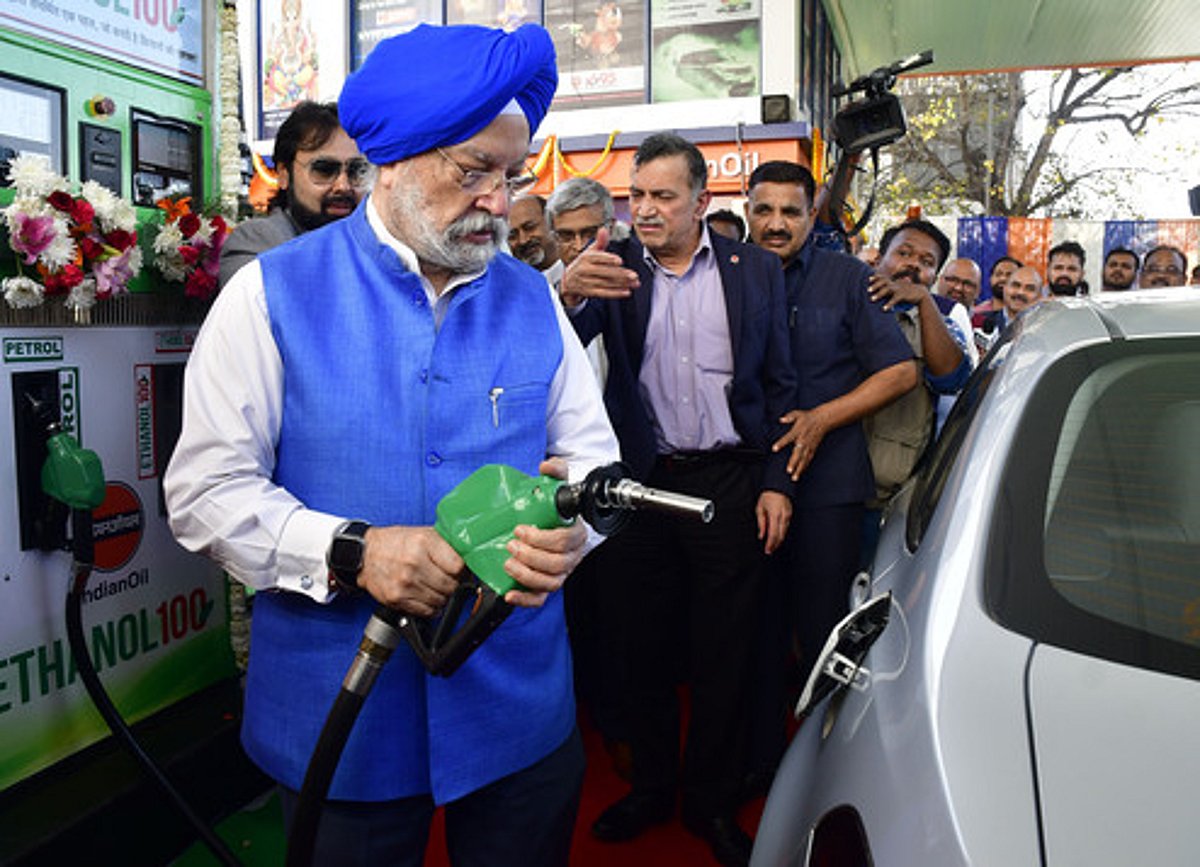
Top Summary
- What happened: The Ministry of Petroleum and Natural Gas confirmed that E20 ethanol-blended petrol is safe for vehicles and will not affect insurance policy validity.
- Why it matters: This clarification dispels widespread misinformation, assuring consumers about the safety and economic benefits of India's ethanol blending program.
- What changes: Vehicle owners can confidently use E20 fuel without fear of insurance invalidation. The government mandates E20 availability nationwide from April 1, 2026.
- Who is affected: All vehicle owners, especially those using petrol vehicles, and the broader Indian economy through reduced oil imports and support for farmers.
The Ministry of Petroleum and Natural Gas has assured the public that using E20 ethanol-blended petrol is safe for vehicles and will not invalidate insurance policies. This statement directly addresses growing concerns and misinformation circulating on social media regarding the fuel's impact on performance and safety.
Official claims linking E20 fuel use to insurance invalidation have been investigated with relevant stakeholders and found to be incorrect, the ministry clarified.
Global Practice and Economic Benefits
Ethanol blending is a globally accepted practice, successfully implemented in countries like the United States, Brazil, and Japan. Notably, Brazil has adopted higher blending levels, with E27 serving as its standard petrol mix.
The program has yielded significant economic advantages for India. It has saved over Rs 1.4 lakh crore in foreign exchange by reducing crude oil imports, bolstering the nation's financial stability.
Beyond savings, ethanol blending supports the rural economy by creating sustained demand for agricultural feedstocks such as sugarcane, maize, or grain. This directly aids farmers' incomes and strengthens the rural sector.
Enhancing Energy Security and Cleaner Mobility
Ethanol blending plays a crucial role in strengthening India's energy security. Being renewable and domestically produced, ethanol lessens reliance on imported fossil fuels, contributing to self-sufficiency.
The program also contributes to reducing carbon emissions, advancing India's transition towards cleaner mobility. Ethanol burns cleaner than pure petrol, benefiting environmental health.
The government reiterated its commitment to implementing the program in a
"safe, transparent and consumer-centric manner, guided by scientific evidence and continuous stakeholder engagement."
Mandates and Engine Protection
A key aspect of the program is the mandate for selling petrol with up to 20 per cent ethanol. This, coupled with a minimum Research Octane Number (RON) of 95, will be effective across all states and Union Territories from April 1, 2026.
The insistence on minimum RON 95 is critical to prevent engine damage. RON measures a fuel's resistance to engine knocking, which can lead to power loss and potential engine damage over time.
Ethanol naturally possesses a high octane value of around 108 RON. Blending 20 per cent ethanol significantly increases the petrol's knock resistance, ensuring vehicle longevity and performance.
What to Watch Next
As the nationwide mandate for E20 with RON 95 approaches on April 1, 2026, consumers can expect continued official communication regarding fuel availability and vehicle compatibility. Future developments will likely focus on infrastructure readiness and further advancements in cleaner fuel technologies across India.