
Delhi HC Upholds Centre's Telegram Ban Ahead of NEET Re-Exam to Curb Leaks
The Delhi High Court upheld the Centre's temporary ban on Telegram until June 22 to prevent paper leaks for the NEET 2026 re-examination.
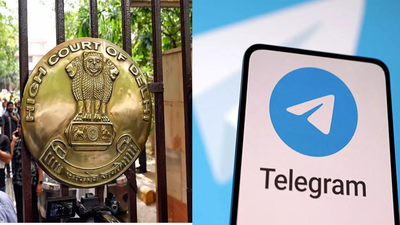
Top Summary
- What happened: The Delhi High Court upheld the Centre's decision to implement a temporary ban on the messaging platform Telegram until June 22.
- Why it matters: This measure aims to prevent paper leaks for the upcoming NEET 2026 Re-Examination, which is scheduled for June 21, following recommendations from education authorities.
- What changes: Access to the Telegram platform will be restricted for users in India until the specified date, impacting communication and content sharing.
- Who is affected: Primarily 150 million+ ordinary Telegram users in India, along with all NEET 2026 aspirants and educational stakeholders.
Court Backs Temporary Ban
The Delhi High Court on Friday rejected a petition filed by Telegram, thereby upholding the Centre's decision to block the popular messaging platform temporarily. This restriction will remain in effect until June 22, specifically to prevent paper leaks ahead of the NEET 2026 Re-Examination, scheduled for June 21.
Justice Tejas Karia, in pronouncing the order, expressed satisfaction with the procedural steps taken under Section 69A of the Information Technology Act. The court acknowledged the "emergency nature" of the issue, finding the procedure followed to restrict access to the platform appropriate.
Legal Basis and Proportionality
The Court further held that the Centre possessed the authority under Section 69A IT Act to block such a platform. It concluded that the temporary measure satisfied the tests of proportionality, deeming it both a necessary and the "least restrictive course" of action available.
The temporary blocking order against Telegram was initially passed following formal recommendations received from the National Testing Agency (NTA) and the Department of Higher Education within the Ministry of Education.
Telegram's Defence and Centre's Concerns
Telegram, in its defence, asserted that it had implemented significant proactive measures to combat unlawful content. The company stated it had taken down more than 900 links involving illicit NEET-related content, deploying advanced artificial intelligence (AI) and machine learning (ML) tools to address such information.
However, the Centre presented a contrasting view. Solicitor General Tushar Mehta argued that Telegram's technical and architectural features facilitate the creation and deployment of automated accounts, known as "bots," which are capable of disseminating bulk communications without continuous human oversight.
"Once a Bot is blocked, it can mirror channel, i.e. it is automatically redirected to another Bot," Mehta had told the Court, highlighting the persistent challenge.
Judicial Scrutiny and User Impact
During the earlier course of the hearing, the Judge had orally raised a pertinent question to the Centre: whether the rights of 150 million users could be blocked simply because one specific group of citizens, the NEET aspirants, were appearing for an examination.
Telegram's CEO, Pavel Durov, had also issued a public statement on the matter. He claimed that the Centre's action inadvertently punishes "150M+ ordinary Telegram users in India" instead of targeting the "insiders" responsible for leaking exam materials.
What to Watch Next
With the temporary ban in place until June 22, attention will now shift to the successful and secure conduct of the NEET 2026 Re-Examination on June 21. Future discussions may focus on balancing platform responsibilities in preventing illicit activities with the digital rights of a vast user base.