
WHO Issues First-Ever Global Guidelines for Managing Diabetes in Pregnancy, Aiming to Protect 21 Million Women Each Year
In a landmark move to address one of the fastest-growing health challenges worldwide, the World Health Organization (WHO) has released its first global guidelines dedicated...
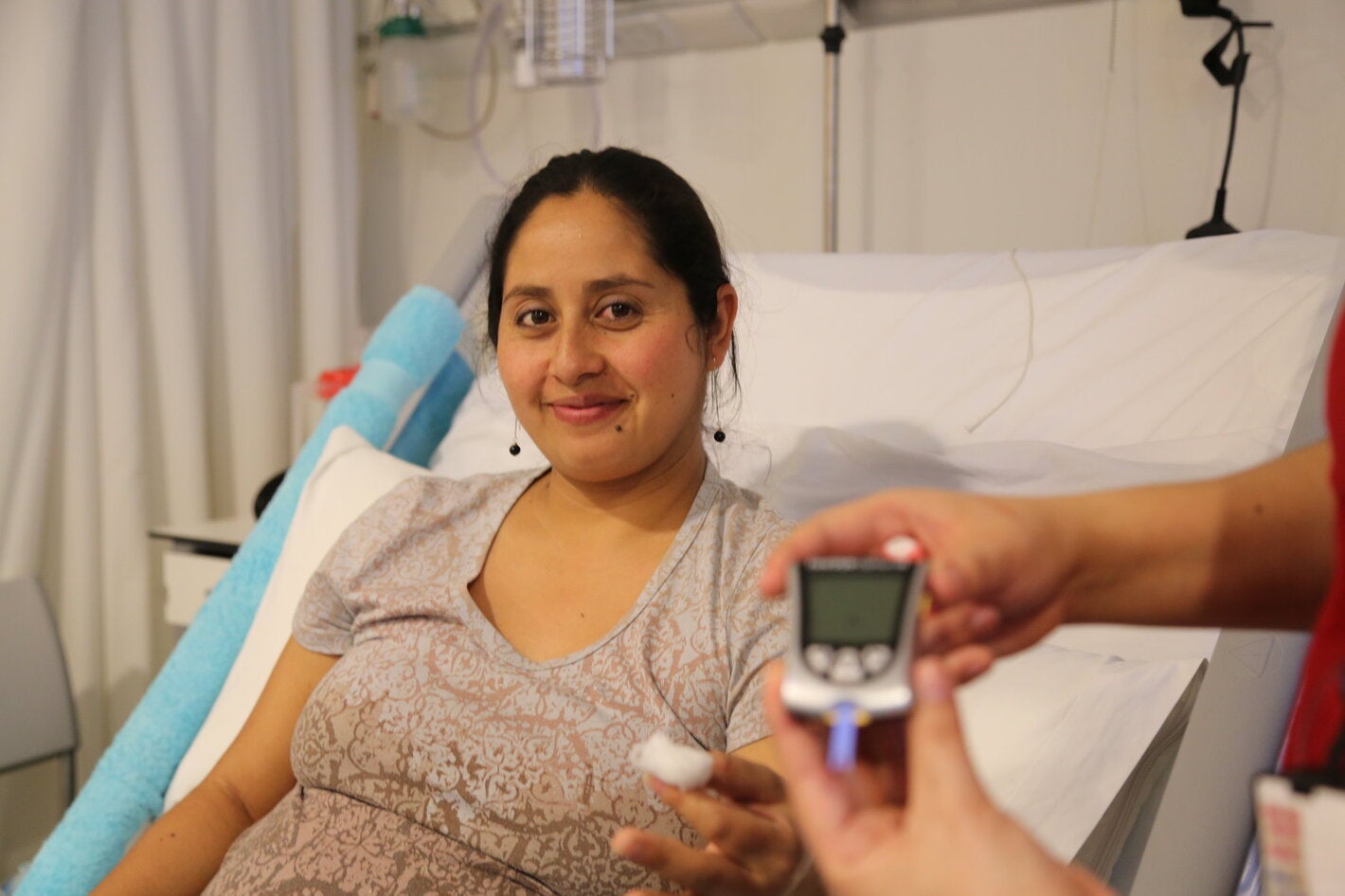
In a landmark move to address one of the fastest-growing health challenges worldwide, the World Health Organization (WHO) has released its first global guidelines dedicated exclusively to managing diabetes during pregnancy — a condition that affects roughly one in six pregnancies, or about 21 million women annually.
A Long-Awaited Global Standard
Although the WHO has previously published guidance on diabetes and separate recommendations on maternal health, this is the first time the agency has unified evidence-based strategies into a comprehensive standard of care focused on pregnant women living with diabetes.
WHO Director-General Dr. Tedros Adhanom Ghebreyesus said the new framework was designed to reflect “the realities of women’s lives and health needs,” stressing that high-quality, consistent care must be accessible “for every woman, everywhere.” His remarks accompanied the official release of the guidelines on Friday.
Why Diabetes in Pregnancy Is a Global Emergency
Diabetes during pregnancy — including type 1, type 2, and gestational diabetes — significantly heightens the risk of severe complications such as:
-
Pre-eclampsia
-
Stillbirth
-
Birth-related trauma
-
Premature delivery
Beyond immediate dangers, research shows that both mothers and their children face higher lifetime risks of type 2 diabetes, heart disease, and obesity. The burden is disproportionately high in low- and middle-income countries, where access to diagnostics, medicines, and specialist care remains limited.
Public health experts say the guidelines arrive at a crucial moment as many countries struggle with rising obesity rates, sedentary lifestyles, and limited maternal healthcare capacity.
Key Recommendations: Individualised, Continuous Care
The WHO blueprint outlines a practical roadmap for governments and healthcare providers. Central to the guidance are:
1. Personalised treatment plans
Women should receive tailored advice on nutrition, physical activity, and blood glucose targets based on their medical history, local resources, and cultural needs.
2. Regular glucose monitoring
All women with diabetes — pre-existing or first diagnosed during pregnancy — should undergo frequent blood sugar testing, both in clinics and through self-monitoring at home.
3. Clear medication protocols
The guidelines detail when pharmacotherapy is appropriate for type 1, type 2, and gestational diabetes, including safe insulin regimens and oral medication options.
4. Multidisciplinary support
For women with pre-existing diabetes, care should involve obstetricians, endocrinologists, nutritionists, and diabetes educators to manage risks throughout pregnancy and after delivery.
Integrating Diabetes Care Into Routine Antenatal Services
One of the strongest messages from the WHO is the need to embed diabetes screening and management into regular antenatal care, rather than treating it as a specialised or separate service. This includes ensuring that basic tools — such as blood glucose meters, test strips, and essential medicines — are available and affordable.
Health systems are also encouraged to strengthen postpartum follow-up, as many women with gestational diabetes develop type 2 diabetes within 5–10 years if not monitored.
A Call for Global Equity
The WHO emphasised that effective diabetes care should not be determined by geography or income level. Strengthening healthcare infrastructure, training frontline workers, and expanding access to diagnostic technologies are critical steps for reducing maternal deaths and improving long-term health outcomes for future generations.