
Vivo X300 Ultra Arrives In India With DSLR-Like Camera Kit And 400mm Zoom Lens
The premium smartphone battle in India has intensified with the launch of the Vivo X300 Ultra, Vivo’s newest ultra-flagship focused heavily on professional-grade photography. Priced...
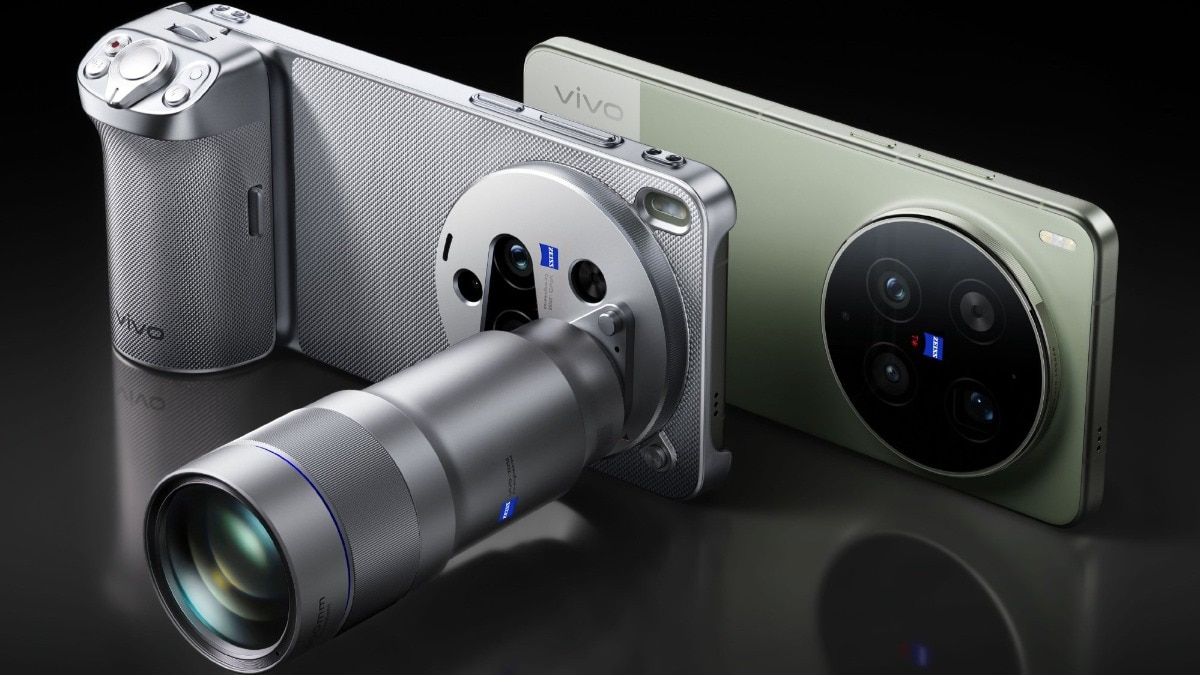
The premium smartphone battle in India has intensified with the launch of the Vivo X300 Ultra, Vivo’s newest ultra-flagship focused heavily on professional-grade photography.
Priced at Rs 1,59,999, the device brings Zeiss-backed imaging technology, dual 200MP camera sensors and an optional photography kit that transforms the phone into a near DSLR-style shooting setup. Vivo is positioning the X300 Ultra as its most ambitious camera smartphone yet.
Top Summary
- What happened: Vivo launched the X300 Ultra flagship smartphone in India.
- Why it matters now: The phone introduces advanced camera hardware and detachable telephoto lens accessories aimed at professional mobile photography.
- What changes for people: Users now have access to DSLR-like long-range photography features directly on a smartphone.
- Who is affected: Premium smartphone buyers, mobile photographers, content creators and flagship competitors like Samsung and Apple.
The launch is significant because Vivo’s earlier Ultra devices never officially arrived in India. With the X300 Ultra, the company is directly targeting the ultra-premium flagship market currently dominated by devices like the Samsung Galaxy S26 Ultra and iPhone 17 Pro Max.
According to initial impressions, the biggest highlight of the device is its camera system. The phone features a 200MP primary sensor, a 50MP ultra-wide camera, and another 200MP periscope telephoto lens, all co-engineered with Zeiss.
Vivo has also introduced unique focal length options such as 14mm, 35mm and 85mm, giving users more natural framing choices for portraits, landscapes and cinematic shots.
One of the most talked-about additions is the optional Photography Kit. The accessory package includes attachable telephoto extenders that can push zoom capability up to an equivalent 400mm focal length — a feature rarely seen on smartphones.
The complete photography kit is priced at Rs 2,09,999, while the detachable lens accessories are sold separately.
Reviewers noted that the 400mm telephoto extender could prove useful for wildlife photography, sports events and long-distance architectural shots where getting physically closer is difficult.
The phone also supports 4K 60fps video recording across all cameras, including the front camera, making it attractive for professional creators and vloggers.
Apart from photography, Vivo has equipped the device with flagship-level hardware. The X300 Ultra runs on Qualcomm’s latest Snapdragon processor and includes 16GB RAM with 512GB storage.
The smartphone houses a large 6,600mAh battery, which Vivo claims can comfortably deliver all-day usage even under heavy camera workloads.
Design-wise, the device features a large circular camera module and a 6.82-inch Zeiss Master Colour display aimed at accurate image reproduction and premium viewing quality.
Industry analysts believe Vivo is increasingly trying to differentiate itself through imaging innovation rather than raw specifications alone. The strategy appears focused on attracting photography enthusiasts who may otherwise consider standalone mirrorless cameras.
The launch also signals a broader trend in the smartphone industry where brands are blurring the line between smartphones and professional imaging equipment.
Bottom line
The Vivo X300 Ultra is not just another flagship smartphone launch. With detachable telephoto lenses, dual 200MP sensors and Zeiss imaging technology, Vivo is aggressively pushing smartphone photography into territory traditionally occupied by professional cameras.
What to watch next
- Real-world camera performance comparisons against Samsung and Apple flagships
- Consumer response to Vivo’s expensive photography kit
- Long-term performance and thermal management reviews
- Whether detachable camera accessories become a larger smartphone trend
- Vivo’s strategy in India’s growing ultra-premium smartphone market