
Virtual Autism: Screen Time Mimicking Autism Symptoms in Young Children
Excessive screen time linked to autism-like symptoms in young children.
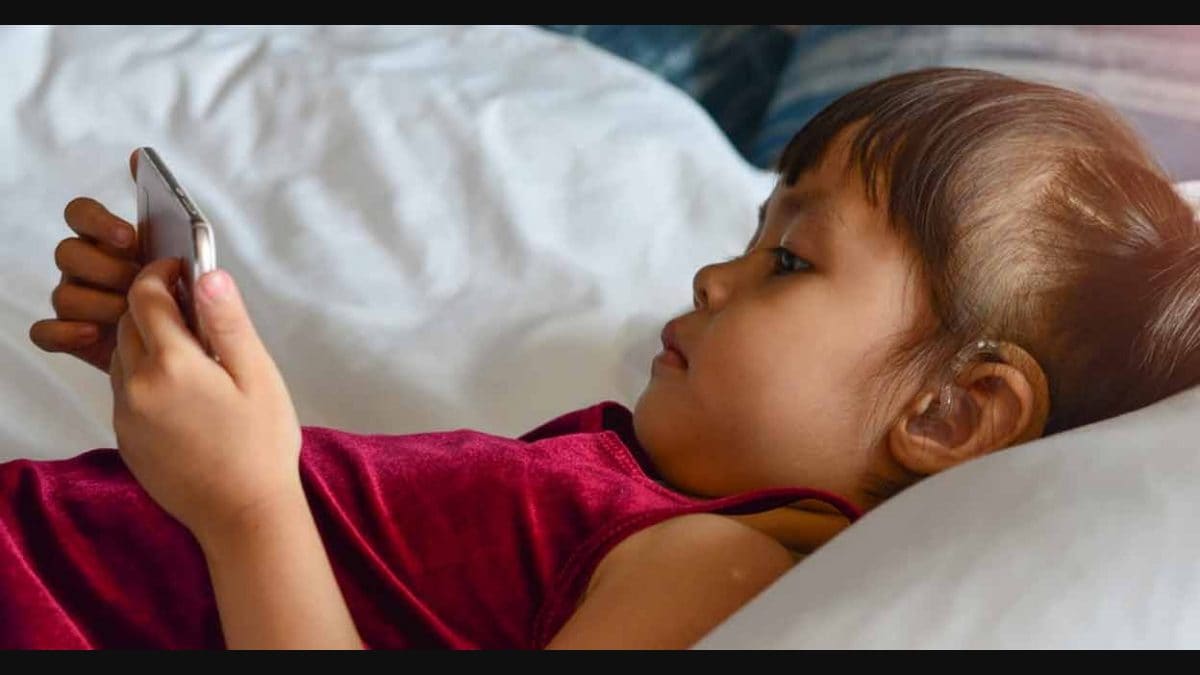
Top Summary
- What happened: Neurologists observe autism-like symptoms in children due to excessive screen time, termed 'virtual autism.'
- Why it matters: Highlights the potential harm of excessive screen exposure on young children's development.
- What changes for people: Increased awareness and potential interventions focusing on reduced screen time and increased social interaction.
- Who is affected: Children aged 2-9 and their families are directly affected.
Understanding Virtual Autism
Autism Spectrum Disorder (ASD) is primarily linked to genetics. However, neurologists are increasingly observing autism-like symptoms in children aged two to nine.
They attribute this to excessive screen time, calling it 'virtual autism'. This condition is not considered clinical.
Virtual autism is characterized by social withdrawal, speech delays, and lack of focus, stemming from excessive screen time rather than genetics.
The Impact of Screen Time
According to the India Autism Centre, 'virtual autism' is becoming increasingly common.
Excessive screen time may negatively impact a child’s character development, behaviour, and mental health.
73% of children under five exceed the WHO-recommended one-hour screen time limit.
This delays mental and physical development by at least 53%.
Symptoms and Reversibility
Virtual autism symptoms include:
- Loss of concentration
- Anger issues
- Lack of social skills
- Emotional imbalance
Unlike ASD, virtual autism is potentially reversible. Eliminating screen time and increasing real-world interaction can reduce or reverse these behaviors.
Call for Action
Doctors urge authorities to recognize this as an emergency.
They recommend formulating national-level public awareness programs.
More than 11% of school children suffer from Attention Deficit Hyperactivity Disorder (ADHD).
There's been a 3% increase in autism symptoms among 18 million children.
"Watching screens might adversely affect their character development, behaviour and mental health."
What to Watch Next
Expect increased public health campaigns addressing screen time and child development. Monitor for policy changes regulating screen time for young children to mitigate the effects of virtual autism.