
UPSC in an AI-Driven Era: Relevance, Risks, and the Road Ahead
As artificial intelligence transforms workplaces, learning, and recruitment, India’s Civil Services Examination (UPSC) is facing renewed scrutiny. The question on many minds today: in a...
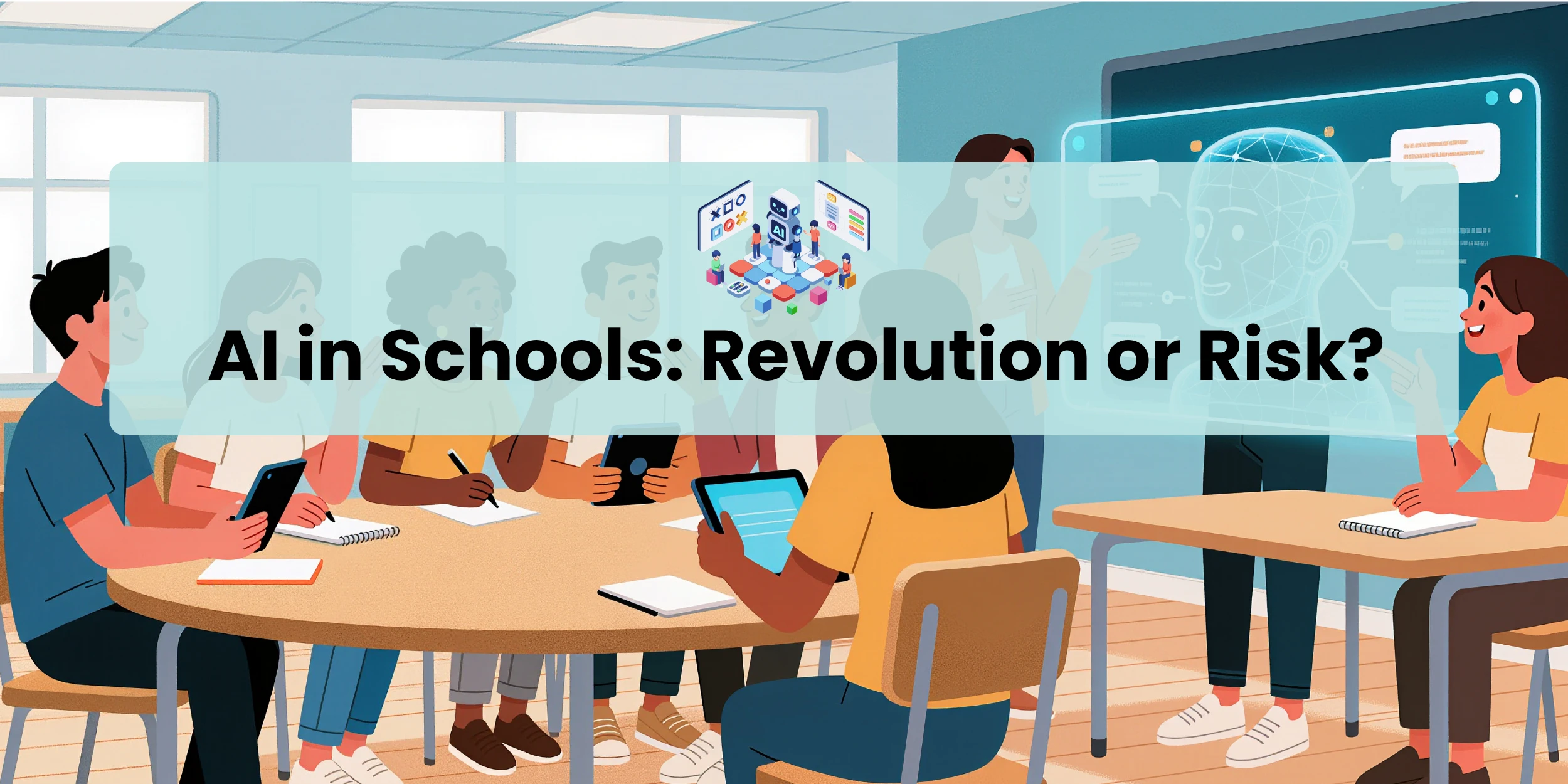
As artificial intelligence transforms workplaces, learning, and recruitment, India’s Civil Services Examination (UPSC) is facing renewed scrutiny. The question on many minds today: in a world moving faster than ever, does preparing for UPSC remain a meaningful route to public service, or has it become a high-stakes gamble demanding years of sacrifice with uncertain returns?
This debate gained prominence after economist Sanjeev Sanyal challenged the traditional, degree-focused and exam-heavy pathways, arguing that technology is reshaping how talent is identified and rewarded. His comments have reignited conversations spanning education, governance, and career aspirations for millions of young Indians.
AI and Bureaucracy: Replacing Routine, Not Judgment
Artificial Intelligence is rapidly automating repetitive decision-making, administrative workflows, and data analysis—functions historically central to bureaucratic efficiency. Critics contend that this reduces the need for generalist administrators selected through memory-intensive exams.
However, Dr. Tanya Singh, Dean of Academics at Noida International University, notes that AI cannot replace ethical judgment, constitutional reasoning, empathy, or accountability. "Governance is not only about efficiency," she explains. "It’s about interpreting the Constitution, balancing social interests, and making decisions that affect real human lives. These are domains where AI cannot substitute human judgment."
Experts suggest that instead of diminishing UPSC’s relevance, AI may increase the need for thoughtful, values-driven administrators—if the system evolves to match the demands of a tech-driven governance environment.
The Cost of Preparation
A major criticism of UPSC is the years aspirants spend preparing without clear direction. Dr. Kirti Avishek, Associate Dean at BIT Mesra, emphasizes that preparation can be transformative if approached strategically. "The real pay-off is not merely success in the exam, but the conscious development of transferable capabilities such as analytical thinking, research proficiency, and structured expression," he says.
Without self-assessment and parallel career planning, preparation can become a trap, leaving aspirants stuck in cycles of prelims and mains while peers advance in other fields.
Opportunity Cost vs. Skill-Building
Many aspirants fear the lost time and career momentum. Yet, Dr. Singh views UPSC preparation itself as professional training. Discipline, time management, analytical reasoning, and structured thinking—skills honed during study—remain valuable across multiple career paths. The key, she says, is time-bound, reflective preparation rather than open-ended immersion.
Economists agree: UPSC is not inherently a waste of time, but indefinite preparation without recalibration carries significant risk.
Adapting to a Skills-First India
With India exploring apprenticeship-based education and skill-centric hiring, UPSC’s format faces calls for modernization. Dr. Singh advocates reforms that emphasize practical governance skills, case-based problem-solving, and field assessments. Ethics, public accountability, and technology literacy should form the backbone of civil service training in an AI-powered society.
Dr. Avishek stresses that education—through UPSC or otherwise—must balance AI-enabled learning with human-centered skills like leadership, empathy, and collaboration, which machines cannot replicate.
UPSC: Not Obsolete, But at a Crossroads
The consensus is clear: UPSC remains relevant but is under pressure to evolve. AI has exposed the limits of rote memorization and traditional credentialing, while highlighting the irreplaceable role of human judgment in governance.
Preparation, when aligned with self-awareness, skill development, and clear timelines, can remain valuable even for aspirants who do not ultimately join the civil services.
Questions Every Aspirant Must Ask
In today’s AI-driven context, preparing for UPSC is not inherently futile. What matters is intent, strategy, and adaptability:
-
Does preparation build skills with long-term relevance?
-
Is there a clear timeline and periodic self-assessment?
-
Are alternative career pathways considered?
-
Is motivation driven by public service, or solely by the ambition to clear a competitive exam?
The future belongs not to those who cling blindly to tradition, nor to those who reject it outright, but to individuals who navigate established paths with clarity, balance, and adaptability—just as governance itself must evolve in a rapidly changing world.