
The Raja Saab Review: Prabhas Experiments With Romance and Horror in a Risky Fantasy Bet
What happened: Prabhas returned to theatres with The Raja Saab, a romantic horror fantasy directed by Maruthi, released nationwide on January 9, 2026. Why it...
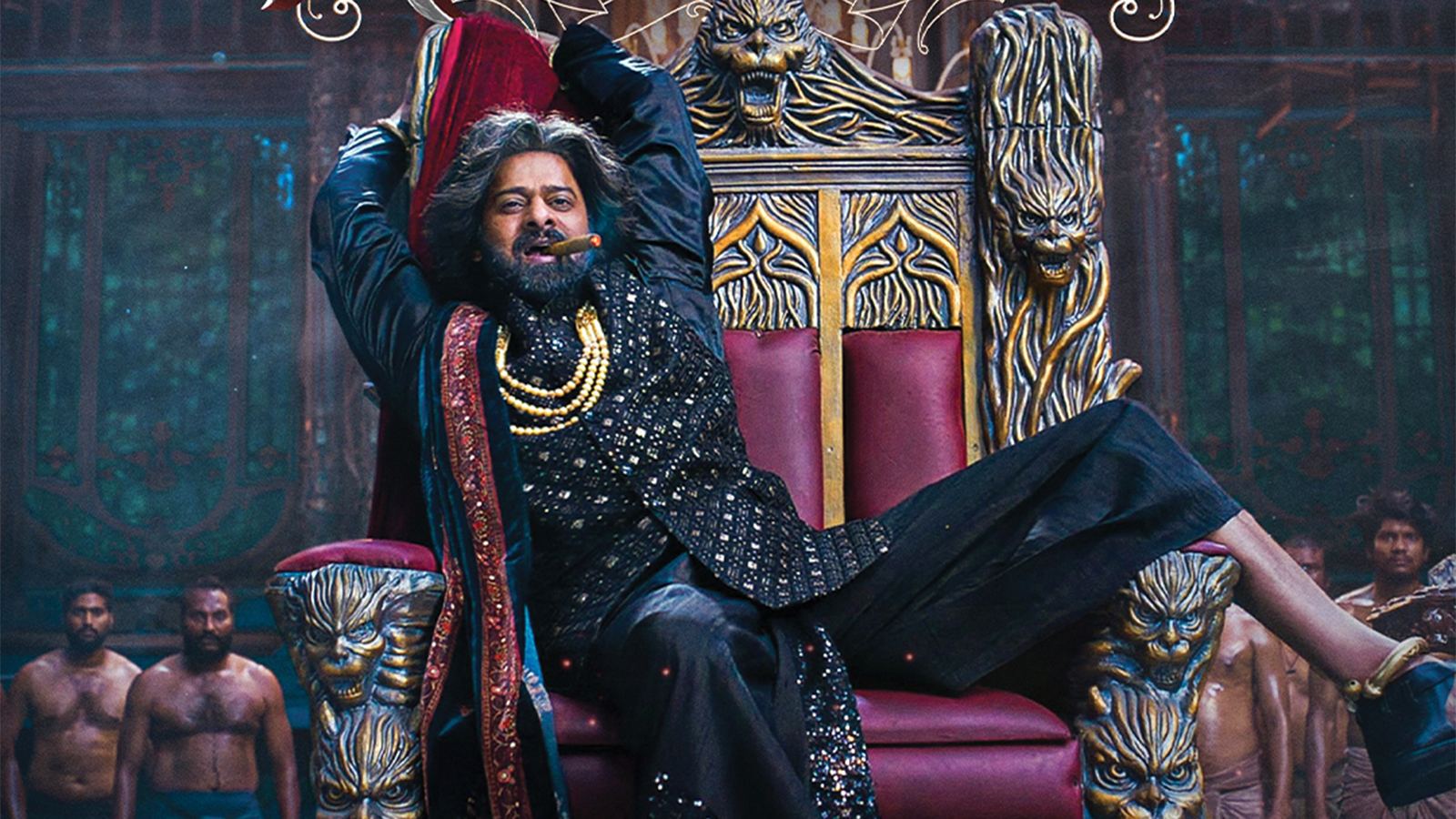
What happened: Prabhas returned to theatres with The Raja Saab, a romantic horror fantasy directed by Maruthi, released nationwide on January 9, 2026.
Why it matters now: The film arrives after Prabhas’ back-to-back blockbusters Salaar and Kalki 2898 AD, raising expectations of a hat-trick.
What changes for people: Audiences see Prabhas step away from action-heavy spectacles into a lighter, genre-blending space.
Who is affected: Fans, trade analysts, exhibitors, and the careers of Maruthi and the film’s three female leads.
A calculated shift after massive blockbusters
After redefining scale and spectacle with Baahubali, Salaar, and Kalki 2898 AD, Prabhas has attempted a tonal pivot with The Raja Saab. Directed by Maruthi, known for his comic writing sensibility, the film blends romance, horror, and fantasy in a format that is rare for stars of Prabhas’ stature.
Released on Thursday across India, the film marks Prabhas’ first full-fledged romantic horror outing and his first collaboration with music director Thaman S.
What the film sets out to do
The Raja Saab follows a love story set against supernatural elements, leaning more toward fantasy than pure horror. The narrative relies heavily on humor, visual effects, and Prabhas’ star presence rather than high-octane action.
Maruthi, who gained recognition for his writing in Prema Katha Chitram, attempts to scale his trademark comedy to a pan-Indian canvas. Industry observers note that the film took nearly three years in development, reflecting multiple creative recalibrations before release.
Performances and creative choices
Prabhas appears in a relatively relaxed, playful avatar, a sharp contrast to his recent intense roles. While fans may appreciate the change, the performance depends largely on charm rather than dramatic depth.
Among the female cast, Malavika Mohanan, Nidhhi Agerwal, and Riddhi Kumar share screen space, though the story remains firmly centered on Prabhas. Their roles add glamour and emotional beats but stop short of driving the narrative.
Music by Thaman S, his first collaboration with Prabhas, supports the film’s lighter mood. Background score and songs are designed for mass appeal, though they do not dominate the storytelling.
Audience response and early trade view
Early reactions from opening shows suggest a mixed response. While fans have welcomed Prabhas’ genre shift, some viewers feel the film struggles to balance comedy, romance, and supernatural elements smoothly.
Trade analysts tracking initial occupancy report stronger turnout in Telugu-speaking regions, with performance in Hindi and other markets expected to depend on weekend word-of-mouth.
The film’s commercial trajectory is crucial, as it tests whether Prabhas’ box-office pull extends beyond large-scale action spectacles.
Why this film matters for Prabhas and Telugu cinema
With The Raja Saab, Prabhas signals willingness to experiment despite his established blockbuster image. For Telugu cinema, the film represents an attempt to package horror comedy at a truly pan-Indian scale, something few have successfully achieved.
The outcome could influence future star-driven projects that move away from formulaic action and toward genre hybrids.
The stakes are clear. A strong run could broaden Prabhas’ screen identity, while an underperformance may reinforce expectations of spectacle-only cinema.