
Taylor Swift Tightens Legal Protections Ahead of Rumoured Wedding to Travis Kelce Amid Privacy Push
Taylor Swift is reportedly making major legal moves just weeks before her much-speculated wedding to Travis Kelce, as fresh filings suggest the pop superstar is...
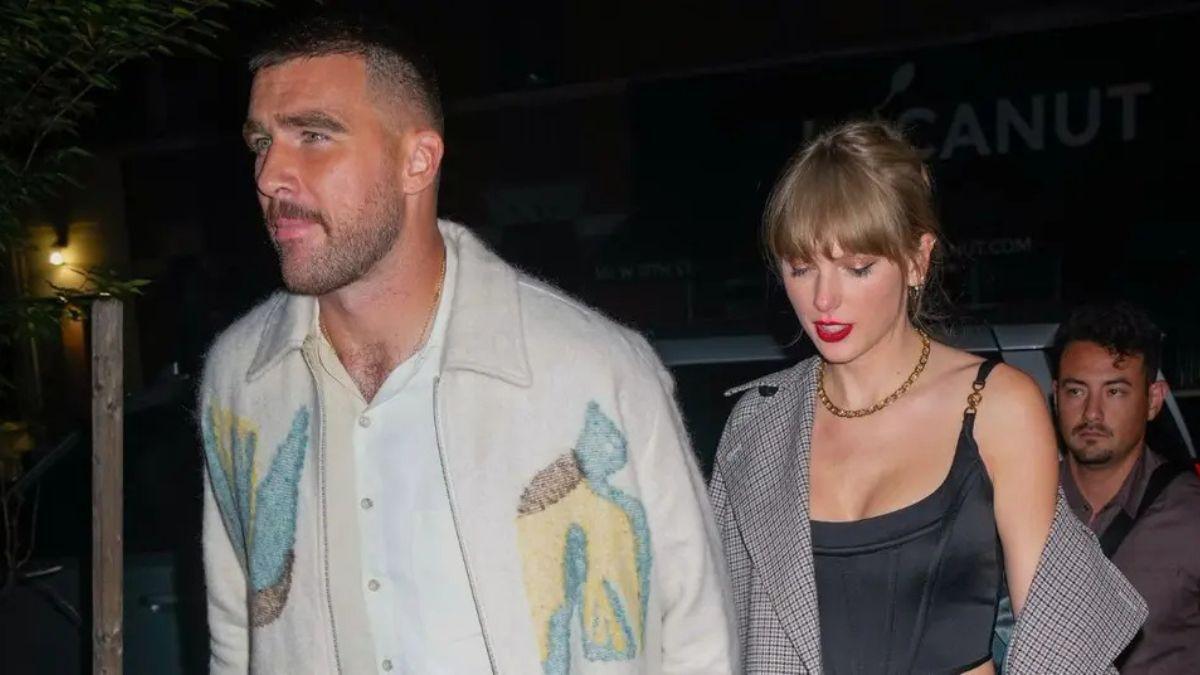
Taylor Swift is reportedly making major legal moves just weeks before her much-speculated wedding to Travis Kelce, as fresh filings suggest the pop superstar is strengthening control over her voice, performance identity, and visual likeness.
While wedding rumours continue to swirl around the celebrity power couple, Swift is also said to be quietly building stronger protection around her brand in the age of AI and digital replication.
The timing has sparked intense buzz online, with fans linking the filings to both her upcoming personal milestone and the growing threat of AI misuse.
- What happened: Taylor Swift has reportedly filed new sound mark and visual trademark protections through TAS Rights Management, while rumours intensify about her upcoming wedding to Travis Kelce.
- Why it matters now: The filings suggest Swift may be proactively protecting her voice and likeness against AI misuse, while also tightening privacy and control during a high-profile period in her personal life.
- What changes for people: Fans and the entertainment industry may see stronger legal precedent around how celebrities protect audio signatures, visual branding, and AI-related identity rights.
- Who is affected: Taylor Swift fans, AI and copyright watchers, entertainment media, celebrity brand managers, intellectual property experts, and followers of Swift–Kelce wedding speculation.
As wedding rumours around Taylor Swift and Travis Kelce continue to dominate celebrity headlines, the pop icon is reportedly making another kind of move behind the scenes — one focused less on romance and more on legal control, brand protection, and privacy.
According to recent reports, Swift has made multiple new trademark-related filings through TAS Rights Management, a move that appears designed to strengthen protection around her signature voice elements and stage imagery at a time when AI-generated impersonation is becoming a growing concern across the entertainment industry.
The filings, according to reports, include two “sound mark” applications tied to phrases that Swift is said to frequently use during performances. Those reportedly include:
- “Hey, it’s Taylor Swift”
- “Hey, it’s Taylor”
If confirmed, these filings would represent an especially notable move because they go beyond traditional name or logo trademarks. Instead, they focus on recognizable audio identity — the kind of branding that can become incredibly valuable in an era where AI tools can imitate celebrity voices with increasing accuracy.
That is what makes this story bigger than just another celebrity filing.
As AI-generated music, cloned vocals, and synthetic celebrity content continue to raise legal and ethical questions, Swift’s reported filings appear to reflect a broader industry shift: top-tier stars are no longer just protecting songs and logos — they are now trying to protect how they sound and how they are visually remembered.
The report also says Swift has filed a third trademark, this time tied to a very specific visual image. That filing reportedly covers a detailed photograph of Swift holding a pink guitar with a black strap, while wearing a multi-colored iridescent bodysuit with silver boots, standing on a pink stage in front of a multi-colored microphone, with purple lights in the background.
That level of detail suggests a highly specific attempt to secure control over an iconic performance look or stage image — potentially useful in cases involving merchandising, imitation, promotional use, or even AI-generated visual reproductions.
The AI angle becomes even more significant because, according to the report, intellectual property attorney Josh Gerben said that if a legal dispute ever arose over AI systems using a voice that sounds like Swift, a registered sound mark could potentially strengthen her argument that such use infringes on protected trademark rights.
In other words, this may not just be routine celebrity paperwork. It could be part of a much larger effort to build legal tools for the next phase of AI-era identity protection.
And the timing is especially interesting.
All of this is happening while speculation around Taylor Swift and Travis Kelce’s wedding continues to intensify. Reports say the couple is now just weeks away from getting married, and while Kelce has reportedly remained busy with professional commitments, Swift has been keeping a lower public profile.
That privacy-first approach appears to be deliberate.
The latest reports suggest the two are seeking as much discretion as possible as they prepare for what is being described as a lavish, multi-million-dollar wedding. Earlier rumours had pointed to June 13 as the wedding date, but newer speculation claims the couple may now be targeting July 3, with Manhattan reportedly emerging as the expected location for the celebration.
However, it is important to note that neither Taylor Swift nor Travis Kelce has publicly confirmed the wedding date, venue, or planning details. Like much of the reporting around celebrity weddings, much of the current buzz remains rooted in unnamed sources and media speculation.
That makes the privacy angle especially relevant.
For a celebrity of Swift’s scale — a global music icon, billionaire brand, and constant subject of intense online scrutiny — wedding planning is not just a personal matter. It is also a security, logistics, and media-management challenge. In that context, strengthening legal protections around her public identity at the same time she is reportedly seeking more private space makes strategic sense.
It also reflects how celebrity power is evolving.
In the past, stars mainly protected songs, likeness rights, and merchandise. Today, they also have to think about deepfakes, AI voice cloning, synthetic visuals, impersonation content, and viral misinformation. That means legal strategy is becoming just as important as PR strategy.
And few artists are better positioned than Taylor Swift to shape that shift.
She already has one of the most tightly controlled and commercially powerful brands in entertainment. If she is indeed expanding her trademark fortress to include sound signatures and iconic visual staging, it could become a blueprint for how major celebrities defend themselves in the AI era.
Bottom line
As rumours swirl about a private, lavish wedding to Travis Kelce, Taylor Swift is reportedly making calculated legal moves to protect her voice, visual identity, and brand — especially as AI makes celebrity imitation easier than ever. Whether or not the wedding details are accurate, the filings suggest Swift is preparing for a future where privacy and intellectual property are more connected than ever.
What to watch next
- Whether Taylor Swift’s sound mark filings are officially approved
- If more celebrities begin trademarking voice signatures and stage visuals
- Whether Swift or her team publicly addresses the wedding rumours
- If the reported July 3 Manhattan wedding date gains stronger confirmation
- How courts and IP lawyers handle AI voice-cloning and celebrity likeness cases
- Whether Swift’s filings become a model for broader AI-era celebrity brand protection