
Sunetra Pawar reaches Mumbai, set to become Maharashtra’s first woman Deputy CM
What happened: Rajya Sabha MP Sunetra Pawar arrived in Mumbai ahead of her swearing-in as Maharashtra Deputy Chief Minister. Why it matters: She is poised...
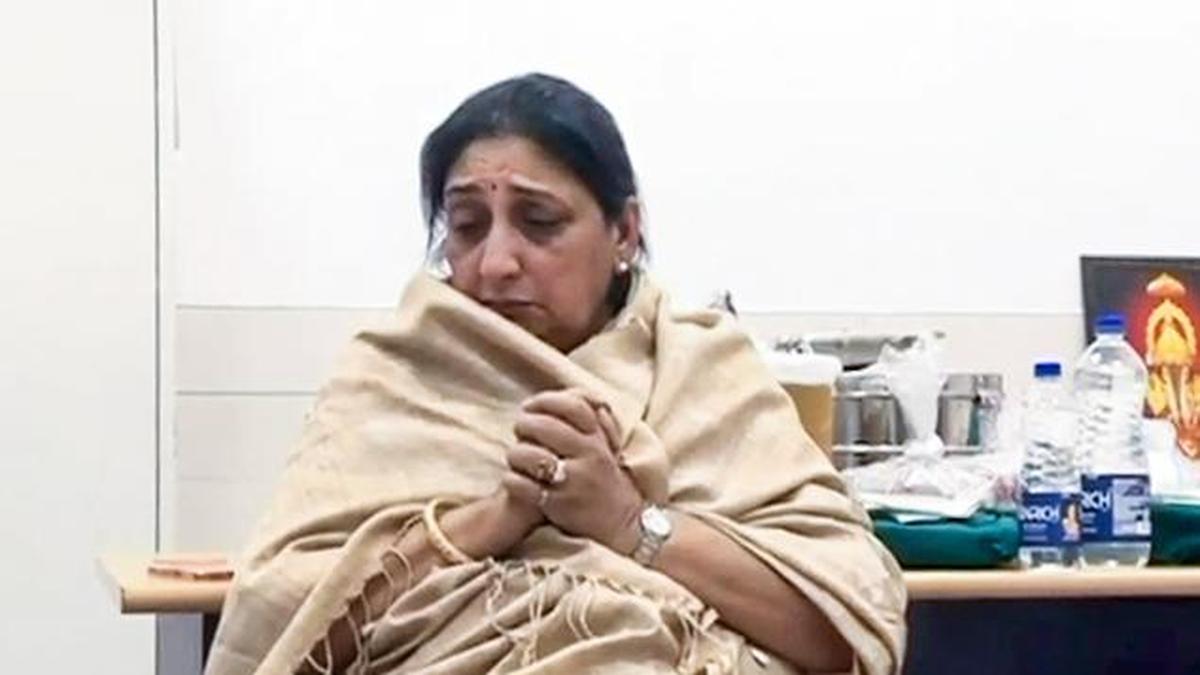
-
What happened: Rajya Sabha MP Sunetra Pawar arrived in Mumbai ahead of her swearing-in as Maharashtra Deputy Chief Minister.
-
Why it matters: She is poised to become the first woman Deputy CM in Maharashtra’s history, following the death of her husband Ajit Pawar.
-
What changes for people: The NCP leadership is expected to remain intact, but the transition signals a new phase of power alignment within the ruling coalition.
-
Who is affected: Maharashtra’s political establishment, NCP legislators, coalition partners, and voters watching the stability of the state government.
Powerful lead
In the early hours of Saturday, Sunetra Pawar arrived quietly in Mumbai. By evening, she is expected to make history—stepping into one of the state’s highest offices amid grief, urgency, and political calculation.
What happened
Sunetra Pawar reached Mumbai on January 31, 2026, ahead of her formal induction as Deputy Chief Minister of Maharashtra, replacing her late husband, Ajit Pawar, who died in a fatal plane crash earlier this week.
-
She arrived at Devgiri, Ajit Pawar’s official residence in south Mumbai
-
She was accompanied by her son, Parth Pawar
-
The move comes just days after Ajit Pawar’s death in Baramati, Pune district
How the decision will unfold
The Nationalist Congress Party (NCP) has lined up a tightly scheduled transition.
-
NCP legislators will meet at Vidhan Bhavan around 2 pm
-
Sunetra Pawar will be named leader of the legislature wing
-
A low-key oath ceremony is expected at Lok Bhavan at 5 pm
With this, Sunetra Pawar is set to become the first woman to hold the Deputy CM post in Maharashtra.
Political status and succession questions
At 62, Sunetra Pawar currently:
-
Is not a member of the Maharashtra Legislative Assembly or Council
-
Holds a Rajya Sabha seat as an NCP member
Speculation is rife that her son Parth Pawar may be nominated to replace her in the Rajya Sabha if she assumes executive office.
Reactions from key leaders
The appointment has drawn mixed reactions across political lines.
-
Sharad Pawar said he was unaware of the decision and questioned the urgency:
-
He stated he had “no clarity on the reasons behind the hasty appointment.”
-
-
Chief Minister Devendra Fadnavis struck a supportive tone:
-
“The NCP will take whatever decision it has to take for the post of deputy chief minister, and we will support it.”
-
The ruling coalition has publicly closed ranks around the Pawar family and the NCP.
A political journey shaped by Baramati
Sunetra Pawar entered the national spotlight during the 2024 Lok Sabha elections, contesting from Baramati against her sister-in-law Supriya Sule of the NCP (SP).
-
She lost the high-profile contest
-
She was later elected to the Rajya Sabha, keeping her politically active
Her elevation now marks a dramatic turnaround—from electoral defeat to constitutional authority.
Why it matters now
This appointment is significant on multiple fronts:
-
Historic: First woman Deputy CM in Maharashtra
-
Symbolic: A leadership transition amid personal tragedy
-
Strategic: Ensures continuity within the NCP and the state government
It also raises questions about dynastic politics, internal party consensus, and long-term succession planning.
Bottom line
Sunetra Pawar’s imminent swearing-in blends history, grief, and realpolitik. As Maharashtra watches its first woman Deputy Chief Minister take office, the move underscores how power transitions in Indian politics often arrive not just through elections—but through moments of crisis.