
Study Finds Possible Link Between Low Antioxidant Intake and Higher Oxidative Stress in Rosacea Patients
What happened: A new study examined the connection between dietary antioxidant intake and oxidative stress in people with rosacea. Why it matters now: Rosacea affects...
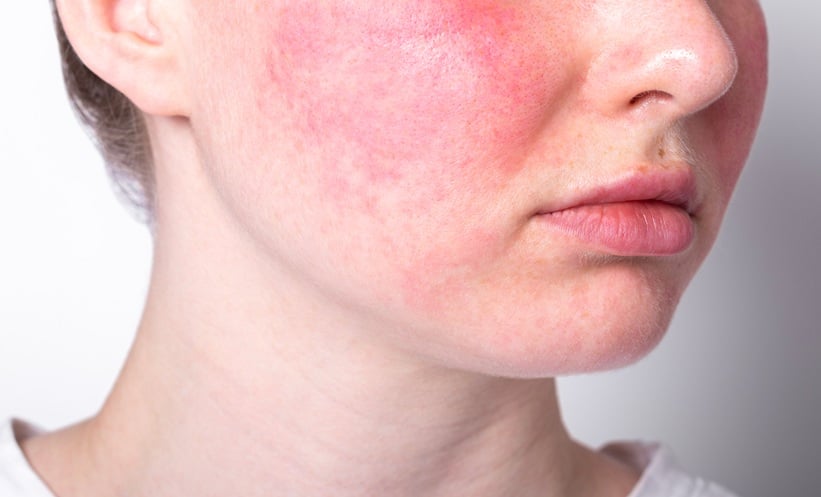
What happened: A new study examined the connection between dietary antioxidant intake and oxidative stress in people with rosacea.
Why it matters now: Rosacea affects millions worldwide, yet its biological triggers are still not fully understood.
What changes for people: The findings suggest that diet quality may influence inflammation and symptom severity.
Who is affected: Rosacea patients, dermatologists, and researchers studying chronic inflammatory skin conditions.
New insight into a common skin condition
Researchers have explored how dietary antioxidants may influence oxidative stress levels in people living with rosacea, a chronic skin condition marked by facial redness, pustules, and visible blood vessels. The study focuses on whether everyday nutrition could be linked to biological processes that worsen symptoms.
Why oxidative stress matters in rosacea
Oxidative stress occurs when the body produces more free radicals than it can neutralize with antioxidants. This imbalance can trigger:
Inflammation
Damage to skin cells
Worsening of chronic conditions
Scientists believe oxidative stress may play a key role in rosacea progression, making it a critical area of investigation.
What the study examined
The researchers:
Analyzed dietary patterns of participants with rosacea
Assessed antioxidant intake levels from food
Measured systemic oxidative stress markers in the body
The goal was to determine whether lower antioxidant consumption is associated with higher oxidative stress.
Key findings explained
The study found that individuals with rosacea who had reduced dietary antioxidant capacity tended to show elevated markers of oxidative stress. This suggests a potential biological link between nutrition and the internal processes that may drive rosacea symptoms.
However, researchers stressed that the findings show association, not causation.
What this could mean for patients
While the study does not claim that diet alone causes or cures rosacea, it points toward nutrition as a possible modifiable factor. Dermatology experts say this supports a broader view of rosacea as a condition influenced by:
Skin barrier health
Immune response
Lifestyle and diet
Any dietary changes should be guided by medical professionals, especially since rosacea triggers can vary widely between individuals.
Why more research is needed
The authors note that further studies are required to:
Understand how antioxidants affect rosacea severity
Identify specific nutrients that may be most protective
Explore whether dietary interventions can complement medical treatment
What to watch next
Larger clinical studies on diet-based rosacea management
Research on specific antioxidants and skin inflammation
Updated dietary guidance for people with chronic inflammatory skin conditions