
SSLC syllabus cut won’t touch core portions, Kerala Education Minister assures
What happened: Kerala will reduce the Class 10 (SSLC) syllabus by 25%, but core textbook portions will remain intact. Why it matters: The clarification addresses...
-
What happened: Kerala will reduce the Class 10 (SSLC) syllabus by 25%, but core textbook portions will remain intact.
-
Why it matters: The clarification addresses fears of academic dilution while responding to student stress and workload concerns.
-
What changes for people: Students may see less repetition and lighter exam pressure, without losing essential concepts.
-
Who is affected: SSLC students, parents, teachers, curriculum planners, and state-run schools in Kerala.
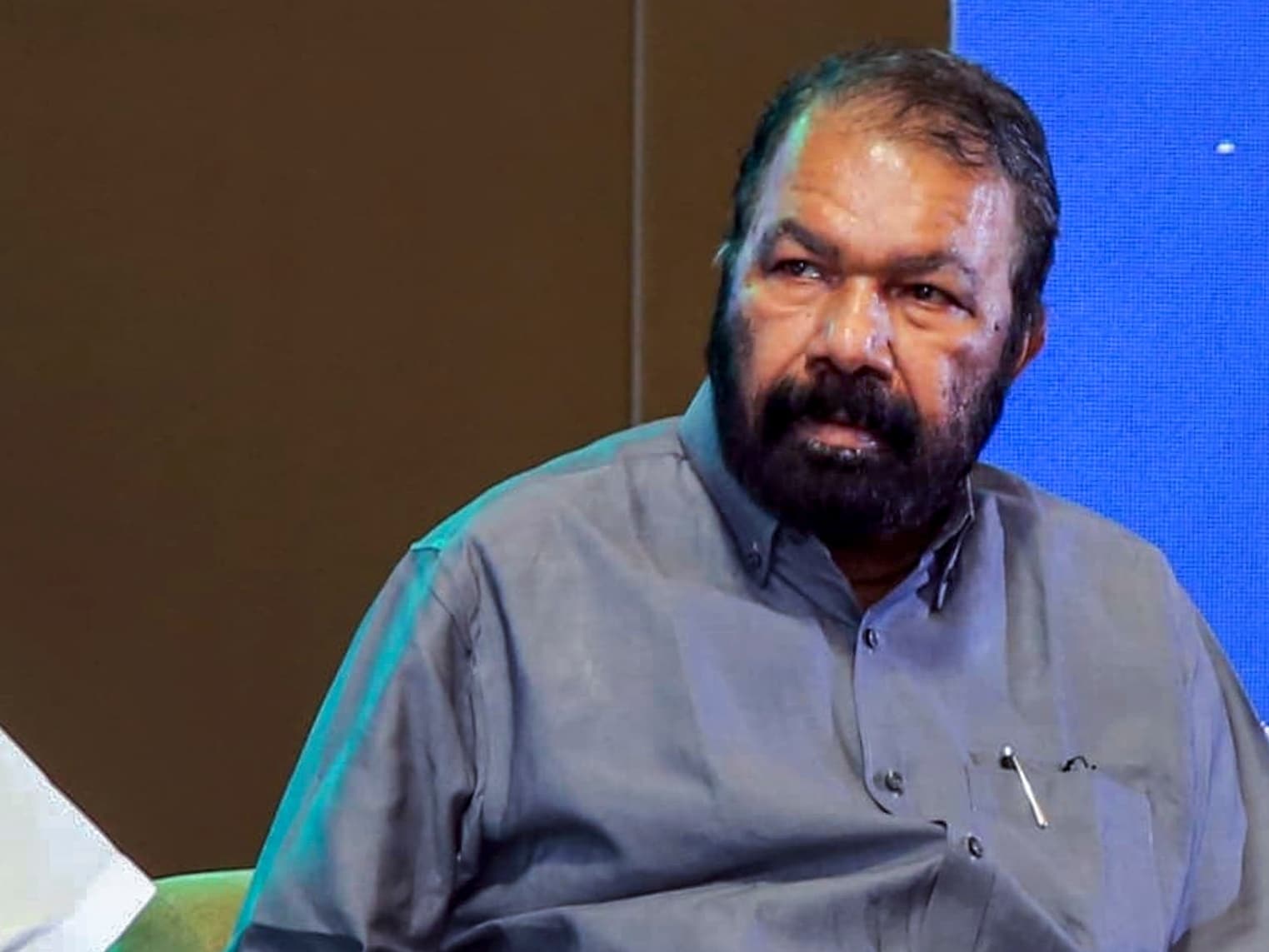
Amid rising anxiety over syllabus cuts, the Kerala government has drawn a clear red line. While the Class 10 syllabus will be trimmed by 25%, core and essential textbook portions will not be removed, General Education Minister V Sivankutty said on Sunday.
What the minister clarified
Responding to concerns from parents and educators, Sivankutty said fears of academic dilution were misplaced.
-
The reduction will avoid repetition, not remove fundamentals
-
Content will remain age-appropriate and concept-focused
-
Changes will be made only after scientific review
“Reducing content load does not mean removing core or essential portions,” the minister said, emphasising that expert committees will guide the process.
Why Kerala is cutting the syllabus
The decision follows repeated feedback from students about heavy academic workload and exam stress.
-
The State Curriculum Committee has already approved the 25% reduction
-
The basic structure of textbooks will remain unchanged
-
Stress reduction at the SSLC level is a key policy objective
Officials say the move reflects a shift from content-heavy learning to conceptual clarity and student well-being.
When and how changes will apply
The revised syllabus is expected to come into effect from the next academic year.
-
Expert panels of teachers and educationists will review topics
-
Overlapping and repetitive sections will be pruned
-
Core learning outcomes will be preserved
The approach, the minister said, will also guide future SSLC syllabus reviews.
Context: A humane moment behind the announcement
The clarification came a day after the minister announced the syllabus cut at a public function in Thevalakkara, Kollam district.
The event marked the handover of a newly built house to the family of Mithun, a student who died after being electrocuted at Thevalakkara Boys High School last year.
-
The house was built by the Kerala State Bharat Scouts and Guides
-
Completed in six months at a cost of ₹20 lakh
-
No money was collected from students
Sivankutty called it a reminder of society’s collective responsibility toward children.
Beyond textbooks: Bigger classroom reforms coming
The syllabus change is part of a broader overhaul of Kerala’s school environment.
The General Education Department has approved draft proposals to:
-
Reduce school bag weight
-
Create classrooms without ‘backbenchers’
-
Improve participation and inclusivity
The reforms were prepared by the State Council of Educational Research and Training (SCERT) and cleared by the State Curriculum Steering Committee.
The aim: to “democratise classrooms” and make schools more child-friendly.
What happens next
The government will now:
-
Seek public feedback on proposed reforms
-
Finalise guidelines before the new academic year
-
Roll out changes across state-run schools
“These steps are meant to ensure the happiness of children,” Sivankutty said, stressing that learning environments must be inclusive, participatory, and stress-aware.