
Spain Records First Local Human-to-Human Transmission of Mpox Clade 1b Outside Africa
Health authorities in Spain have confirmed the world’s first documented case of human-to-human transmission of mpox clade 1b occurring outside Africa without any travel link...
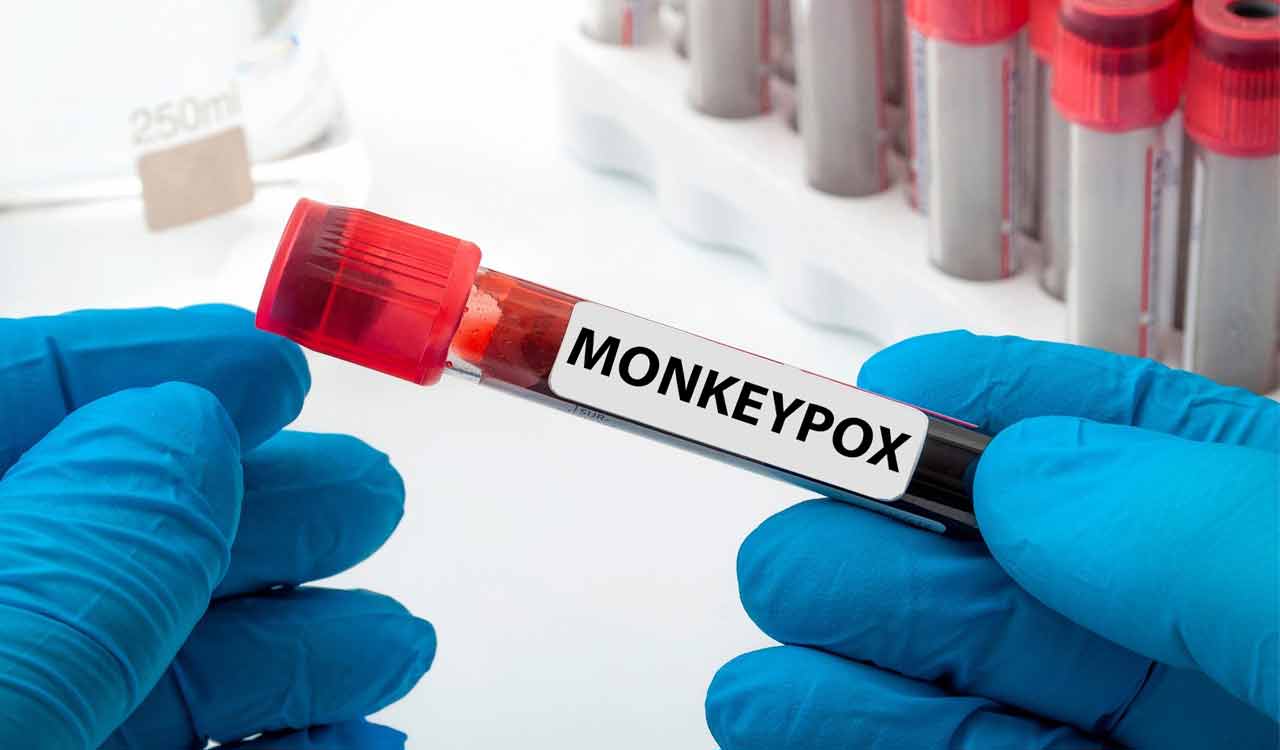
Health authorities in Spain have confirmed the world’s first documented case of human-to-human transmission of mpox clade 1b occurring outside Africa without any travel link to endemic regions—a development that is prompting renewed global vigilance over the virus’s evolving spread.
The case, detailed in the International Journal of Infectious Diseases and reported by Spanish public health officials, marks a significant shift in the epidemiology of a strain previously confined to Africa or linked to international travel.
What Makes This Case Unprecedented
The patient, a 49-year-old man from Madrid, had no recent travel history and no known contact with individuals who had travelled to regions where mpox clade 1b is endemic. This distinguishes the case from all previous detections of the strain outside Africa.
According to the published report, the patient sought medical care on October 10 after developing a single genital ulcer and painful swelling of lymph nodes in the groin. He disclosed recent sexual contact with two local partners, neither of whom had travelled abroad.
After clinicians ruled out other sexually transmitted infections, laboratory testing confirmed mpox clade 1b through a polymerase chain reaction (PCR) test conducted on the lesion.
“This is, to our knowledge, the first reported case of mpox clade 1b without any epidemiological link to Africa—either through travel or contact with a traveller,” said lead author Dr. Jorge-Alfredo Pérez-García of Centro Sanitario Sandoval and Hospital Clínico San Carlos in Madrid.
Vaccinated, Yet Infected
Notably, the patient had already received two doses of the Imvanex smallpox/mpox vaccine, underscoring that while vaccination significantly reduces the risk of severe disease, it does not guarantee complete protection against infection—particularly with highly transmissible variants.
Health officials emphasized that the patient’s symptoms were relatively limited, a factor they say may reflect partial vaccine protection.
Background: What Is Mpox Clade 1b?
Mpox is a viral disease transmitted mainly through close physical contact, including skin-to-skin and intimate contact. Symptoms typically include fever, swollen lymph nodes, muscle aches, and a characteristic rash or lesions.
Clade 1b is considered more transmissible than other known variants. It emerged prominently during a 2023 outbreak in the Democratic Republic of the Congo, where sustained community transmission has continued in several African countries.
Before this Spanish case, all reported infections outside Africa were linked to:
-
Recent travel to endemic regions, or
-
Direct contact with someone who had travelled to those areas
Spain had previously recorded only one clade 1b case, involving a traveller returning from Tanzania, with no epidemiological connection to the new case.
Public Health Implications
Epidemiologists say this case suggests the possibility of undetected local transmission chains, even in countries with strong surveillance systems. While there is no evidence of widespread community spread in Spain at this stage, the finding raises concerns about silent transmission in high-contact networks.
Public health experts stress that early detection, rapid contact tracing, and targeted vaccination strategies remain critical to preventing larger outbreaks.
Spanish health authorities, echoing guidance from the World Health Organization (WHO), have urged heightened awareness among healthcare providers and communities previously shown to be at higher risk during the global mpox outbreaks since 2022.
Who Is Most at Risk
Officials highlighted the importance of preventive measures for populations that have been disproportionately affected in past outbreaks, including:
-
People living with HIV
-
Men who have sex with men
-
Individuals with multiple sexual partners
Clear communication, stigma-free healthcare access, and prompt testing are key to limiting further spread, experts say.
Global Situation
According to the WHO’s latest update, 2,501 new confirmed mpox cases, including 12 deaths, were reported across 44 countries in October alone. While most cases globally are not clade 1b, health agencies are closely monitoring its spread due to its higher transmissibility.
What Comes Next
Spanish health authorities are continuing contact tracing and genomic surveillance to determine whether additional undetected cases exist. International health agencies are also expected to reassess risk assessments and preparedness plans in light of this development.
While officials caution against panic, they acknowledge that this case signals a new phase in the global management of mpox—one where geography alone can no longer be relied upon as a risk indicator.