
Smog's Silent Threat to Children's Developing Lungs
Doctors warn that repeated exposure to smog during childhood can permanently impact lung development and breathing capacity, extending well into adulthood.
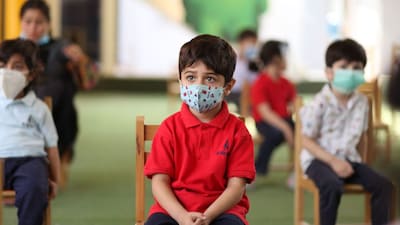
The Cliff News | 26 October 2026
As the familiar haze of smog blankets urban skies once again, the immediate distress of coughing, sneezing, and breathlessness in children is a visible concern for parents. However, medical experts are sounding a critical alarm: the long-term consequences of air pollution on young lungs are far more profound and can inflict lasting damage during the crucial years of development.
Children's daily routines, from commuting to school through congested traffic and waiting at busy intersections to engaging in outdoor play, expose them to polluted air at multiple junctures. Even when they appear healthy, the cumulative effect of inhaling harmful pollutants can subtly but significantly compromise their respiratory health over time.
Children's Vulnerability to Smog Explained
The notion that children are simply small adults regarding respiratory health is a dangerous misconception. Their lungs and airways are in a continuous state of growth, and their breathing patterns, coupled with their higher activity levels, mean they can inhale a disproportionately larger dose of pollutants relative to their body mass.
Dr. A Jayachandra, Clinical Director and Senior Interventional Pulmonologist at CARE Hospitals, Banjara Hills, Hyderabad, emphasizes this developmental aspect. “As their lungs are still developing, regular exposure to harmful pollutants can affect lung growth and breathing capacity. These effects may not be immediately noticeable but can continue into adulthood," he states.
Dr. Akshay Budhraja, Senior Consultant and Head of Respiratory and Sleep Medicine at Aakash Healthcare Superspeciality Hospital, observes a recurring pattern each smog season. “When the air turns heavy each season, we see the same pattern — parents arriving with children who have been coughing for weeks. Many families do not realise that a child’s lungs are not simply smaller versions of an adult’s. They are still growing, and that growth continues well into the late teens. Every breath of polluted air during these years can affect how well the lungs develop.”
The Impact of Narrower Airways
Compounding the vulnerability is the fact that children possess narrower airways. Even minor inflammation, a common consequence of inhaling pollutants, can lead to significant breathing difficulties, especially for those with pre-existing respiratory conditions.
Dr. Shipra Jaiswal, a paediatrician at Rama Hospital, highlights this heightened susceptibility. “Children are especially vulnerable because their bodies are still developing. Exposure to dust, smoke and harmful gases can irritate their airways, trigger swelling and make breathing harder.”
Children attending schools near major roadways, those who spend considerable time outdoors, or families residing in areas with persistently poor air quality are at higher risk of repeated exposure. The impact is particularly severe for children already managing conditions such as asthma.
Understanding PM2.5's Detrimental Effects
A primary culprit in severe air pollution events is PM2.5, or fine particulate matter measuring 2.5 micrometres or less in diameter. These microscopic particles are insidious, capable of penetrating deep into the respiratory system, where they incite irritation and inflammation.
Dr. Jayachandra elaborates on the pervasive nature of these particles. “Fine particles found in vehicle exhaust and smoke can travel deep into the lungs. Repeated exposure may increase the risk of respiratory symptoms, including coughing, wheezing and asthma.”
Dr. Budhraja warns that the damage inflicted by smog transcends immediate discomfort. “Over time, repeated exposure can lead to frequent coughs and colds, wheezing, and a higher risk of asthma. It may also leave children with lungs that never reach their full capacity, a deficit that can stay with them into adulthood."
Echoing these concerns, Dr. Jaiswal reiterates the interference of pollutants with respiratory development. “I have watched children breathing air pollution cough a lot, wheeze, get lung infections, and see asthma get worse," she reports, underscoring the visible and often severe consequences observed in her practice.