
Skywatchers’ Guide: Key Astronomical Events in October 2025
The Andromeda Galaxy, our neighboring galaxy, will be visible to the naked eye under dark skies around midnight on October 2. While binoculars or a...
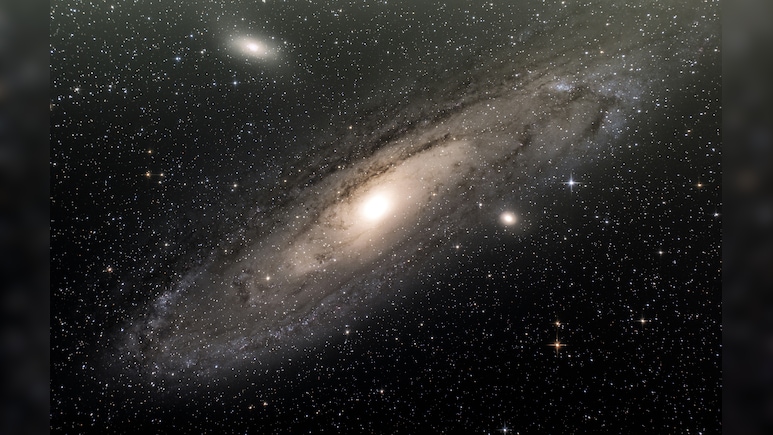
The Andromeda Galaxy, our neighboring galaxy, will be visible to the naked eye under dark skies around midnight on October 2. While binoculars or a telescope are recommended for a clearer view, it can be spotted without any equipment in areas far from city lights.
The dwarf planet Ceres, the largest object in the Asteroid Belt, will also shine brightly in the constellation Cetus around midnight, offering another exciting sight for amateur astronomers.
Moon Near Saturn and Neptune
October is an excellent month to observe Saturn, which can be tracked moving east to west across the night sky day by day. On the night of October 5-6, the nearly full Moon will pass close to Saturn, with the two celestial bodies about 3.33 degrees apart. Neptune will also be nearby, though binoculars or a telescope will be required to view it clearly.
The Harvest Moon
The full Moon, known as the Super Harvest Moon, will rise on October 6 at its closest approach to Earth, or perigee, appearing larger and brighter than usual. It will reach its full phase at 03:48 GMT on October 7, rising just after sunset and casting a warm, golden glow across the landscape.
Draconid Meteor Shower
The Draconid meteor shower will peak around October 8, as Earth passes through the debris trail of Comet 21P/Giacobini-Zinner between October 6 and 10. Moonlight may slightly hinder visibility, but observers in dark locations may still catch a few streaks across the sky.
Moon Near the Pleiades Star Cluster
On October 10, the Moon will pass near the Pleiades star cluster, also known as the Seven Sisters or Messier 45, located about 444 light-years from Earth. The Moon and the cluster will be less than one degree apart, creating a beautiful skywatching opportunity. Though the cluster contains more than 1,000 stars, only six are typically visible to the naked eye.
Triangulum Galaxy (M33)
The Triangulum Galaxy will be observable on October 15, potentially visible without aid in very dark skies. However, a telescope or binoculars are recommended to appreciate its tidy spiral structure.
Moon Near Venus; Mercury Near Mars
On October 19, the Moon will appear near Venus in the pre-dawn sky, with less than four degrees separating them. Mercury will also be visible close to Mars, offering an attractive planetary alignment for early risers.
October promises a rich calendar of astronomical events, from galaxies and planets to meteor showers and full moons, making it an exciting month for skywatchers.