
Safe Travel on Highways at Night: Adopt These Seven Important Tips
Drivers are advised to follow seven crucial rules for safe night travel on highways, emphasizing visibility, alertness, and responsible driving.
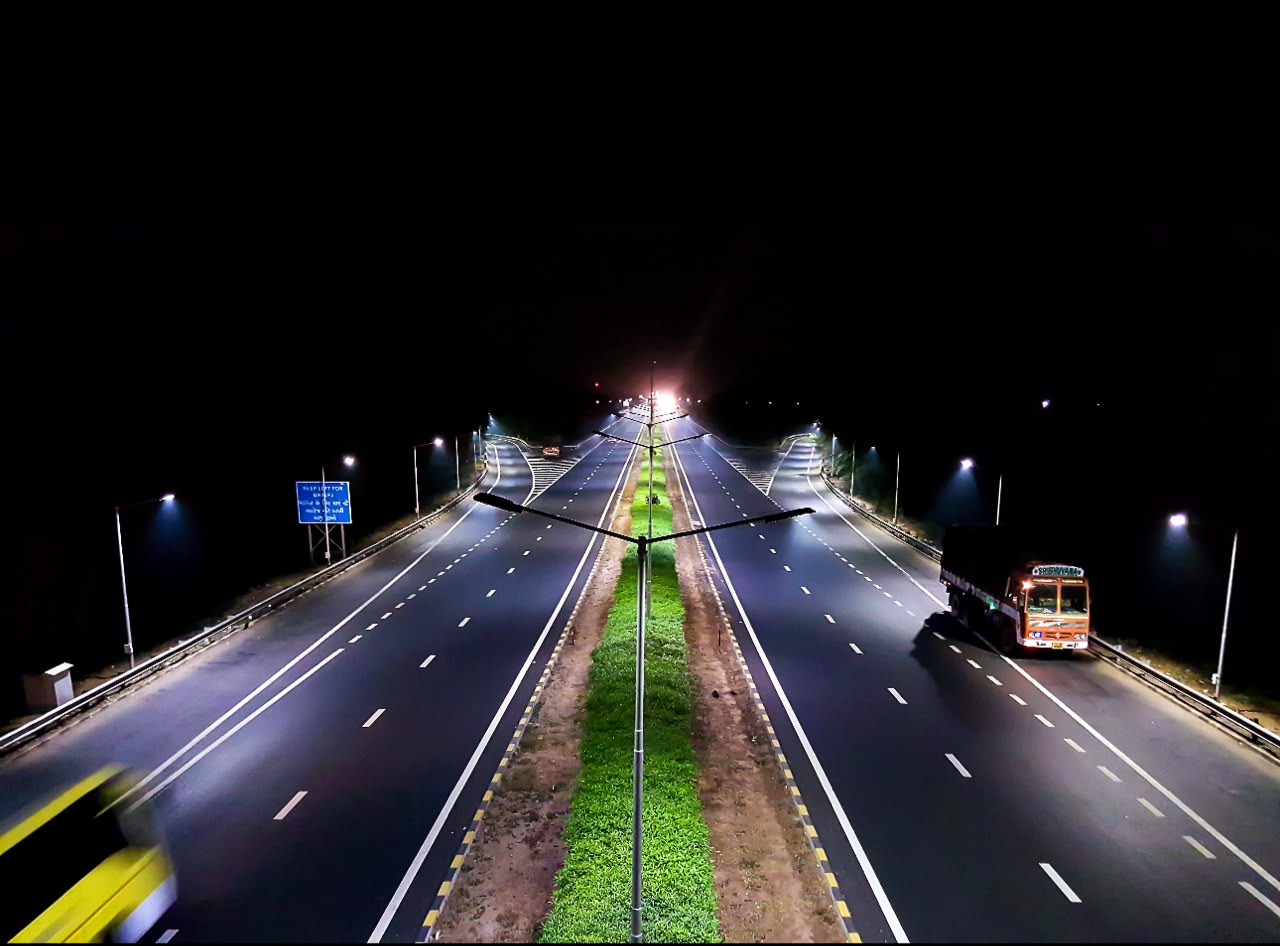
Indore | आशीष नेमा
Navigating the Night: Safety on Highways Amidst Silence
Despite the silence and reduced traffic on highways at night, this tranquility can often lead to complacency. Reduced visibility in the dark, increasing fatigue, and slower reaction times mean even a minor lapse can result in major accidents.
Ensuring Safe Journeys on Routes like Indore to Dewas
To ensure safe travel on highways such as Indore to Dewas, vehicle drivers are advised to adhere to seven basic rules. The most crucial is to keep the vehicle's speed within the range of the headlights' illumination.
This allows for timely braking upon encountering unexpected turns or stationary vehicles on the road. Additionally, regular cleaning of the windshield and mirrors is essential, as dust can scatter light and impair visibility.
Adhering to Speed Limits is Prudent
Increasing speed upon seeing an empty road is not wise; adhering to the prescribed speed limit is the safest approach. Empty roads can create a false sense of security, but maintaining a controlled speed is paramount.
Combating Fatigue and Maintaining Alertness
Fatigue can be a significant hazard during long journeys. If the driver feels drowsy, their eyes are heavy, or the vehicle is drifting from its lane, it is best to give up the stubbornness and stop.
Stopping the vehicle every two hours or after approximately 100 to 150 kilometers, taking a short walk, and splashing water on the face helps in regaining freshness. This simple break can significantly improve alertness.
The Importance of Headlight Usage and Lane Discipline
Proper use of headlights is also an integral part of safety. Use the low beam for oncoming vehicles to avoid discomfort to the other driver. Adhering to lane discipline also ensures safety.
Slow-moving vehicles should stay in the left lane, and the use of indicators is mandatory when overtaking. Proper lane discipline prevents confusion and potential accidents.
Handling Emergencies and the Role of Road Markers
If the vehicle has to be stopped due to a technical fault, it should be moved as far away from the main carriageway as possible, and hazard lights should be kept on. Reflective signboards and road studs act as silent guides during night journeys, and their neglect can be dangerous.
Even better safety features on modern highways are only effective when drivers themselves are alert and responsible. Prioritizing wisdom over speed for a safe journey is the best option.