
Pentagon Cuts Ties With Harvard, Ends Military Training Programs Amid ‘Woke’ Row
The US Defence Department has halted fellowships and training with Harvard University, escalating a political standoff over education reforms and military priorities. What happened: The...
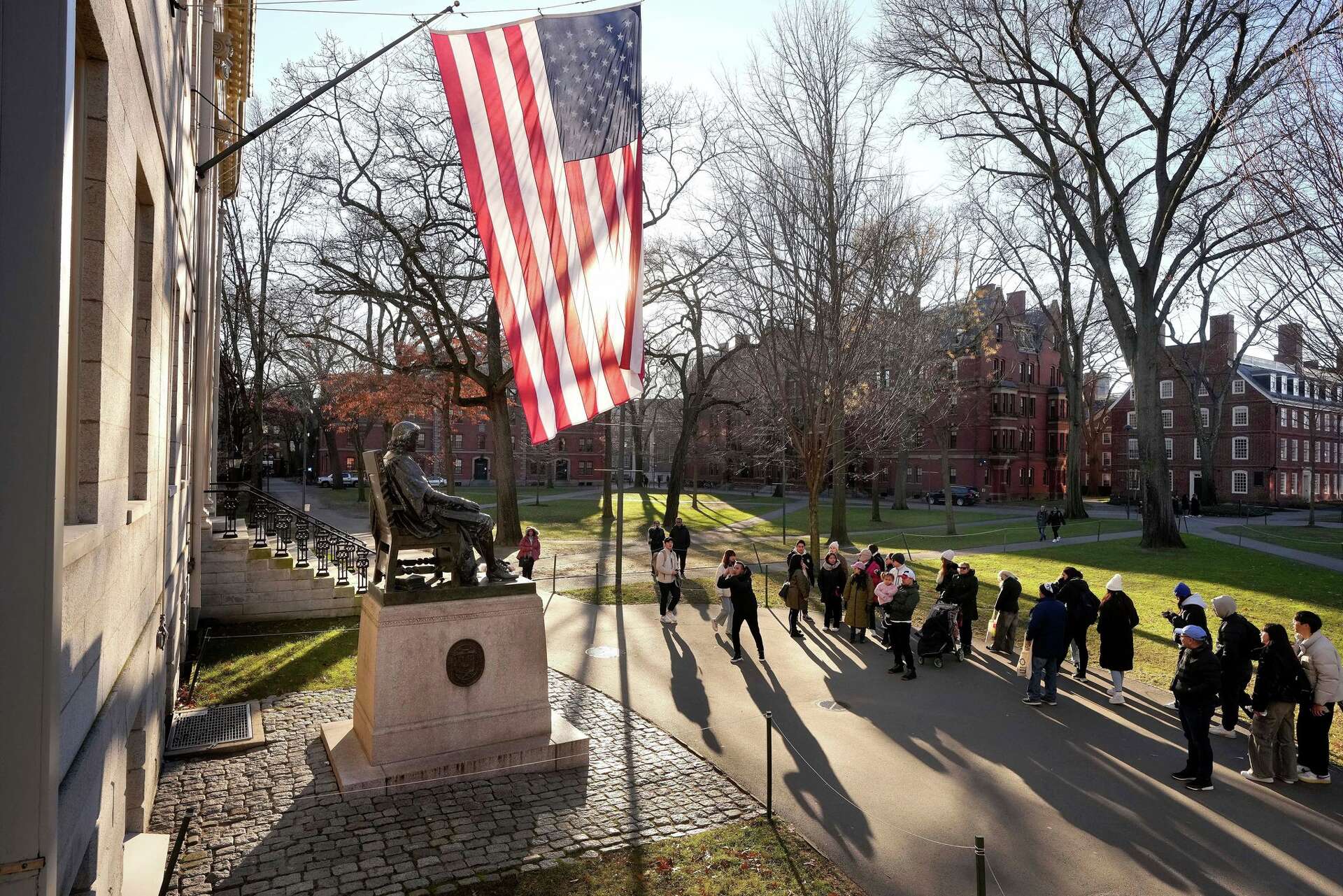
The US Defence Department has halted fellowships and training with Harvard University, escalating a political standoff over education reforms and military priorities.
What happened:
-
The Pentagon announced it will end all military training, fellowships, and certificate programmes with Harvard University, citing concerns that the institution no longer meets defence needs.
Why it matters now:
-
The decision deepens tensions between the Trump administration and elite universities, signalling a shift in how the US military engages with academic institutions.
What changes for people:
-
Military officers who previously attended Harvard-linked programmes may see training pathways shift toward alternative universities or defence-run institutions.
Who is affected:
-
US military personnel, academic institutions, international students, and policymakers tracking political influence on higher education.
Pentagon moves to sever long-standing academic ties
In a major policy shift, the US Defence Department confirmed it is ending its partnership with Harvard University, cutting off military fellowships and training programmes that have historically allowed officers to pursue advanced education.
Defence Secretary Pete Hegseth said the university “no longer meets the needs” of the military, marking one of the most direct breaks between the Pentagon and an Ivy League institution in recent years.
The move is part of a broader clash between the Trump administration and Harvard over demands for institutional reforms.
The political backdrop behind the decision
The announcement comes amid a wider debate in the United States over ideology and academic culture. Administration officials have criticised elite universities for being overly “woke,” arguing that such environments may not align with defence priorities.
Supporters of the decision say the military must focus on institutions that better understand strategic and operational needs. Critics, however, warn that politicising military education risks undermining long-standing partnerships that helped develop senior leadership skills.
Key development: The Pentagon’s step ends decades of collaboration that allowed officers to pursue policy, leadership, and strategic studies at Harvard.
What changes for military training pathways
For years, Harvard hosted defence-related fellowships and executive education programmes attended by officers from across US military branches.
With the partnership discontinued:
-
Officers may be redirected to other universities or defence academies.
-
Fellowship pipelines tied to Harvard’s executive programmes could be restructured.
-
Alternative institutions may gain greater influence over future military leadership training.
Analysts say the shift could reshape how the Pentagon balances academic independence with strategic alignment.
Multiple perspectives: reform or retaliation?
Supporters within conservative policy circles argue that the move ensures taxpayer-funded military education aligns more closely with national security priorities.
Higher education advocates counter that cutting ties with prestigious academic institutions could limit exposure to diverse viewpoints and global policy expertise — elements historically seen as valuable for military leadership development.
Some analysts also question whether the decision reflects broader political messaging rather than purely operational concerns.
Global and diplomatic implications
The Pentagon’s decision may influence how other governments evaluate partnerships between military institutions and universities. International defence scholars often collaborate through such programmes, meaning changes could affect research exchanges and global security dialogues.
In the longer term, the move could also impact US higher education’s reputation abroad, especially if similar actions target other universities.