
Over 30,000 Pirated NCERT Textbooks Seized in Ghaziabad Raid
What happened: NCERT and Delhi Police’s Crime Branch seized around 32,000 pirated textbooks and printing equipment from a facility in Ghaziabad. Why it matters now:...
-
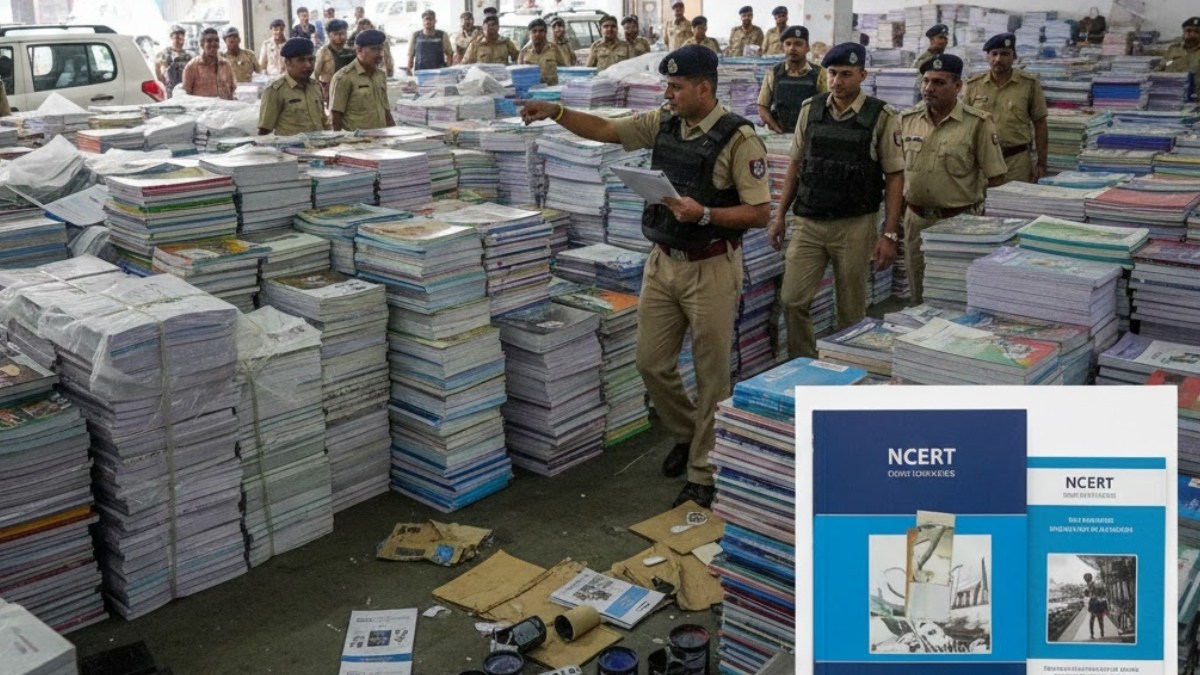
What happened: NCERT and Delhi Police’s Crime Branch seized around 32,000 pirated textbooks and printing equipment from a facility in Ghaziabad.
-
Why it matters now: Pirated educational materials undermine official curricula and compromise learning quality for students nationwide.
-
What changes for people: Students and schools can rely on authentic NCERT textbooks, ensuring accurate content and exam preparedness.
-
Who is affected: Students, teachers, parents, publishers, and authorities working to curb educational piracy.
The National Council of Educational Research and Training (NCERT), in coordination with the Delhi Police Crime Branch, has cracked down on the illegal printing of NCERT textbooks, seizing over 30,000 pirated books from a Ghaziabad facility. The operation underscores ongoing efforts to protect students and maintain the integrity of India’s education system.
Massive Seizure in Ghaziabad
The raid took place in Village Jawli, Loni, Ghaziabad (Uttar Pradesh) following intelligence inputs about unauthorized printing. Authorities recovered 32,000 textbooks covering multiple classes and subjects. Additionally, two printing machines, aluminium printing plates, paper rolls, and printing ink were confiscated, highlighting the scale of the illegal operation.
Protecting Education Standards
NCERT textbooks form the backbone of India’s school curriculum, especially for students preparing for board exams. Pirated editions can contain errors, outdated content, or missing chapters, risking academic performance and learning quality. By removing these counterfeit materials, officials are ensuring students have access to authentic and accurate educational content.
Experts on Combating Piracy
Education policy experts emphasize that combating textbook piracy is crucial for safeguarding student outcomes and intellectual property rights. Piracy not only affects learners but also impacts publishers and authors who invest time and resources into producing reliable study materials.