
New Blood Test May Detect Alzheimer’s Risk Decades Before Symptoms, Landmark Study Finds
A Simple Blood Test Could Change Alzheimer’s Detection Forever A new study has uncovered a potential game-changer in the fight against Alzheimer’s disease — a...
A Simple Blood Test Could Change Alzheimer’s Detection Forever
A new study has uncovered a potential game-changer in the fight against Alzheimer’s disease — a simple blood test that measures platelet activity in middle-aged adults could help detect the risk of developing the condition decades before symptoms appear.
The research, published in the journal Neurology, was co-led by scientists from The Glenn Biggs Institute for Alzheimer’s and Neurodegenerative Diseases at UT Health San Antonio and the New York University Grossman School of Medicine. The findings suggest that platelet clumping, or aggregation, in the blood is linked to the accumulation of amyloid and tau proteins in the brain — the two hallmark indicators of Alzheimer’s disease.
Why It Matters
Alzheimer’s disease (AD) is one of the most devastating neurological conditions, affecting more than seven million Americans, according to the Alzheimer’s Association. It gradually erodes memory, thinking ability, and independence, and remains a leading cause of death among older adults.
Most cases are diagnosed only after significant brain damage has occurred, limiting the effectiveness of available treatments. Early detection — especially during midlife — could open the door to preventive therapies and lifestyle changes that may delay or even prevent the disease from developing.
The Science Behind the Discovery
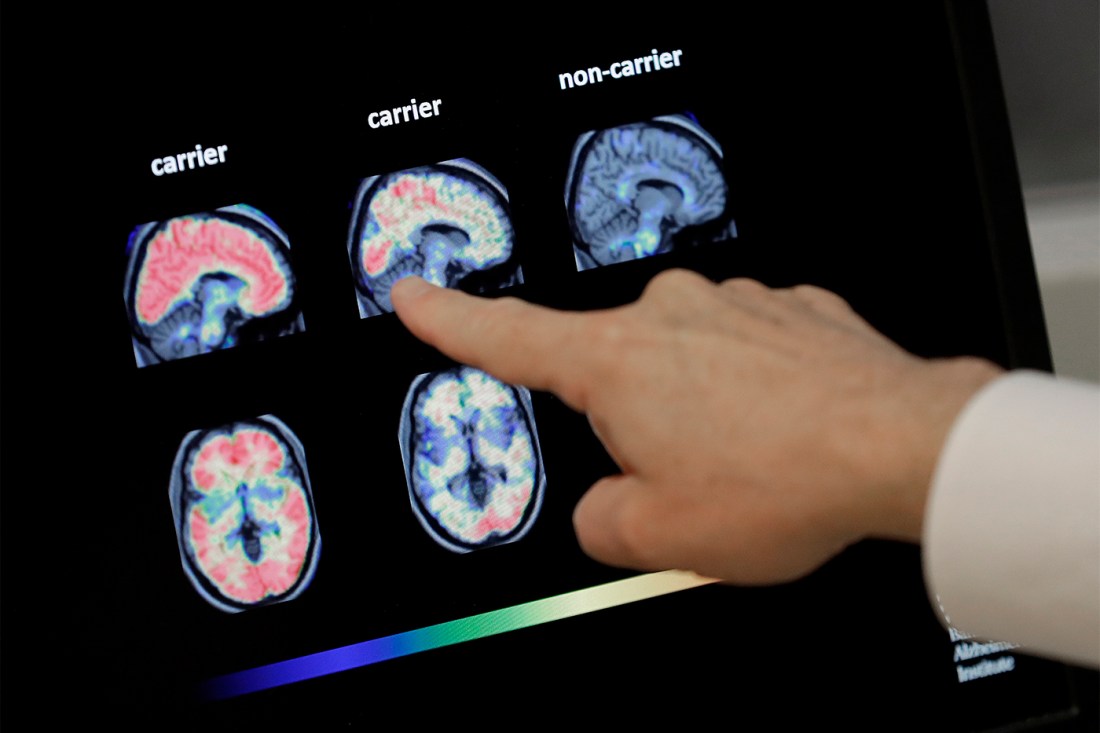
The study focused on 382 dementia-free participants from the long-term Framingham Heart Study, with an average age of 56. Using a specialized test known as light transmission aggregometry (LTA), researchers measured how strongly participants’ platelets clumped together. These results were compared with brain scans (PET-MRI) that revealed levels of amyloid and tau protein buildup.
The findings were striking: individuals whose platelets clumped more aggressively tended to have higher amounts of Alzheimer’s-related proteins in their brains.
Dr. Sudha Seshadri, professor of neurology and founding director of the Biggs Institute, explained that platelets — tiny blood cells responsible for clotting — might serve as accessible biomarkers for early Alzheimer’s risk. “Because platelets can be easily analyzed from blood samples, they could one day become part of routine midlife screenings to identify individuals at risk,” she said.
Understanding the Link: Platelets and the Brain
The study sheds light on a long-suspected but poorly understood connection between vascular dysfunction — problems with blood vessel health — and Alzheimer’s. Vascular dysfunction can arise from conditions such as diabetes, hypertension, smoking, or aging, and is known to worsen brain health.
Up to three-quarters of Alzheimer’s patients also exhibit vascular abnormalities, and about a quarter of older adults with vascular dementia show signs of amyloid pathology. This overlap suggests that blood vessel health and brain degeneration are deeply interconnected.
Dr. Jaime Ramos-Cejudo, assistant professor at NYU and lead author of the study, emphasized that platelet-driven inflammation may act as a “bridge” between vascular problems and neurodegeneration. “Clarifying this relationship could help us target new treatments that intervene years before memory loss begins,” he noted.
A Step Toward Prevention
Previous research from the Framingham study hinted that platelet activity in middle age could predict dementia risk decades later. The new findings strengthen that link, suggesting that platelet behavior may serve as one of the earliest biological warning signs of Alzheimer’s disease.
Alexa Beiser, professor of biostatistics at Boston University, who analyzed the data, said the relationship between platelet activity and brain protein buildup was most evident among people with lower baseline platelet activity — a discovery that highlights the complexity of the disease.
What Comes Next
While the study’s results are promising, researchers caution that further investigation is needed before the test can be used clinically. Large-scale trials and longitudinal studies will be required to confirm whether platelet testing can reliably predict Alzheimer’s risk across diverse populations.
If validated, this approach could reshape how doctors screen for dementia — shifting the focus from late-stage diagnosis to proactive, preventive care.
The Bigger Picture
The discovery underscores a growing shift in Alzheimer’s research toward early intervention. As drug developers continue to explore treatments that target amyloid and tau buildup, identifying those at risk earlier could make such therapies far more effective.
Experts say this study represents an important bridge between neurology and cardiovascular science — a reminder that brain health begins with blood health.