
NASA postpones Artemis II launch as rare Arctic weather hits Florida
A sudden blast of cold winds and unstable weather forces NASA to delay its first crewed Artemis mission; new target date set for February 8....
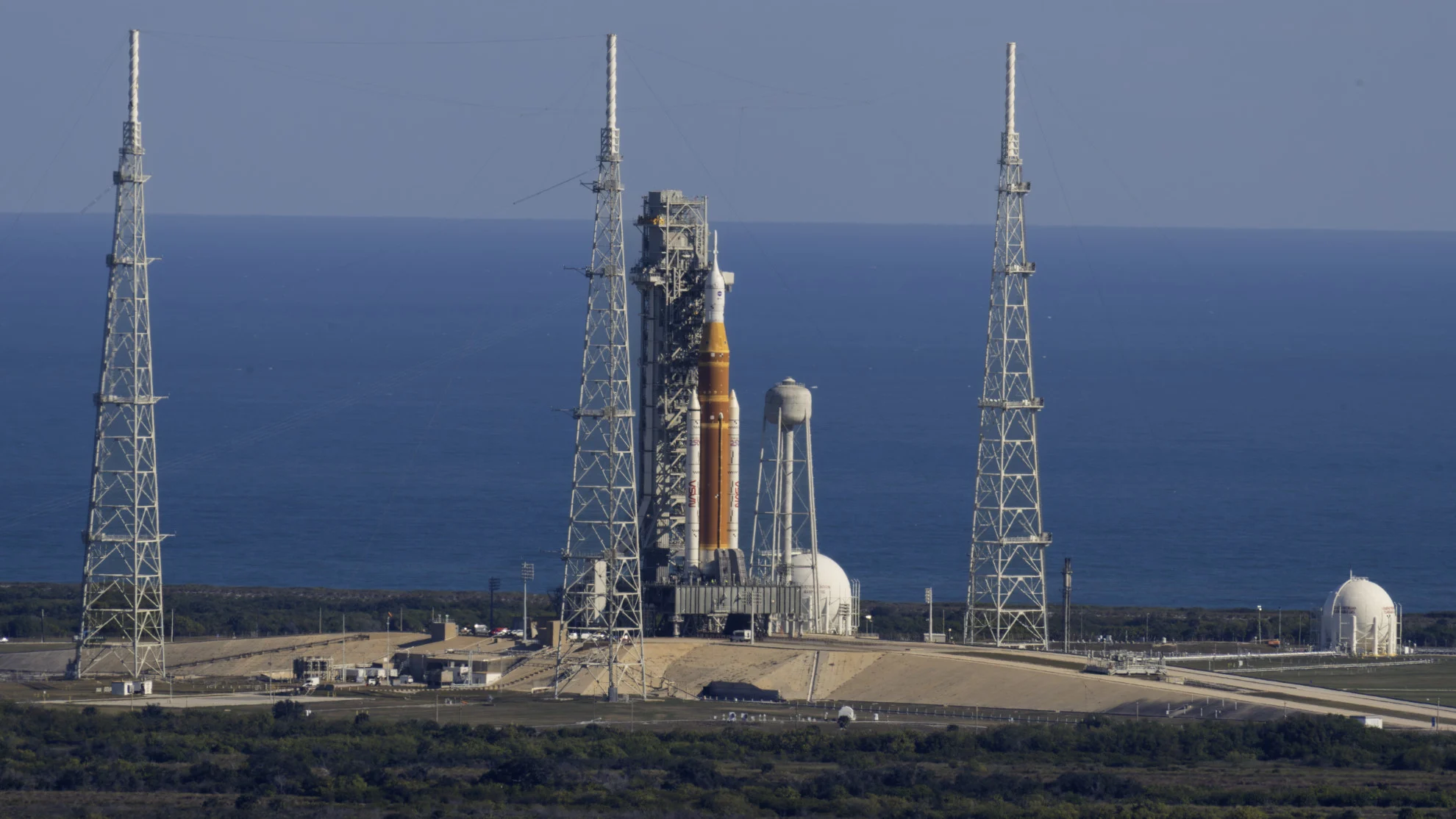
A sudden blast of cold winds and unstable weather forces NASA to delay its first crewed Artemis mission; new target date set for February 8.
What happened: NASA has postponed the launch of Artemis II due to severe weather conditions in Florida, pushing the mission from February 6 to February 8.
Why it matters now: Artemis II is the first crewed mission of NASA’s Moon program in more than 50 years, making any delay critical to safety.
What changes for people: The postponement shifts public viewing schedules, media coverage plans and logistics for thousands of observers expected along the Florida coast.
Who is affected: NASA teams, the four Artemis astronauts, spaceflight engineers, global livestream audiences, and Florida tourism spaces gearing up for launch day.
NASA pushes Artemis II launch to February 8 after severe weather review
NASA has officially delayed the launch of Artemis II, citing poor weather conditions sweeping across Florida as part of an unusual Arctic outbreak.
The mission, which was previously scheduled for February 6, will now lift off no earlier than February 8, pending further weather assessments and technical reviews.
In a statement, the agency confirmed that strong winds, rapidly dropping temperatures and unstable atmospheric patterns made it unsafe to proceed with launch preparations.
NASA officials emphasised that crew safety and launch vehicle integrity remain top priorities.
A rare Arctic outbreak disrupts Florida launch plans
Meteorologists have been tracking an uncommon Arctic cold front pushing deep into the U.S. Southeast, affecting even coastal Florida.
The region recorded:
strong upper-level winds
extreme cold for launch hardware
inconsistent humidity levels
ground gusts above safety limits
Such conditions can affect:
the Space Launch System (SLS) rocket’s hardware
fuel loading operations
structural stress limits
crew access procedures
NASA flight directors recommended postponement after a detailed risk assessment.
Wet dress rehearsal now set for February 2
NASA will conduct its wet dress rehearsal — a full launch simulation involving fueling operations — on February 2.
This test will help determine whether conditions and systems are stable enough for an early-February launch.
A final date will be confirmed shortly after the rehearsal.
Officials say the delay will not impact mission readiness or crew procedures.
What Artemis II aims to achieve
Artemis II is a 10-day crewed mission designed to send four astronauts on a journey around the Moon to test:
the Orion spacecraft,
life-support systems,
navigation controls, and
deep-space communication systems.
It will not include a lunar landing.
Instead, the mission serves as a crucial step toward Artemis III, which will land astronauts near the lunar south pole later in the decade.
NASA believes the Artemis II flight will validate the systems needed for safe human deep-space travel for the first time since the Apollo era.
Why the delay matters
While weather delays are common in spaceflight, this postponement underscores:
the vulnerability of launch operations to climate extremes
the importance of environmental stability for crewed missions
the increasing frequency of unusual weather events in the U.S.
Analysts say the setback is minor in the grand scheme of the Artemis timeline but highlights the importance of flexibility in mission planning.
Impact on Florida and public viewing
Florida’s Space Coast was expecting thousands of visitors, photographers and space enthusiasts for the February 6 launch.
With the schedule now shifting:
tourism traffic is being rescheduled
hotels and viewing areas are adjusting bookings
international coverage timelines are being updated
NASA has assured that livestream access and press briefings will be realigned with the updated launch window.