
Mumbai Slums: NCDs Surge, Healthcare Access Plummets, Study Reveals
Study reveals challenges in managing chronic diseases in Mumbai's urban informal settlements.
Top Summary
- What happened: A study highlights the rise of non-communicable diseases (NCDs) like hypertension and diabetes in Mumbai's urban informal settlements and the challenges residents face in accessing adequate care.
- Why it matters: The findings expose critical gaps in preventive care, diagnosis, and disease management, leading to delayed treatment and poorer health outcomes for vulnerable populations.
- What changes for people: The study emphasizes the need for integrated community-level interventions and policy changes to improve awareness, accessibility, and affordability of healthcare services in these settlements.
- Who is affected: Residents of urban informal settlements in the Mumbai Metropolitan Region (MMR), particularly those living with hypertension and diabetes, are directly impacted.
NCD Crisis Grips Mumbai Slums
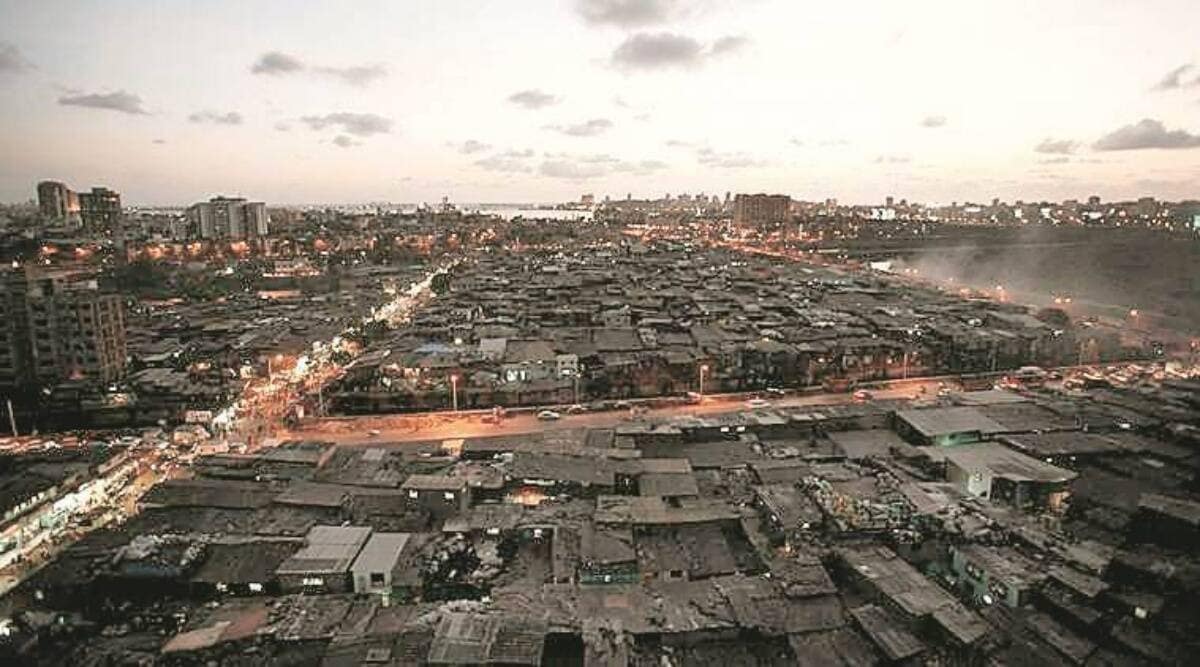
A recent study conducted by SNEHA (Society for Nutrition, Education and Health Action) reveals a concerning trend: a surge in non-communicable diseases (NCDs) like hypertension and diabetes within Mumbai's urban informal settlements.
The study, conducted in a Tier-II municipality with almost half of its 7 lakh population residing in these settlements, highlights significant challenges in accessing quality healthcare.
Preventive Care: A Missed Opportunity
The study found that preventive care is largely overlooked. Residents often don't perceive diseases like hypertension and diabetes as preventable.
"We are poor, we don’t have money to just go to do such (screening) tests without cause. Now we don’t have anything (symptoms) then why would we go for testing?"
This lack of awareness, coupled with the cost (INR 200–2000) and time involved in screening, leads to delayed diagnosis.
Diagnosis Delays and Fragmented Care
Many individuals consult multiple providers before accepting a diagnosis. Driven by the need for immediate relief, they often prioritize quick-fix pain relievers.
Local AYUSH (Ayurveda, Yoga and Naturopathy, Unani, Siddha and Homeopathy) practitioners are frequently the first point of contact, offering symptomatic treatment.
These practitioners, however, often lack the resources and training to effectively manage chronic conditions.
The High Cost of Managing Chronic Illness
Patients often adopt multiple strategies to manage their illness, weighing the cost of treatment against symptom severity.
They frequently oscillate between private providers based on affordability and accessibility, and may not trust the local public hospital.
Poor service quality, distance, lack of caregiving support, and unavailability of medicines deter many from accessing public healthcare.
Medication Adherence: A Major Hurdle
Medication adherence is often sporadic, with patients taking breaks or completely stopping their medications due to affordability issues and fluctuating disease severity.
Lifestyle changes, such as diet and exercise, are often neglected, either due to contextual limitations or a lack of medical advice.
One patient, diagnosed with hypertension, shared,
"I had a heart attack when I was at work... When I went outstation for four months, I stopped the medicine thinking I’m all right and I had another attack."
Integrated Solutions Needed
The findings underscore the urgent need for improved disease management and affordable healthcare services in vulnerable urban settlements.
An integrated approach, combining community-level action with policy-level changes in public health systems, is crucial.
Community health workers and peer educators can play a vital role in raising awareness about prevention, diagnosis, and treatment.
What to Watch Next
Future efforts should focus on strengthening primary healthcare services in urban informal settlements and promoting community-based screening programs. The success of these initiatives will depend on addressing the social and economic determinants of health, including poverty, lack of access to sanitation, and unfavorable working conditions.