
Microsoft's Project Silica: Data Storage in Glass Could Last 10,000 Years
Microsoft's Project Silica develops method to store data in glass for millennia.
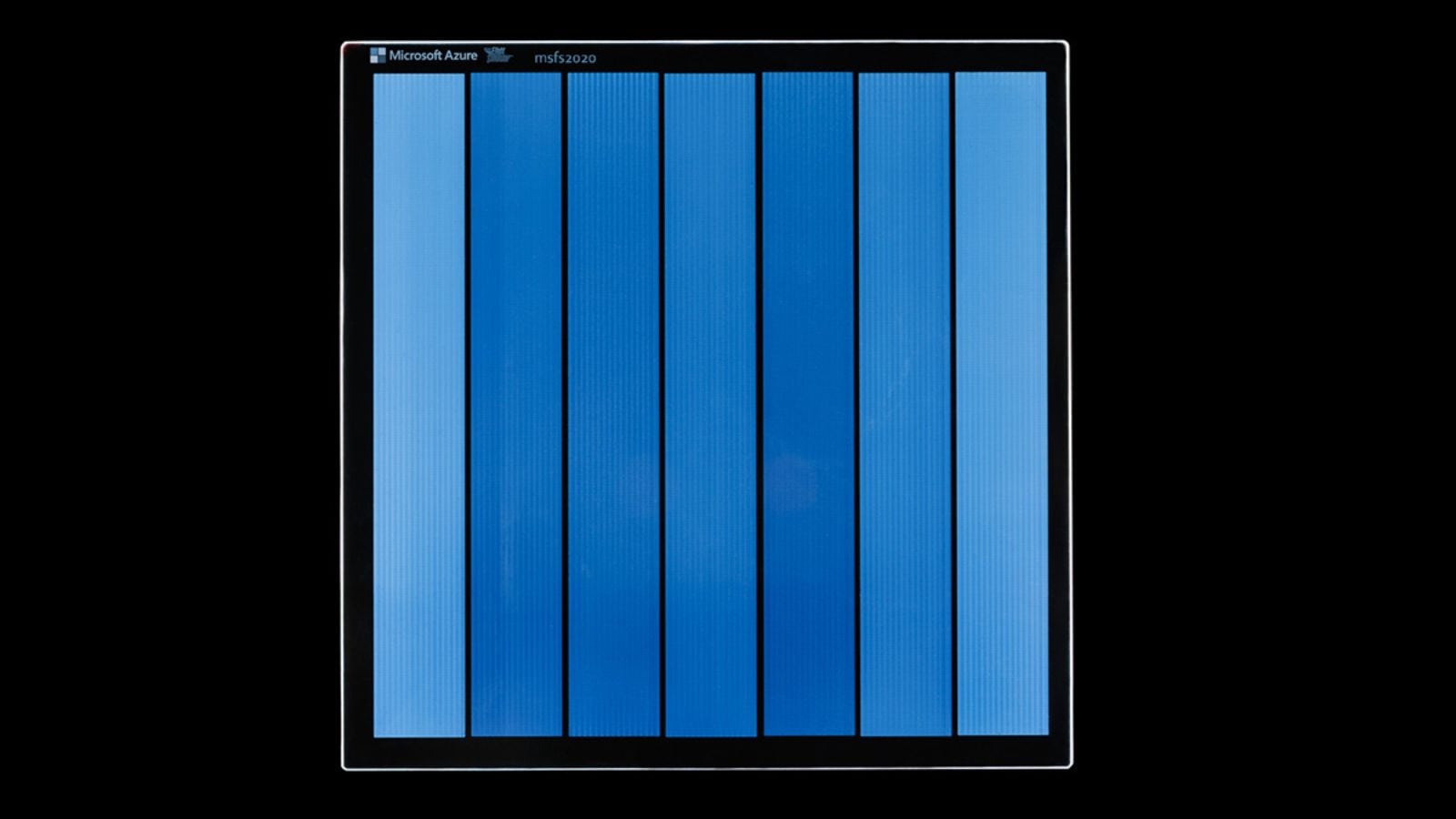
Top Summary
- What happened: Microsoft researchers developed Project Silica, a method to store digital data within glass using ultra-fast lasers.
- Why it matters: Addresses the growing demand for long-term, high-capacity data storage as AI and digital information expand rapidly.
- What changes for people: Offers potential for archival storage solutions lasting thousands of years, ensuring preservation of valuable data.
- Who is affected: Scientists, archivists, businesses, and anyone needing secure, long-lasting data storage solutions.
The Data Deluge
The world faces an ever-increasing surge in digital information. From photos and emails to complex AI models and scientific research, the volume of data explodes annually.
This rapid growth puts immense strain on current storage technologies. The demand for efficient and durable solutions is critical.
Project Silica: A Glass Act
Microsoft's Project Silica offers a revolutionary approach. Researchers are exploring storing data inside solid pieces of glass.
The team employs ultra-fast lasers. These lasers write data by creating tiny 3D structures, known as voxels.
Think of these voxels as three-dimensional pixels within the glass.
Unprecedented Longevity
The key promise of Project Silica is longevity. Data stored in this way could potentially last up to 10,000 years.
This offers a significant advantage over traditional storage methods. These methods are prone to degradation and obsolescence.
This breakthrough allows the archiving of information for future generations.
What to Watch Next
Future research will likely focus on improving the writing and reading speeds of Project Silica. Scaling the technology for practical applications will also be crucial for widespread adoption.