
Maharashtra to Launch Statewide Free HPV Vaccination for Girls Aged 9–14 From January 2026
The Maharashtra Health Department will introduce a statewide campaign from January 2026 to provide the Human Papilloma Virus (HPV) vaccine free of cost to all...
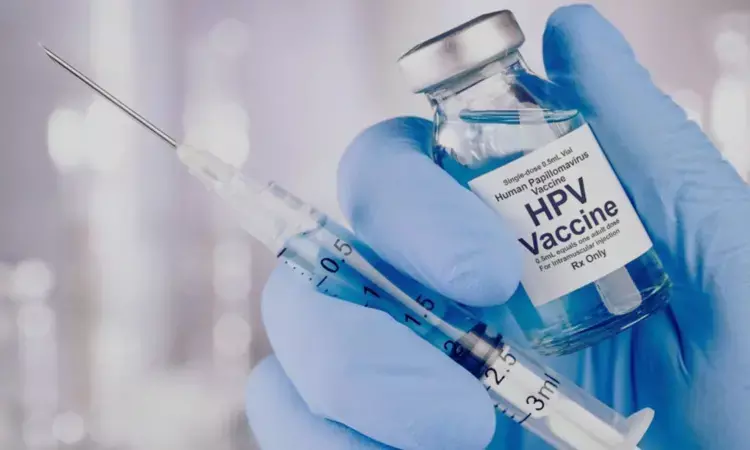
The Maharashtra Health Department will introduce a statewide campaign from January 2026 to provide the Human Papilloma Virus (HPV) vaccine free of cost to all girls aged 9 to 14. The initiative marks a major public-health expansion following the Union Government’s 2024 Budget decision to make HPV vaccines universally accessible to girls in this age group to help prevent cervical cancer, one of India’s most preventable yet deadly diseases.
A Major Shift From Pilot to Statewide Rollout
Maharashtra previously conducted a limited pilot project that vaccinated students in government-run schools. With the upcoming universal rollout, every eligible girl—regardless of schooling or socioeconomic status—will be included in the state immunisation drive.
According to Dr. Sandeep Sangle, Joint Director of the State Family Welfare Department, the programme will begin as soon as the Centre issues its final operational orders. He confirmed that all public health facilities will stock the vaccine at no cost, and that the state has already developed detailed operational guidelines covering parental consent, vaccination tracking and digital record-keeping. Awareness programmes for adult women—focusing on screening and early detection of cervical precancers—will continue alongside the immunisation effort.
Preparedness: Vaccine Supply and Workforce Training
State officials report that Maharashtra has already received 9.5 lakh vaccine doses, ensuring an uninterrupted launch phase. Comprehensive training has been completed for healthcare workers across state, district and block levels, equipping them to manage both large-scale administration and community engagement.
Public-health experts say such advance preparation is critical. HPV vaccines are most effective when given before exposure to the virus—typically before sexual debut—making the 9–14 age window essential.
Why This Programme Matters
A High Burden of Cervical Cancer in India
Cervical cancer remains the second most common cancer among Indian women, responsible for more than 77,000 deaths each year, according to national cancer registry data. Despite being largely preventable through vaccination and treatable when detected early, access gaps and low public awareness have contributed to persistently high mortality rates.
Alignment With National Immunisation Policy
With the Union Government now including HPV vaccines in the National Immunisation Programme, Maharashtra becomes one of the early states to embed the shot in its routine immunisation schedule. Public-health specialists view this as a decisive step toward reducing India’s cervical cancer burden over the next decade.
Dr. Sangle noted that the initiative represents “a long-awaited transition from limited pilots to universal coverage,” emphasising that consistent uptake could “dramatically cut the incidence of cervical cancer in the years ahead.”
Challenges Ahead
While the state is logistically prepared, experts underline that public awareness and parental consent will be key determinants of success. Vaccine hesitancy—fuelled by misinformation or discomfort discussing reproductive health—has slowed HPV uptake in many countries.
Community health workers, school authorities and local administrators are expected to play a central role in counselling families, especially in rural and underserved areas.
Looking Forward
If successfully implemented, Maharashtra’s HPV vaccine rollout could become a national model for cancer-prevention campaigns, demonstrating how early immunisation combined with robust public communication can reshape long-term disease trends.
With policymakers hoping to eventually eliminate cervical cancer as a public-health threat, the January 2026 launch marks a significant step toward that goal.