
Lyari Demands Share of ₹1000 Crore 'Dhurandhar' Box Office Revenue
Lyari residents seek film profits for local development.
Top Summary
- What happened: Residents of Lyari, Pakistan, are demanding a share of the ₹1000 crore+ box office earnings of the film 'Dhurandhar: The Revenge'.
- Why it matters: The demand highlights the debate around representation, ownership, and financial benefits for communities inspiring films.
- What changes for people: Lyari residents hope to secure funds for infrastructure improvements and public welfare in their locality.
- Who is affected: Aditya Dhar (director), the film's producers, and the residents of Lyari are directly impacted.
Lyari's Demand: A Share of Success
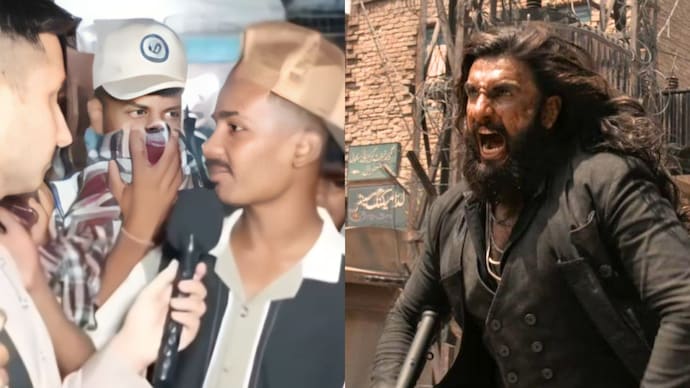
Residents of Lyari, Karachi, are calling for a significant portion, some suggest up to 80%, of the box office revenue from 'Dhurandhar: The Revenge' to be allocated to local development.
The Ranveer Singh-starrer has grossed over ₹1,000 crore globally, spotlighting the Lyari neighborhood that inspired the film's narrative.
Locals argue that since the film heavily utilizes Lyari's name and setting, the community deserves a financial stake in its success.
Rationale Behind the Request
The residents' demands are rooted in the belief that 'Dhurandhar' capitalized on Lyari's identity and socio-economic conditions.
They point to the area's inadequate infrastructure, including deteriorated roads and a lack of essential amenities.
Some estimate that 70-80% of the film's earnings would be a reasonable share, given the story's reliance on Lyari's real-world context.
'Dhurandhar: The Revenge': A Synopsis
Directed by Aditya Dhar, the film centers on an Indian intelligence officer operating within gang networks in Lyari.
The plot follows his ascent in the underworld while simultaneously carrying out a secret mission.
The film stars Ranveer Singh, Arjun Rampal, R. Madhavan, Akshaye Khanna, Sanjay Dutt, Rakesh Bedi and Sara Arjun.
Silence from the Filmmakers
As of now, neither Aditya Dhar nor the film's producers have released any official statement addressing the residents' demands.
However, the online support for Lyari's cause is gaining momentum as the film's profits continue to rise.
Wider Implications
This situation raises important questions about:
- Representation of communities in film
- Ownership of narratives
- Financial compensation for communities that inspire these narratives
What to Watch Next
It remains to be seen whether the filmmakers will respond to the demands from Lyari residents. The outcome could set a precedent for future films drawing inspiration from real-world communities and their struggles.