
Iran-US Ceasefire Under Fresh Strain As Trump Rejects Tehran Proposal
Tensions in the ongoing Iran conflict escalated again after Donald Trump rejected Iran’s latest peace proposal, calling it “unacceptable,” while reports from the region suggested...
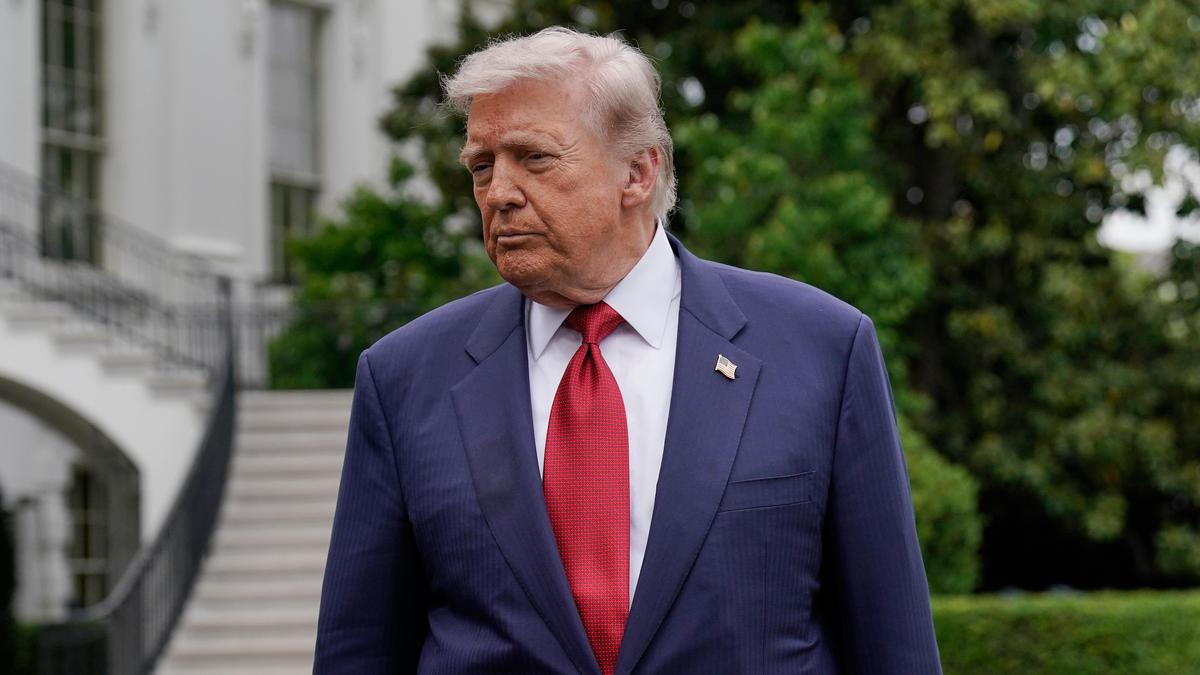
Tensions in the ongoing Iran conflict escalated again after Donald Trump rejected Iran’s latest peace proposal, calling it “unacceptable,” while reports from the region suggested the fragile ceasefire is increasingly under pressure. Rising oil prices, military threats, and economic disruption are continuing to impact both the Middle East and global markets.
What happened
- Trump rejected Iran’s latest proposal aimed at ending the conflict
- Iran reportedly demanded an end to hostilities across the region, including Lebanon
- Tehran also sought guarantees over maritime security in the Strait of Hormuz
- Officials on both sides continue discussing possible negotiations amid deep mistrust
Iran warns of stronger response
Iranian officials warned that any renewed US-Israeli military attack could trigger:
- Expansion of uranium enrichment up to 90%
- Wider regional military escalation
- New military strategies and overseas operations
Iran’s parliament and military leadership reportedly indicated they are prepared for further confrontation if talks collapse.
Economic impact growing across the region
The conflict is now heavily affecting regional economies:
- Oil disruptions are increasing prices globally
- Asian currencies, including Indonesia’s rupiah and the Philippine peso, weakened sharply
- Iranian industries and supply chains are facing severe pressure after attacks on industrial facilities
- Rising prices are affecting daily life inside Iran
Israel-Lebanon tensions continue
Despite ceasefire discussions:
- Israel reportedly continued strikes in southern Lebanon
- Forced displacement notices were issued in several villages
- Lebanese infrastructure, including water facilities, was reportedly damaged
- Israel claimed it struck more than 1,100 Hezbollah-linked targets since the ceasefire understanding began
Pakistan rejects military shelter claims
Meanwhile, Pakistan denied reports that it was secretly protecting Iranian military aircraft at Nur Khan Airbase near Rawalpindi. Islamabad called the allegations “misleading and sensationalised.”
Why it matters
The Iran conflict is now affecting global oil markets, regional stability, diplomatic relations, and international trade routes. Continued instability around the Strait of Hormuz remains a major concern because a large share of global oil supply passes through the region.
What changes
- Global energy prices may remain volatile
- Diplomatic pressure on Iran and the US is likely to intensify
- Asian economies dependent on fuel imports could face additional pressure
- Regional military tensions may continue despite ceasefire efforts
Who is affected
- Iran, Israel, Lebanon, and the United States
- Oil-importing countries and global markets
- Shipping and trade routes linked to the Strait of Hormuz
- Civilians facing economic and security uncertainty in the region
What to watch next
Global attention will remain focused on whether diplomatic negotiations resume or if fresh military escalation follows. Markets are also closely monitoring oil prices, maritime security in the Strait of Hormuz, and the possibility of broader regional conflict.