
‘Indian Languages Key to Big Leaps’: Dharmendra Pradhan
Dharmendra Pradhan called for stronger emphasis on Indian languages in education, saying linguistic pride is crucial if India wants to make major developmental leaps. Top...
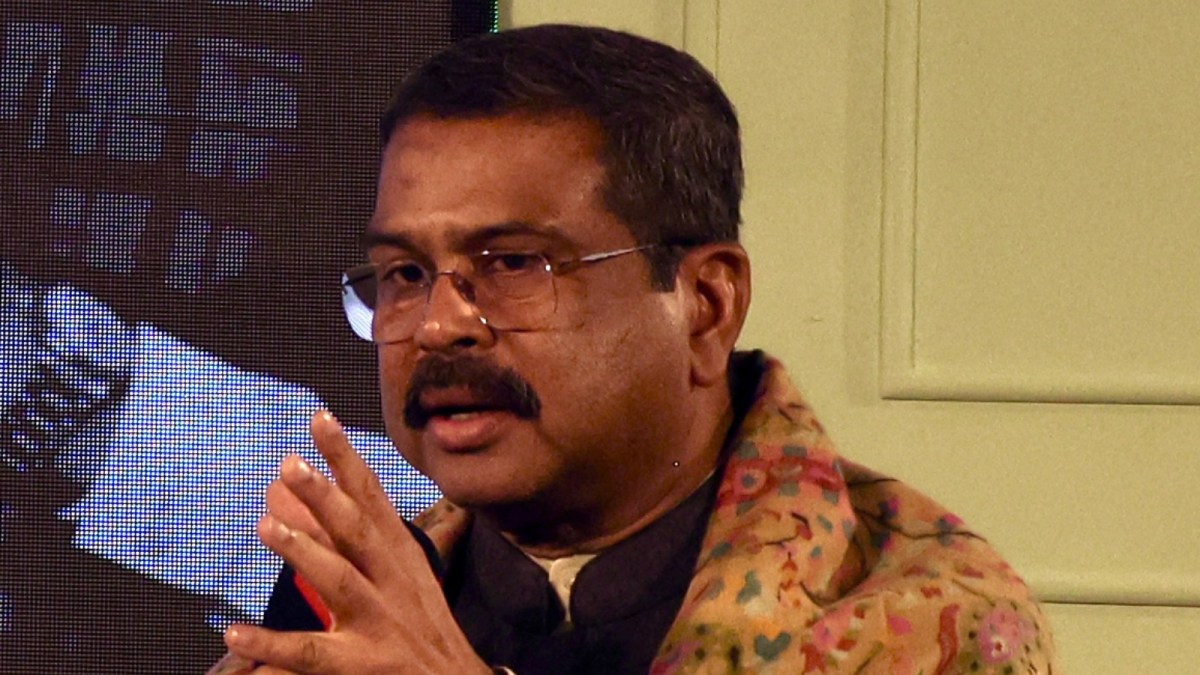
Dharmendra Pradhan called for stronger emphasis on Indian languages in education, saying linguistic pride is crucial if India wants to make major developmental leaps.
Top Summary
What happened: Education Minister Dharmendra Pradhan advocated greater use of Indian languages in education.
Why it matters now: Aligns with the National Education Policy’s push for mother-tongue instruction.
What changes for students: Potential expansion of higher education resources in regional languages.
Who is affected: Students, universities, policymakers and language institutions.
“Languages of our civilisation are Indian languages”
Pradhan said:
“The languages of our civilisation are Indian languages. We need to give importance to Indian languages if we need to make big leaps.”
He argued that knowledge creation and innovation are stronger when learners engage in their mother tongue.
Global Comparisons
Referencing Germany, Japan and China, he noted that:
These nations conduct advanced research in native languages
They preserve linguistic identity while competing globally
English is not the sole gateway to innovation
The implication: India can similarly modernise without abandoning its linguistic heritage.
Link to National Education Policy
The comments align with the National Education Policy 2020, which encourages:
Mother-tongue instruction in early education
Translation of technical materials
Multilingual higher education expansion
Development of regional-language academic resources
Several engineering and medical institutions have already introduced programmes in Indian languages.
Challenges Ahead
However, expanding higher education in regional languages raises questions:
Availability of quality textbooks
Standardised terminology in science and technology
Faculty preparedness
Global mobility for students
Balancing linguistic pride with global engagement remains a policy challenge.