
India Grapples with 'Baap da Brat' Phenomenon
Entitled youth's privilege often shields them from consequences, fueling public frustration with the justice system. This trend has become a national concern.
The Cliff News | 13 October 2026
India faces a persistent issue of 'Baap da Brat' – an entitled youth, often the son of influential parents, who believes his family's wealth and connections can resolve any problem, even grave legal ones. This phenomenon, where privilege appears to circumvent accountability, is increasingly viewed as a national hazard, undermining faith in justice.
The archetype is clear: an individual adorned with designer wear and a luxury vehicle, possessing limited emotional maturity and an immediate recourse to influential figures when faced with adversity. For such individuals, traffic rules and societal norms are often seen as inapplicable, and the phrase "Do you even know who my dad is?" becomes a standard defense.
The 'Baap da Brat' Persona
This entitled persona is characterized by a profound lack of remorse and a reliance on parental intervention rather than personal responsibility. Their identity is often intrinsically tied to their father's status, leading to a belief that any transgression can be "fixed" by familial influence. This mindset fosters a dangerous disconnect from the realities faced by ordinary citizens.
Recent Incidents Fueling Outrage
Recent incidents have starkly highlighted this societal ill. In May 2024, the tragic death of two engineers in Pune after their Porsche was hit by a vehicle driven by 17-year-old Vedant Agarwal, son of a prominent real estate developer, sparked widespread condemnation. Agarwal was reportedly granted bail on the condition of writing a 300-word essay on road accidents, a leniency widely criticized as disproportionate to the loss of life.
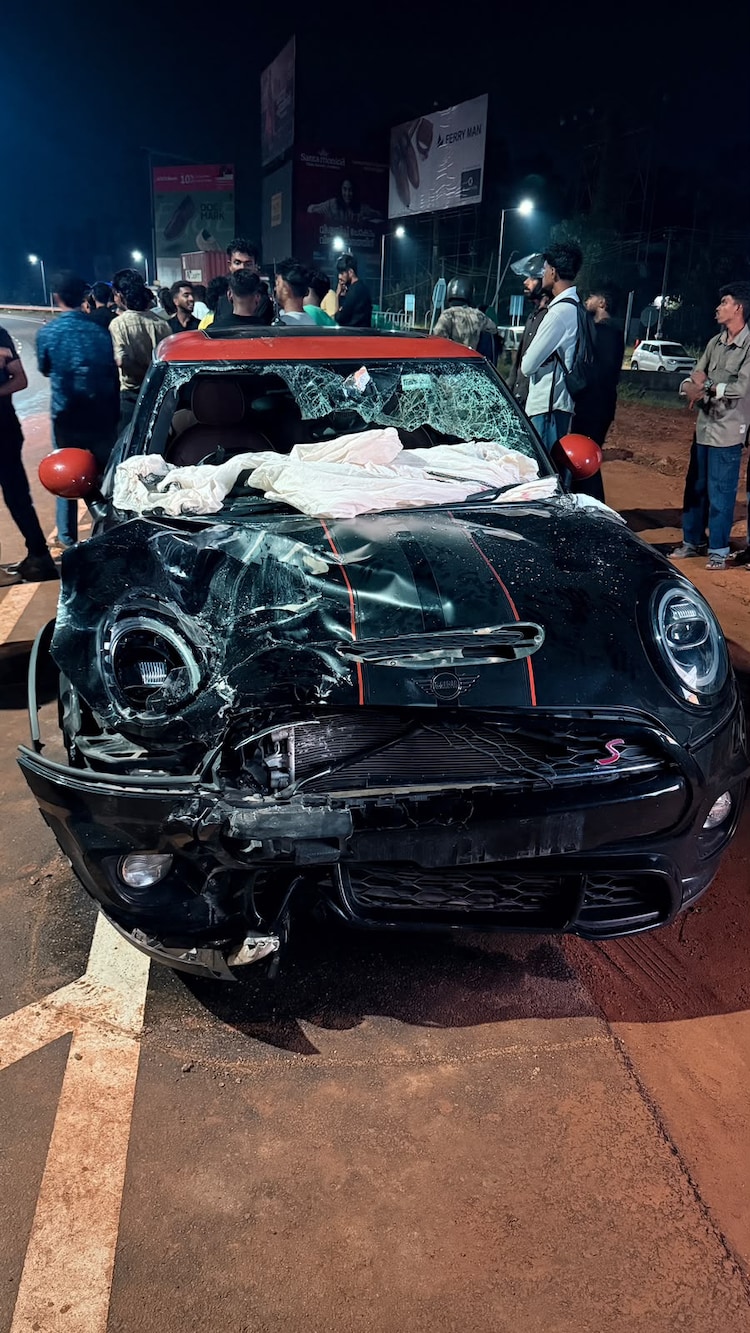
Similarly, the case of Suhail Sajeev, a 19-year-old who crashed his Mini Cooper near Kochi airport, resulting in the deaths of Devika, Gopika, and Ijaz, exemplifies this pattern. His immediate response, "No worries, Daddy will take care of it," underscores the deeply ingrained belief that wealth provides an impenetrable shield against legal ramifications and societal judgment.
Systemic Concerns and Public Anxiety
These incidents are not isolated. Past cases, such as Mihir Shah, son of a political figure, hitting Kaveri Nakhwa with his BMW, and Sanjiv Nanda, who ran over six people in Delhi, have previously fueled public anxiety about the influence of wealth and connections within the justice system. In such instances, the family name often seems to precede that of the victim, creating a perception of unequal justice.
The system sometimes appears to treat grave offenses as public relations challenges for privileged families. Lawyers are engaged, carefully worded statements are issued, and sometimes even drivers are presented as scapegoats. The family closes ranks, weathering the initial public outrage until the news cycle moves on, allowing life to resume within their protected circles.
The Stark Contrast for Ordinary Citizens
In contrast, for families of victims without such privilege, the aftermath of such tragedies is a grueling struggle for survival. Lost wages, mounting medical bills, prolonged legal uncertainty, and the crushing realization that the perpetrator may have access to resources beyond their wildest imagination become the norm. The reliance on social media to gain attention for their plight highlights a system where justice can inadvertently depend on a tragedy trending online.
The fundamental difference lies not in the depth of a family's love for their child, but in the ability of wealth to transform accountability into a protracted negotiation. While not every wealthy child is inherently entitled or every wealthy parent irresponsible, money demonstrably amplifies the potential danger of bad behavior. It can secure access to top legal counsel, prolong legal battles, shape public perception, and provide a buffer against consequences that would devastate an ordinary family.
Parenting and the Measurement of Success
Societal values are often skewed towards celebrating material success over character development. The father who gifts a luxury car is lauded, but rarely questioned about instilling responsibility. Mothers who fiercely advocate for their children over academic issues are common, yet those who allow their children to face the natural consequences of their actions are less visible. Parenting is frequently measured by lavish birthday parties, international holidays, designer clothing, and expensive educational institutions, as if character itself were a purchasable commodity.
The children themselves are often raised to believe they are the central figures in a universe where others are mere supporting characters. Security guards are seen as obstacles, waiters as accessories, traffic police as inconveniences, and pedestrians as disruptive elements. This warped perspective, fostered by a culture of entitlement, ultimately creates individuals who are, in the eyes of the public, a significant liability.