
Ikkis Review: A Quiet, Human War Film That Pushes Back Against Jingoism
A young man turns 21 with cake on his face and dreams of glory in his eyes. War, he believes, is adventure. Ikkis begins with...
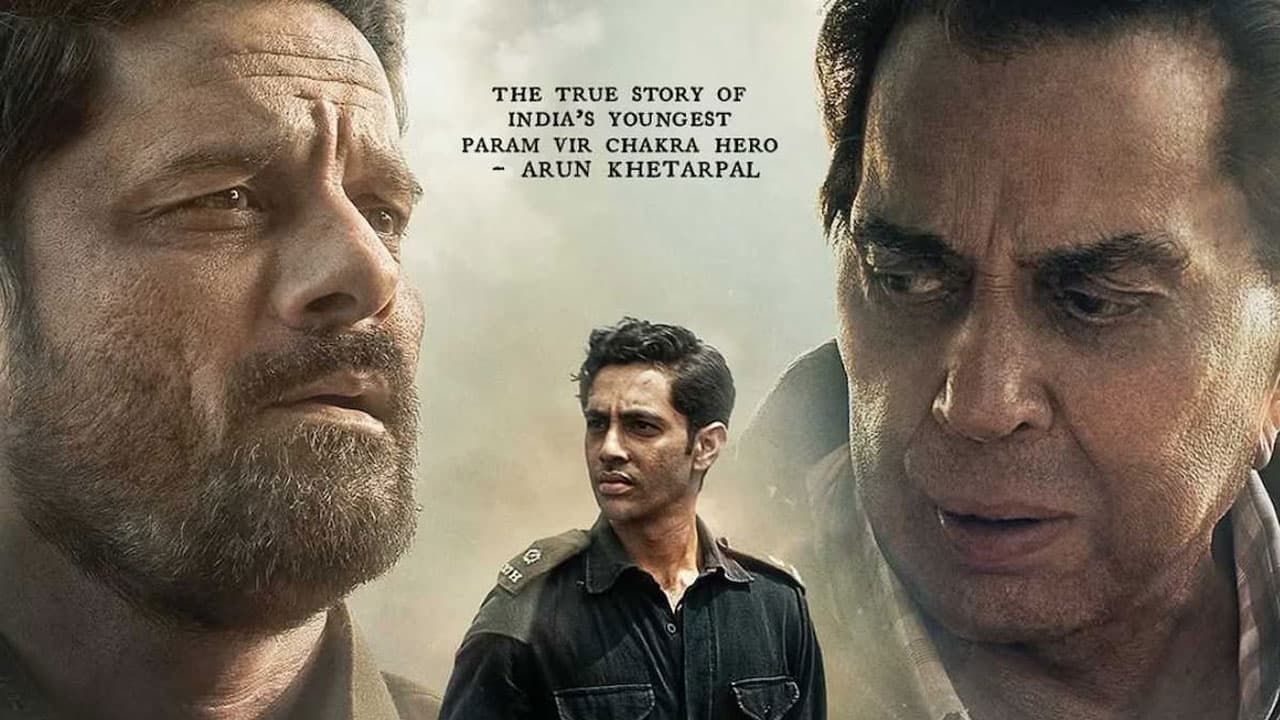
A young man turns 21 with cake on his face and dreams of glory in his eyes. War, he believes, is adventure. Ikkis begins with that youthful bravado — and then steadily peels it away.
Directed by Sriram Raghavan, Ikkis is a period war drama set against the 1971 India–Pakistan conflict, but it is far removed from the chest-thumping nationalism that dominates the genre today. Instead, the film asks uncomfortable questions about courage, duty, and the cost of heroism — not just for those who die young, but for those left behind.
From Boyish Swagger to Battlefield Reality
Arun (Agastya Nanda) is a tank commander-in-training in the early 1970s, brimming with confidence and ambition. He has proven himself as a leader, fallen in love with Kiran (Simar Bhatia), and imagines war as a test he is destined to ace. When hostilities with Pakistan break out, he reports for duty armed not just with optimism, but with a set of golf clubs — joking that he plans to play a round in Lahore.
His commanding officer Hanut (Mukul Dev) is unimpressed. Arun, he says bluntly, understands nothing about war.
That gap — between romanticised valour and lived violence — forms the emotional spine of Ikkis.
A Different Kind of War Film
Raghavan, known for noir thrillers like Andhadhun and Badlapur, ventures into unfamiliar territory here. There are no stylised kills or narrative tricks. Instead, the film grapples with the moral weight of real history.
Ikkis is inspired by the life of Arun Khetarpal, who was posthumously awarded the Param Vir Chakra for his actions during the 1971 war. Rather than merely recreating battlefield heroics, the screenplay — written by Raghavan along with Pooja Ladha Surti and Arijit Biswas — attempts something more ambitious: to understand what connects soldiers on opposing sides who are trained to kill one another.
Memory, Loss, and an Unlikely Encounter
The film splits its narrative between Arun’s wartime experience and events three decades later. His father Madan (Dharmendra), a former Army officer, travels to Pakistan on a deeply personal journey. Guiding him is Nisar (Jaideep Ahlawat), a former Pakistani soldier who once faced Arun in combat.
Their interactions form the film’s most unusual thread. Raghavan imagines a space where enemies can speak not as symbols of nations, but as men shaped by the same war.
At times, this warmth feels overstated. The film’s vision of cross-border camaraderie — complete with old Hindi film songs and generous hospitality — risks glossing over the deeper scars left by Partition and decades of conflict. The longing for a gentler past is evident, even if it occasionally strains credibility.
Resisting the Pull of Jingoism
What sets Ikkis apart is its refusal to inflame nationalist sentiment. Raghavan deliberately strips the war of spectacle, focusing instead on discipline, restraint, and ethical conduct. Combat is presented as functional rather than glorious.
The climactic tank battle — the film’s most overtly dramatic sequence — is gripping yet restrained, avoiding excess. Elsewhere, the filmmaking is intentionally plain. Anil Mehta’s cinematography is understated, the pacing old-school, and the visual language consciously avoids grandeur. The result feels like a war film from another era, both in form and philosophy.
Performances and Imbalances
Agastya Nanda delivers a steady performance as Arun, convincingly charting the character’s evolution from eager youth to hardened soldier. His arc carries the film’s emotional weight, especially as Arun begins to grasp what courage truly demands.
Dharmendra, in what appears to be his final screen role, occupies significant narrative space. While his presence adds gravitas, the film leans too heavily on him. Lengthy scenes draw attention to his age and laboured dialogue delivery, diluting their intended impact.
Jaideep Ahlawat provides a strong counterpoint as Nisar, though the screenplay never fully explores the depth of his remorse. The film insists that soldiers merely follow duty in wartime, leaving little room to examine lingering guilt with the complexity it deserves.
The frequent use of flashbacks also disrupts emotional momentum, preventing certain moments from landing with full force.
A Film That Dares to Ask “Why?”
Despite its flaws, Ikkis ultimately finds its purpose. It honours the sacrifice of a 21-year-old soldier while daring to pose a far more difficult question: was that sacrifice inevitable?
In one quietly powerful scene, Madan reflects that his son will remain “forever 21” in his memory — a line that encapsulates both pride and irreversible loss.
The film’s most telling moment comes when Madan and Nisar realise they are being followed by Pakistani intelligence agents. Nisar shrugs it off. They have a job to finish. That same understated resolve defines Ikkis itself.
Final Verdict
Ikkis is an imperfect but deeply thoughtful war film — restrained where others shout, empathetic where others polarise. It does not always balance its timelines or characters effectively, but its moral ambition sets it apart.
In a genre increasingly driven by spectacle and slogans, Ikkis chooses a quieter, riskier path: remembering war as a human tragedy rather than a nationalist performance. That choice alone makes it worth attention.