
IIT female intake doubles — but India’s STEM gender gap keeps growing
Rising admissions for women at top engineering institutes show progress, yet widening numbers reveal deeper structural challenges in science education. What happened: Female enrollment across...
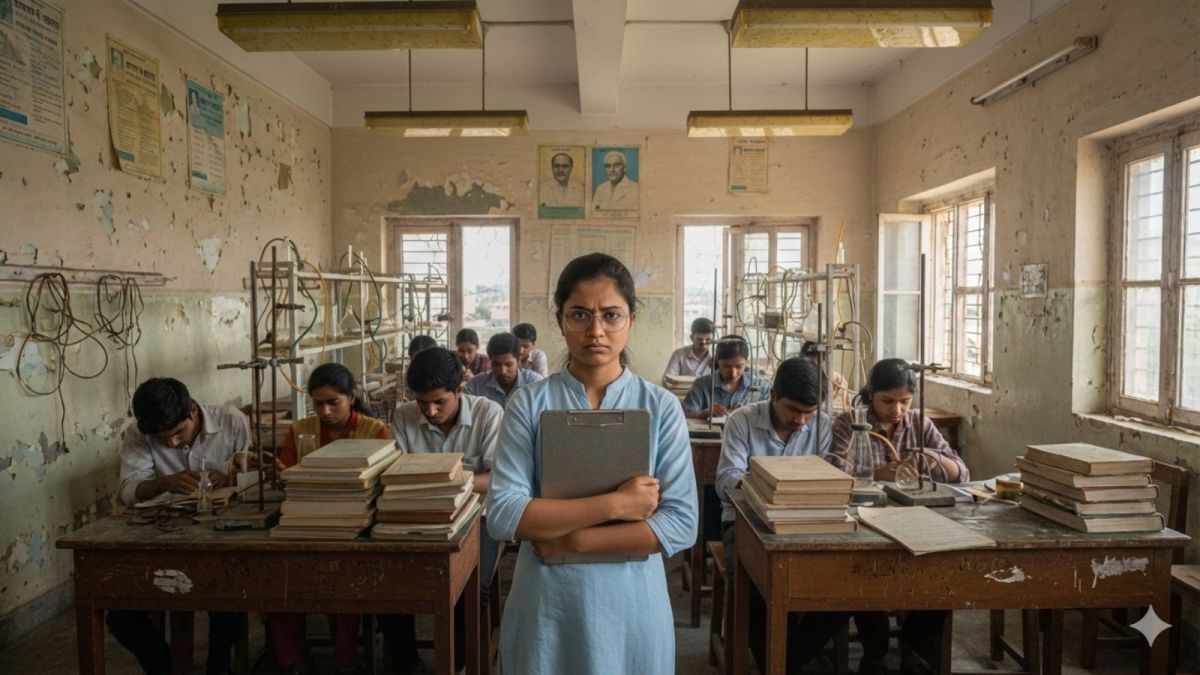
Rising admissions for women at top engineering institutes show progress, yet widening numbers reveal deeper structural challenges in science education.
What happened:
-
Female enrollment across five major Indian Institutes of Technology nearly doubled from 1,621 in 2018 to 3,247 in 2025.
-
Despite this growth, the gender gap widened as male admissions increased faster in absolute numbers.
Why it matters now:
-
The trend highlights a paradox in India’s STEM ecosystem — participation is improving, but parity remains distant even at elite institutions.
What changes for people:
-
Policymakers and educators may need to rethink outreach, mentorship and retention strategies for girls in science and engineering.
Who is affected:
-
Students preparing for JEE, universities shaping STEM policy, and industries relying on a diverse technical workforce.
Progress that looks strong — but hides a widening gap
On the surface, the numbers signal progress. Female intake at top IITs — including Bombay, Madras, Delhi, Kanpur and Kharagpur — has grown steadily over seven years. Women now make up roughly one-fifth of total admissions, compared with under 16% in 2018.
Yet the broader picture tells a more complicated story. Male admissions have also expanded, pushing the overall gap from 7,007 candidates in 2018 to 9,153 in 2025. In other words, more women are entering IIT classrooms, but men continue to dominate by a larger margin.
Education experts say this reflects systemic challenges that start long before students sit for the Joint Entrance Examination.
Pandemic years didn’t slow the trend
Even during Covid-19 disruptions, the gender imbalance continued to widen. Female admissions crossed 2,700 by 2020, but male intake surged past 10,500 — maintaining a strong numerical lead.
Post-pandemic recovery accelerated the pattern. From 2022 onward, women’s intake rose gradually, yet male numbers climbed alongside it. By 2024, the gap crossed the 9,000 mark for the first time.
Analysts say this suggests structural factors — not temporary disruptions — are shaping the pipeline into elite STEM education.
How India fits into the global picture
The numbers mirror concerns raised by UNESCO, which marks February 11 as the International Day of Women and Girls in Science. Globally, women account for less than one-third of researchers despite higher overall enrollment in higher education.
UNESCO data shows young women are more likely than men to attend university overall, but they represent only about 35% of science graduates worldwide. Experts argue that early educational choices, societal expectations and career pathways continue to influence participation rates.
India’s IIT trends reflect this global imbalance — strong academic interest among women, but persistent barriers in advanced technical fields.
Not all IITs are the same
Institute-level data shows some variation. IIT Madras has consistently recorded the highest female participation, increasing from 519 women in 2018 to 1,173 in 2025. IIT Bombay and IIT Delhi also show steady growth.
However, IIT Kanpur and IIT Kharagpur continue to see slower increases, with female intake remaining below 300 in several years.
Even at campuses with stronger representation, the gap persists because male admissions expand simultaneously. Experts say this highlights the limits of admission quotas alone in achieving true gender balance.
Beyond admissions: the deeper STEM challenge
Education researchers argue that closing the gender gap requires more than increasing intake numbers. Many girls leave the STEM pipeline earlier due to lack of mentorship, limited exposure to role models or cultural perceptions about engineering careers.
There is also growing concern about representation in emerging fields such as quantum science, artificial intelligence and climate technology — areas UNESCO says will shape the future of global research.
Industry leaders warn that failing to address gender disparities could limit innovation by narrowing the diversity of perspectives within scientific communities.
Multiple perspectives: quotas vs long-term reform
Supporters of policies aimed at boosting female admissions say IIT numbers prove that targeted interventions can work. Critics counter that intake growth alone cannot fix deeper issues such as unequal school preparation, coaching access or workplace barriers.
Some educators suggest shifting focus toward early STEM education for girls, including scholarships, mentorship programs and exposure to research careers before college.
The debate reflects a broader question: is numerical representation enough, or does real parity require systemic cultural change?