
IIT Bombay Turns Fallen Leaves Into Fuel, Tackles LPG Crisis
IIT Bombay uses biomass gasifier to combat LPG shortages.
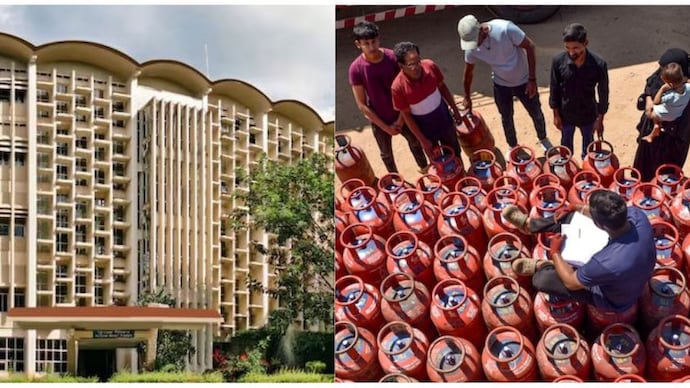
Top Summary
- What happened: IIT Bombay developed a biomass gasifier using fallen leaves to reduce LPG consumption.
- Why it matters: Addresses the ongoing LPG crisis with sustainable waste management.
- What changes: Reduces reliance on LPG in canteen and, soon, hostels.
- Who is affected: IIT Bombay students, staff, and potentially other institutions.
IIT Bombay's Innovative Solution
Amid the national LPG crisis, IIT Bombay has found a sustainable solution. They are using a patented biomass gasification technology.
The technology converts fallen leaves from its campus into fuel.
This innovative approach keeps the canteen operational and reduces LPG dependency.
From Waste to Energy
The initiative, spearheaded by Professor Sanjay Mahajani, started in 2014. It manages campus waste and promotes sustainability.
Professor Mahajani leads the Green Energy and Sustainability Hub at IIT Bombay.
The project has garnered significant interest from institutions across the country.
The Gasification Process
Fallen leaves and twigs are collected and processed into pellets.
Even unusable plastics have been tested for pellet production.
These pellets are then heated to high temperatures, partially burning the biomass.
"If the pellets are directly burnt, they would create a lot of smoke. But inside the setup, at very high temperatures, partial biomass gets converted into gas..." - Professor Mahajani
Key Contributors
Dr. Sujeet Deore, Co-founder of Infixen Energy Pvt Ltd, patented a premix burner for the gasifier.
Prabodh Gadkari, also Co-founder of Infixen Energy Pvt Ltd, contributed to the project.
Professor Sandeep Kumar, Faculty Advisor from the Energy Science and Engineering Department, also played a vital role. Professor Mahajani patented the gasifier design.
Expansion Plans
IIT Bombay plans to expand the gasifier system to serve its hostels.
The aim is to cater to 13,000 students and half the staff, reducing the need for approximately 200 LPG cylinders daily.
"We now have the confidence, and our dean has permitted us to install this gasifier in one hostel that is at least 3–4 times bigger than this gasifier..." - Professor Mahajani
Safety and Operational Convenience
Before large-scale implementation, a continuous one-year trial was conducted.
Safety audits and operational convenience were carefully assessed.
Cook satisfaction was also a key consideration.
The next step involves installing a larger gasifier in one hostel for a few months.
If successful, six more gasifiers will be installed in other hostels.
What to Watch Next
The performance of the larger gasifier in the hostel setting will be closely monitored. Further developments regarding the installation of additional gasifiers are expected in the coming months.