
High Blood Pressure May Quietly Damage The Brain, Doctors Warn
Doctors are warning that uncontrolled high blood pressure may silently harm the brain for years before major symptoms appear. Experts say hypertension is now being...
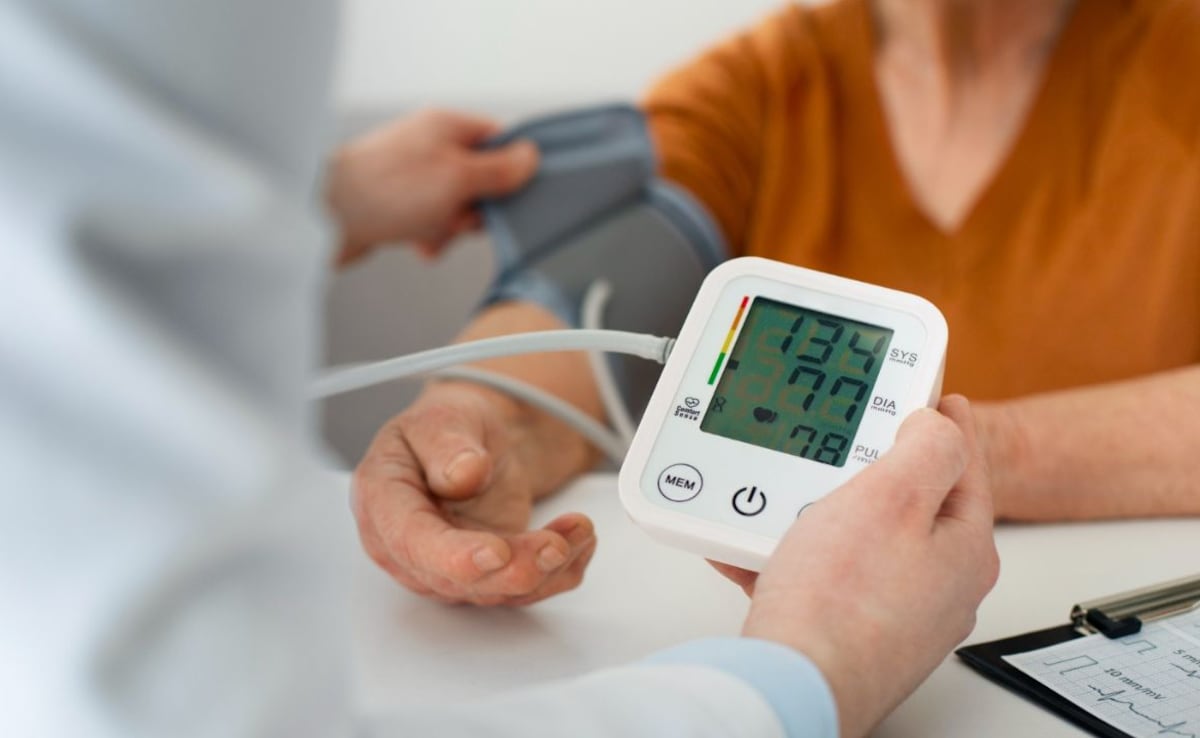
Doctors are warning that uncontrolled high blood pressure may silently harm the brain for years before major symptoms appear. Experts say hypertension is now being viewed not just as a heart problem, but also as a major risk factor for memory loss, stroke, and cognitive decline.
Early signs can include forgetfulness, slower thinking, poor concentration, mood changes, and mental fatigue — symptoms many people often ignore or mistake for stress.
- What happened
- Neurologists and brain specialists highlighted the long-term impact of hypertension on brain health.
- Studies linked uncontrolled blood pressure with silent brain injuries, dementia risk, and strokes.
- Why it matters
- The brain relies on tiny blood vessels for oxygen and blood flow.
- Long-term high blood pressure can damage these vessels, affecting memory, balance, and decision-making ability.
- What doctors found
- Patients may develop “silent brain injuries” including microbleeds and white matter damage before visible stroke symptoms appear.
- Experts warned that even small unnoticed strokes can gradually affect cognitive function.
- Stroke and dementia risk
- Doctors say hypertension sharply increases the risk of both ischemic and hemorrhagic strokes.
- Research also linked high blood pressure with vascular dementia and faster cognitive decline.
- Lifestyle factors
- Poor sleep, stress, smoking, obesity, alcohol use, lack of exercise, and excess salt intake are worsening hypertension rates.
- Younger adults in their 30s and 40s are increasingly being diagnosed with elevated blood pressure.
- What changes
- Doctors are urging earlier blood pressure screening, especially after age 30.
- Experts recommend regular exercise, healthy sleep, stress management, reduced salt intake, and timely medication.
- Who is affected
- Adults with uncontrolled blood pressure
- Younger professionals with stressful lifestyles
- People with family histories of hypertension or stroke
What to watch next:
Growing awareness around brain-related risks of hypertension and whether health agencies introduce stronger early-screening campaigns for younger adults.