
Health Department Issues Statewide Alert Ahead of Expected Flu Surge in Early 2026
Anticipating a rise in seasonal influenza cases between January and March 2026, the Health Department has issued fresh preparedness guidelines to all districts, asking them...
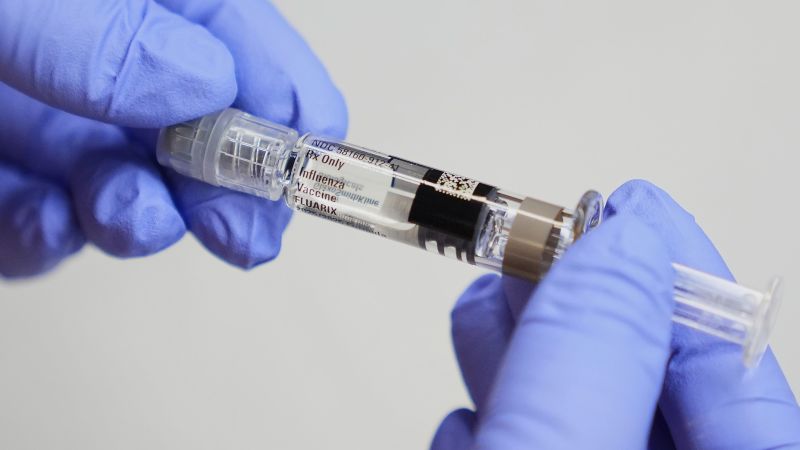
Anticipating a rise in seasonal influenza cases between January and March 2026, the Health Department has issued fresh preparedness guidelines to all districts, asking them to strengthen surveillance, testing and medical readiness. The move follows an advisory from the National Centre for Disease Control (NCDC), which has warned of a possible seasonal uptick in flu infections.
Enhanced Surveillance and Mandatory Testing
Under the new directions, districts have been instructed to intensify monitoring of Influenza-Like Illness (ILI) and Severe Acute Respiratory Infection (SARI) cases. As part of laboratory surveillance, officials have been told that 5 per cent of ILI samples and all SARI samples must be tested.
Testing will be carried out at nine designated influenza laboratories across the state, including Bangalore Medical College and the National Institute of Virology (NIV), Bengaluru. Health officials say this expanded testing regime will help in early detection of outbreaks and tracking circulating influenza strains.
Hospitals Asked to Ensure Drug and Equipment Readiness
The guidelines also stress the need for adequate medical supplies. Districts have been directed to maintain sufficient stocks of Oseltamivir, the antiviral drug commonly used to treat influenza, along with personal protective equipment (PPE), N95 masks and ventilators.
Health authorities have been asked to review hospital preparedness, particularly intensive care capacity, to ensure they can handle a potential rise in severe cases during the peak flu season.
Vaccination Drive for High-Risk Groups
The department has emphasised that vaccination should be prioritised for vulnerable populations, including healthcare workers, infants, senior citizens, pregnant women and people with compromised immune systems.
Officials said protecting these groups is crucial to reducing hospitalisation and mortality during seasonal influenza outbreaks.
Public Awareness and Reporting Measures
District administrations have also been instructed to step up information, education and communication (IEC) activities. These campaigns will focus on encouraging early reporting of symptoms and timely medical consultation.
All suspected and confirmed cases are to be reported through the Integrated Disease Surveillance Programme–Integrated Health Information Platform (IDSP–IHIP) portal, enabling real-time monitoring at the state and national levels.
About Seasonal Influenza
Seasonal influenza is a contagious viral infection that spreads mainly through respiratory droplets or contact with contaminated surfaces. Symptoms usually include fever, chills, cough, sore throat, muscle aches and fatigue, and the illness typically lasts five to seven days. While most cases are mild, influenza can lead to serious complications in high-risk individuals.
Health officials said early diagnosis, vaccination and prompt treatment remain the most effective tools to limit the impact of the upcoming flu season.