
HbA1c alone may misdiagnose diabetes in India, experts warn after new Lancet review
Specialists say glucose tests remain the most reliable method as blood disorders and anaemia can distort HbA1c readings across South Asia. What happened: A new...
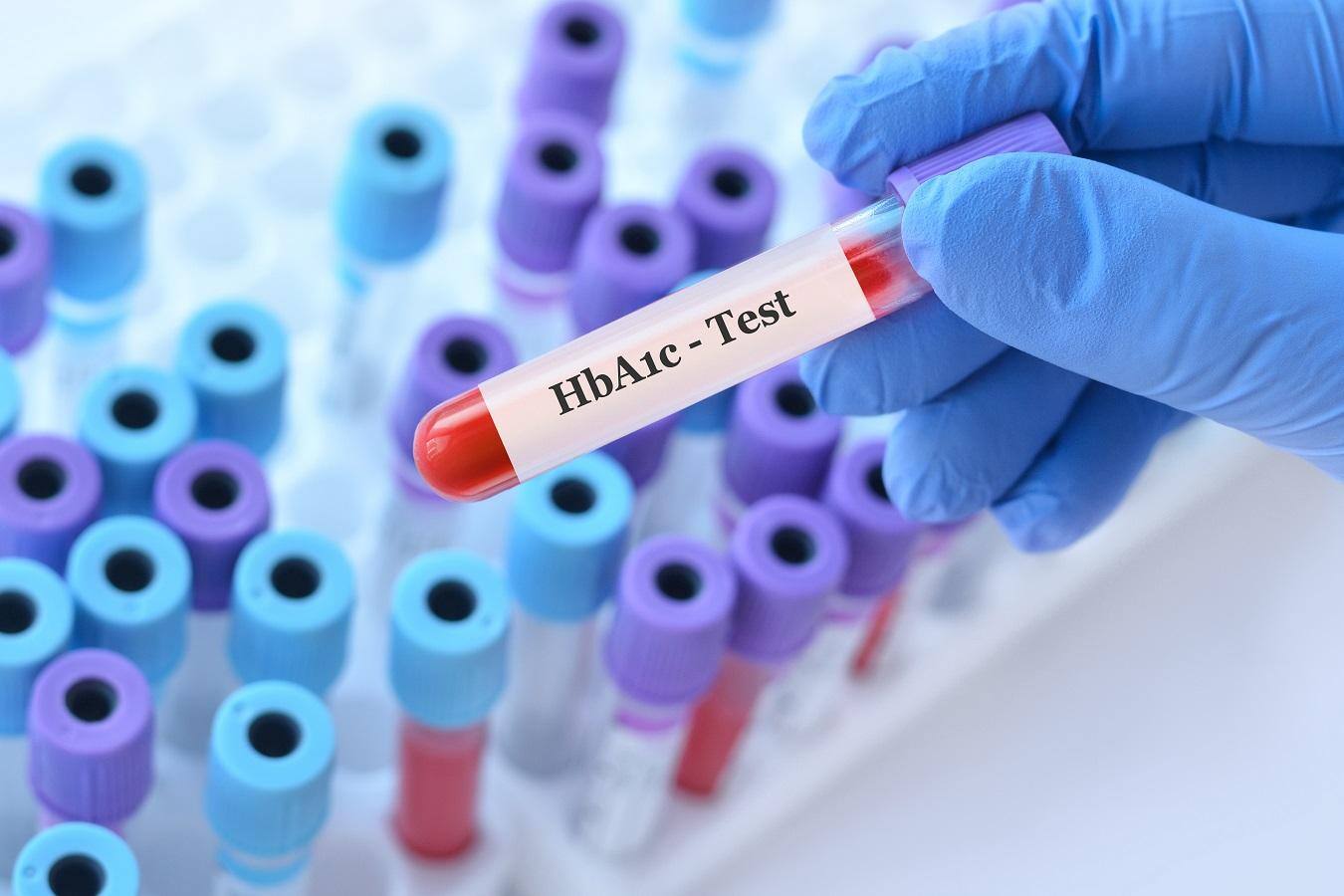
Specialists say glucose tests remain the most reliable method as blood disorders and anaemia can distort HbA1c readings across South Asia.
What happened:
-
A new review in Lancet Regional Health Southeast Asia suggests relying only on the HbA1c test could delay or misclassify diabetes diagnosis.
-
Diabetes expert Dr V Mohan said HbA1c is useful for long-term monitoring but should not be the sole diagnostic tool.
Why it matters now:
-
India has one of the world’s largest diabetes populations, and inaccurate testing could lead to late treatment or unnecessary medication.
What changes for people:
-
Doctors may emphasise blood glucose tests alongside HbA1c rather than depending on a single marker.
-
Patients may see more combined testing before receiving a diagnosis.
Who is affected:
-
Diabetes patients, rural populations with high anaemia rates, diagnostic labs, and healthcare policymakers.
Experts caution against relying only on HbA1c
Medical specialists are urging caution after a new review highlighted limitations of HbA1c — a widely used test that measures glycated haemoglobin levels. According to Dr V Mohan, chairman of Mohan’s Diabetes Specialities Centre, the test remains valuable for tracking long-term blood sugar control but is not the gold standard for diagnosing diabetes.
He emphasised that glucose-based tests still provide the most accurate diagnosis, particularly in India where laboratory standards and population health factors vary widely.
Why HbA1c results may be misleading in India
Researchers say several health conditions common in South Asia can distort HbA1c readings. These include:
-
Anaemia
-
Haemoglobin disorders
-
G6PD deficiency
-
Variations in red blood cell lifespan
Because HbA1c measures sugar attached to haemoglobin, any condition affecting blood cells can alter results. Experts warn that relying solely on this metric may label some people diabetic despite mild abnormalities, while others may be diagnosed too late.
Professor Anoop Misra noted that exclusive dependence on HbA1c could lead to both overdiagnosis and delayed detection, complicating treatment decisions.
Rural and tribal populations may face higher risk of misclassification
Doctors highlighted that discrepancies are likely to be greater outside urban centres. In many rural or tribal regions, higher rates of anaemia and inherited blood disorders can significantly skew HbA1c values.
Shashank Joshi, a diabetes specialist involved in the review, said even advanced hospitals encounter variability in readings, suggesting a broader systemic challenge rather than isolated laboratory issues.
The findings also raise questions about standardising diagnostic approaches in countries with diverse health profiles.
Balancing convenience with clinical accuracy
HbA1c testing has become popular because it does not require fasting and reflects average blood sugar levels over several months. However, experts argue that convenience should not replace accuracy — especially when diagnosing a lifelong condition like type 2 diabetes.
Some clinicians believe combining HbA1c with fasting plasma glucose or oral glucose tolerance tests could reduce errors and provide a clearer clinical picture.
Others caution that sudden shifts in diagnostic guidelines must be carefully implemented to avoid confusion among patients and healthcare providers.
Bigger picture: India’s growing diabetes burden
India continues to see a rise in diabetes cases driven by lifestyle changes, urbanisation and genetic factors. Accurate diagnosis is critical for early intervention, preventing complications such as heart disease, kidney failure and nerve damage.
The debate around HbA1c reflects a broader challenge in global healthcare — adapting diagnostic tools to regional populations rather than relying on universal benchmarks developed elsewhere.