
Gut-Brain Link: Vagus Nerve Stimulation May Reverse Age-Related Memory Loss
Stimulating the vagus nerve shows potential in reversing age-related memory loss.
Top Summary
- What happened: A new study suggests that remotely changing the gut microbiome via vagus nerve stimulation may reverse age-related memory loss.
- Why it matters: This research highlights the critical link between the gut microbiome and brain function, offering a novel approach to combatting cognitive decline.
- What changes for people: The findings suggest potential new therapies for age-related memory loss by targeting the gut-brain axis.
- Who is affected: This research primarily impacts individuals experiencing age-related memory loss and researchers studying the gut-brain connection.
The Gut-Brain Axis
A groundbreaking study indicates that manipulating the gut microbiome through vagus nerve stimulation could hold the key to reversing age-related memory decline. The vagus nerve, a crucial link between the gut and the brain, transmits signals that can influence cognitive function.
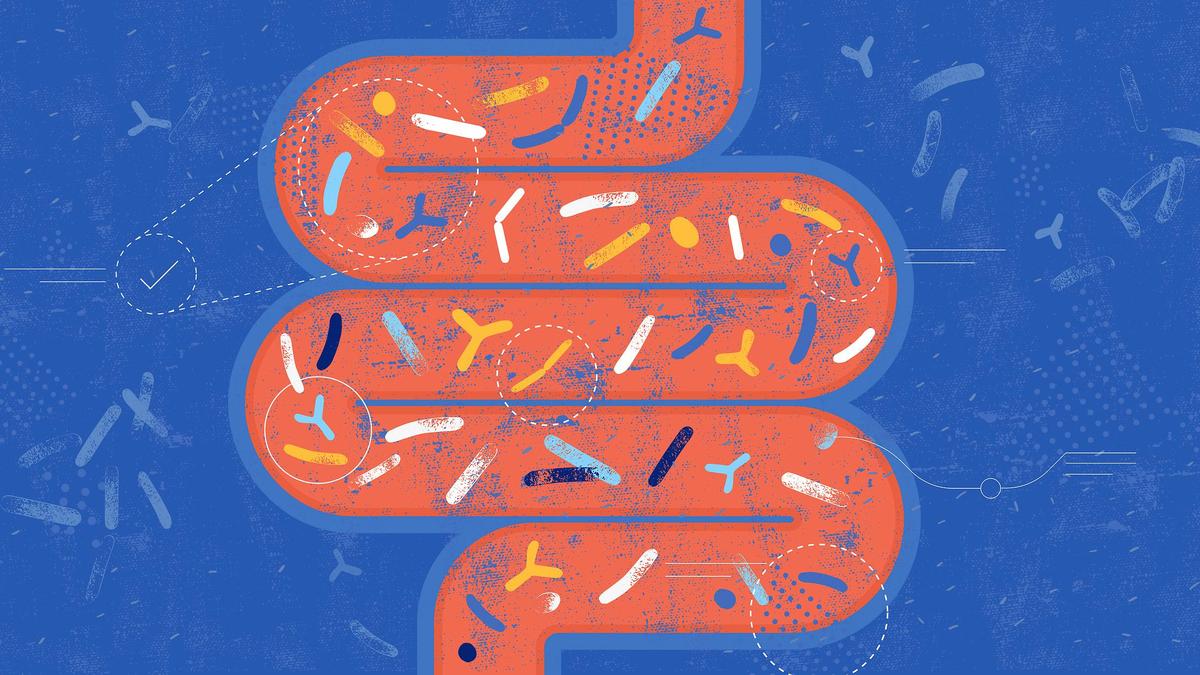
Changes in the gut microbiome are detected by immune cells in the gastrointestinal tract. This triggers an inflammatory response. This inflammatory response can impair the vagus nerve's ability to effectively signal the hippocampus.
Vagus Nerve Stimulation and Memory
The study focuses on remotely altering the composition of the gut microbiome. This is achieved by stimulating the vagus nerve. The vagus nerve then transmits signals from the gut to the brain.
Researchers believe this stimulation may help restore the vagus nerve's signaling capabilities. This could then positively impact the hippocampus, a brain region vital for memory formation and retrieval.
Potential Therapeutic Implications
These findings suggest a new avenue for therapeutic interventions. By targeting the gut-brain axis, specifically through vagus nerve stimulation, researchers hope to develop effective strategies to combat age-related memory loss.
Further research is needed to fully understand the mechanisms involved. It is also important to translate these findings into safe and effective clinical treatments.
What to Watch Next
Future studies will likely focus on identifying specific changes in the gut microbiome that contribute to memory improvement. Researchers will also be working on refining vagus nerve stimulation techniques to maximize their therapeutic potential and minimize any potential side effects.