
Four Farmers Fined Rs 12,500 in Guna for Burning Crop Residue
Guna administration imposes fines on four farmers for burning stubble, emphasizing environmental protection and sustainable agriculture practices.
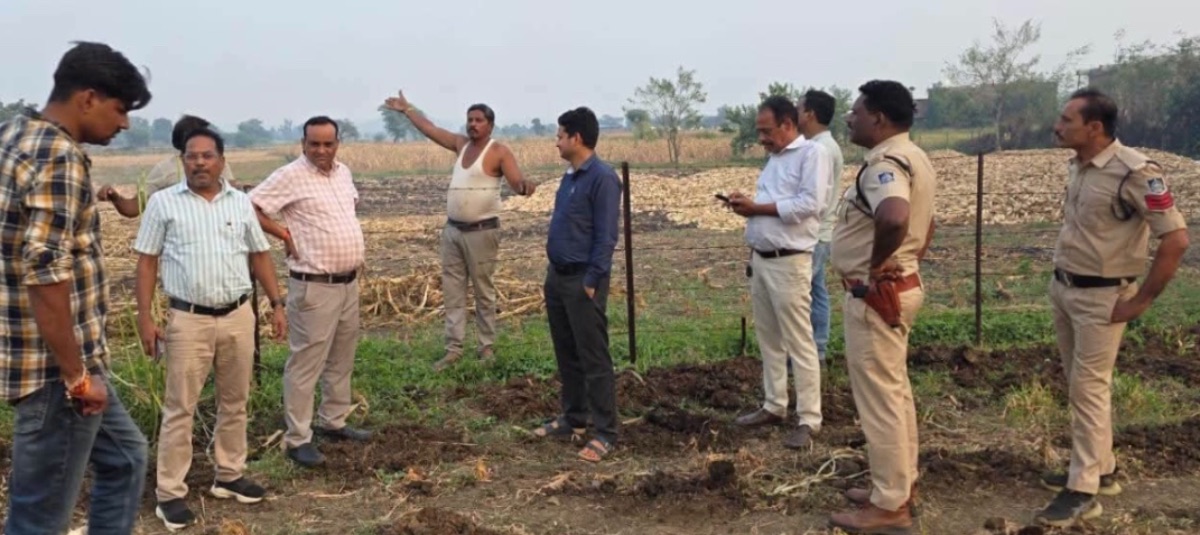
गुना | राजा हतम वेग
Administration Takes Strict Action Against Crop Residue Burning
The administration in Guna district has taken a stern stance against the practice of burning crop residue, known locally as 'narwai'. In compliance with the directives of Collector Kishore Kumar Kanyal, a joint team from the Agriculture and Revenue departments conducted swift operations in the villages of Jhagar and Dhanankhedi.
The enforcement action resulted in the imposition of a total fine of Rs 12,500 on four farmers. The primary objective of this initiative is to sensitize farmers about the severe environmental and health consequences of burning crop stubble.
Farmers Penalized for Environmental Offense
A fine of Rs 5,000 was levied on Shivam, son of Omprakash Kirar, a resident of village Jhagar. Additionally, Gopal, son of Sitaram, Santosh, son of Vijay, and Jagdish, son of Radhakishan, all from village Dhanankhedi, were each fined Rs 2,500.
These farmers were found guilty of burning the stubble left after harvesting crops. This practice not only diminishes soil fertility but also contributes to air pollution, which is extremely detrimental to public health.
Joint Operation for Environmental Protection
This joint operation was spearheaded by Bamorite Tahsildar Devdatt Goliya, Deputy Director Agriculture Sanjeev Sharma, Revenue Inspector Kaluram Meena, and AEO Nirmal Panthi. Officials from the Revenue and Agriculture departments were present on-site to assess the situation.
Through this action, the administration has sent a clear message that activities like burning crop residue will not be tolerated. The campaign specifically targeted areas where such incidents were more prevalent, aiming to create a deterrent effect.
Educating Farmers on Sustainable Practices
Officials from the Agriculture and Revenue departments engaged with farmers, highlighting the importance of crop residue management. They explained that burning stubble destroys beneficial microorganisms in the soil, leading to long-term negative impacts on its fertility.
Furthermore, they warned about the risk of damage to surrounding areas due to the spread of fire. The departments emphasized that these practices pose a significant threat to the environment and community well-being.
Appeal for Alternative Methods
The Agriculture Department has urged farmers to adopt suggested alternative and eco-friendly methods for managing stubble instead of resorting to burning. These methods include incorporating stubble into the soil through plowing to convert it into manure, composting, or utilizing other scientific techniques such as the Happy Seeder.
The department stressed that such methods not only protect the environment but also help maintain soil fertility, potentially leading to increased crop yields in the long run. The administration aims to completely prevent such incidents in the future and encourage farmers towards sustainable agricultural practices.
Future Plans for Awareness and Training
The department plans to conduct regular awareness programs and training workshops to familiarize farmers with modern and environmentally friendly agricultural techniques. The goal is to ensure that crop residue management becomes a sustainable practice.