
Dutch Birdwatcher Identified As ‘Patient Zero’ In Deadly Hantavirus Cruise Ship Outbreak
Dutch ornithologist Leo Schilperoord has been identified by Argentine authorities as the suspected “patient zero” in the deadly hantavirus outbreak linked to the expedition cruise...
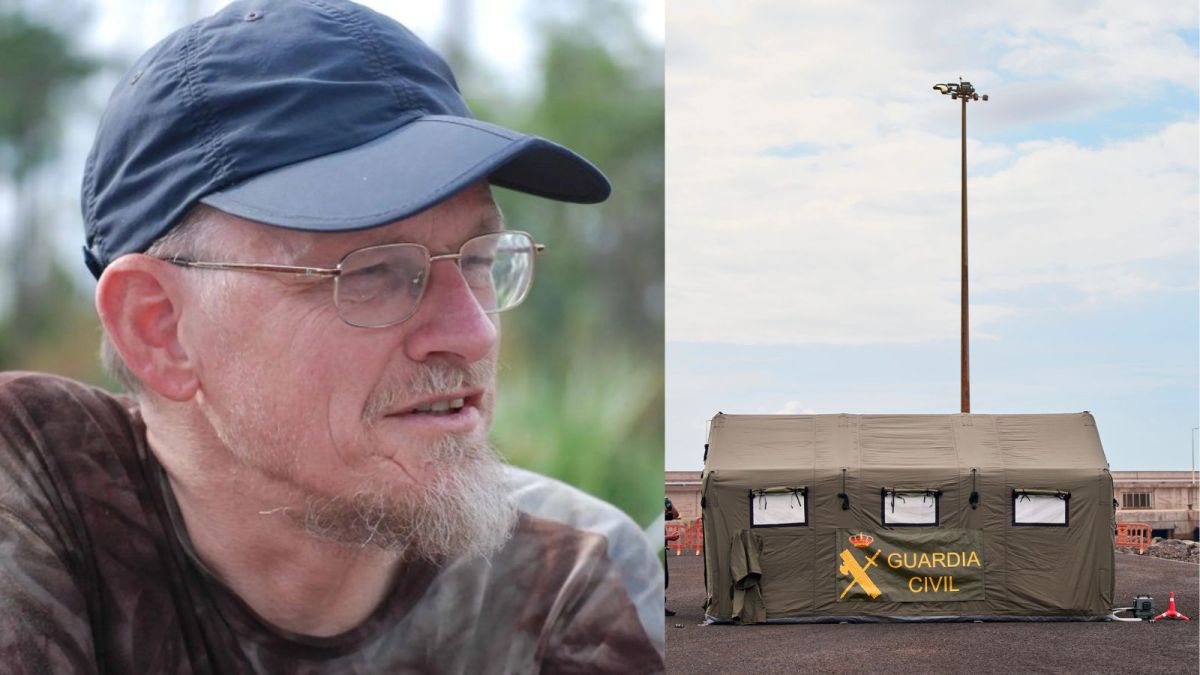
Dutch ornithologist Leo Schilperoord has been identified by Argentine authorities as the suspected “patient zero” in the deadly hantavirus outbreak linked to the expedition cruise ship MV Hondius. Investigators believe the 70-year-old contracted the virus during a birdwatching trip to a landfill near Ushuaia, Argentina, before boarding the vessel with his wife.
What happened
- Authorities believe Leo and Mirjam Schilperoord were exposed to hantavirus in late March
- The couple reportedly visited a landfill popular among birdwatchers near Ushuaia
- Investigators suspect they inhaled virus particles from infected rodent droppings
- The virus involved is believed to be the Andes strain, known for rare person-to-person transmission
- Leo developed symptoms aboard the MV Hondius and died days later
- Mirjam later collapsed in Johannesburg airport and also died
How the outbreak unfolded
- The couple boarded the MV Hondius on April 1 with over 100 passengers and crew
- Leo showed symptoms including fever, headache, stomach pain, and diarrhea on April 6
- He died aboard the ship five days later
- A cluster of severe respiratory illnesses was reported to the WHO on May 2
- By then, dozens of passengers had already disembarked on Atlantic islands
Why it matters
The case has raised global concern because the Andes strain of hantavirus is one of the few known variants capable of spreading between humans. The outbreak also highlighted the risks associated with remote travel, wildlife exposure, and delayed disease detection during international voyages.
What changes
- Health screening protocols for expedition cruises may tighten
- Authorities could increase monitoring of wildlife-linked diseases
- Birdwatching and eco-tourism activities near high-risk areas may face stricter safety guidance
- International coordination on outbreak response may intensify
Who is affected
- Passengers and crew aboard the MV Hondius
- Public health agencies tracking the outbreak
- International travelers and expedition cruise operators
- Wildlife tourism and eco-travel communities
What to watch next
Health authorities are continuing investigations into how the virus spread aboard the ship and whether additional cases emerge. Researchers are also expected to study the outbreak closely to better understand person-to-person transmission risks linked to the Andes hantavirus strain.