
Dual-Drug Breakthrough Offers New Hope for Men Battling Recurrent Prostate Cancer
Major Clinical Advance in Prostate Cancer Care A groundbreaking international study has unveiled a new treatment strategy that could transform how doctors manage recurrent prostate...
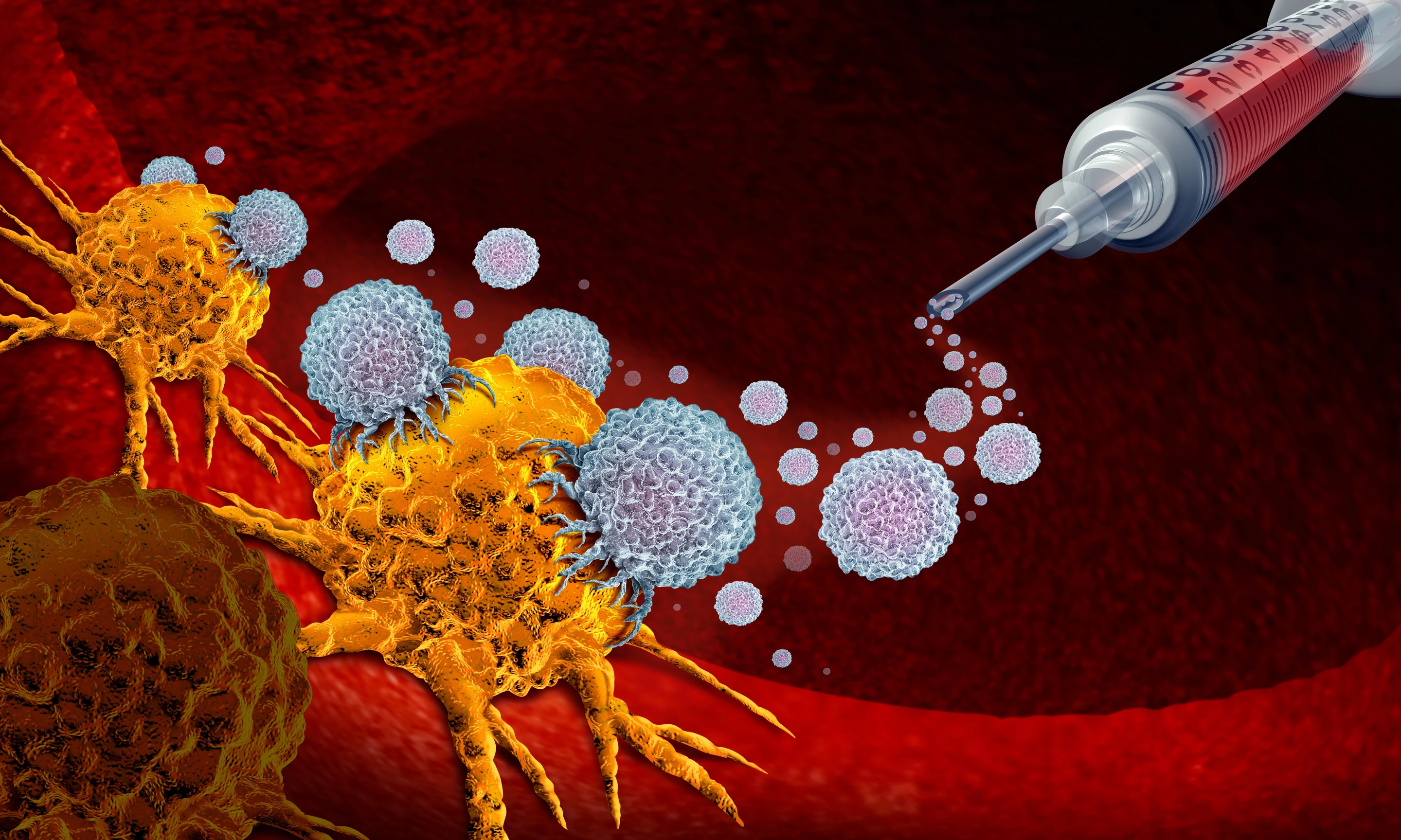
Major Clinical Advance in Prostate Cancer Care
A groundbreaking international study has unveiled a new treatment strategy that could transform how doctors manage recurrent prostate cancer—one of the most common and challenging malignancies in men.
The phase 3 EMBARK trial, published October 19 in the New England Journal of Medicine, shows that a combination of two widely used drugs—enzalutamide and leuprolide—reduced the risk of death by nearly 40% compared with standard therapy alone.
Researchers say the results mark a pivotal step toward improving survival for men whose cancer resurfaces after initial treatment through surgery or radiation.
“This study provides compelling evidence that earlier intervention with combination therapy can extend life expectancy and delay disease progression in men at high risk of recurrence,” said Dr. Christopher Sweeney, an oncologist involved in the trial, in a statement shared by Pfizer.
Why It Matters
Prostate cancer remains the second most diagnosed cancer among men worldwide, according to the World Health Organization. While many cases are successfully treated, up to one in three patients experience a recurrence, often detected through rising prostate-specific antigen (PSA) levels long before symptoms appear.
Patients with rapidly increasing PSA levels—especially those whose PSA doubles in nine months or less—face a heightened risk of the disease spreading to bones or other organs. Until now, treatment options for these men were limited, leaving oncologists struggling to balance effective cancer control with quality of life.
Inside the EMBARK Trial
The EMBARK trial, funded by Pfizer and Astellas Pharma, enrolled more than 1,000 men across 244 sites in 17 countries, all diagnosed with high-risk recurrent prostate cancer. Participants were divided into three groups:
-
Leuprolide alone, a standard hormone therapy that suppresses testosterone.
-
Enzalutamide alone, an androgen receptor blocker that prevents cancer cells from using male hormones to grow.
-
A combination of both drugs.
While the drug duo is already approved by the U.S. Food and Drug Administration for metastatic prostate cancer, the study explored whether introducing it **earlier—before metastasis—**could extend survival and delay disease progression.
Striking Results
After eight years of follow-up, patients receiving the combination therapy achieved an overall survival rate of 78.9%, compared with 69.5% in the leuprolide-only group. Those who took enzalutamide alone showed a 73% survival rate—an improvement, but not as pronounced as the combination.
Researchers highlighted that the therapy was well-tolerated and generally safe, with side effects consistent with prior data on both drugs.
“These findings reinforce that targeting the androgen receptor pathway early can make a life-saving difference,” said Dr. Neal Shore, a principal investigator in the study.
Caveats and Future Directions
The study did have limitations. Notably, researchers did not use PSMA PET scans, a newer imaging technique that can detect tiny cancer deposits missed by conventional scans. This means some participants may have had undiagnosed metastatic disease, potentially influencing outcomes.
Still, oncologists say the trial’s results are robust and clinically meaningful. The data could prompt updates to global treatment guidelines, positioning enzalutamide-plus-leuprolide as a new standard of care for high-risk patients with recurrent prostate cancer.
A Turning Point for Men’s Health
For thousands of men facing the uncertainty of a cancer comeback, the EMBARK results bring tangible optimism. By repurposing two familiar drugs in a smarter, earlier combination, scientists have opened the door to longer survival and improved quality of life.
As Dr. Sweeney summed up, “We’re entering a new era where prostate cancer relapse doesn’t have to mean limited options—it can mean renewed hope.”