
Chronic Kidney Disease Now 9th Leading Global Killer, Lancet Study Warns; India Faces Second-Highest Burden
New Delhi: Chronic Kidney Disease (CKD) has emerged as one of the world’s fastest-growing health threats, climbing to the ninth leading cause of death globally,...
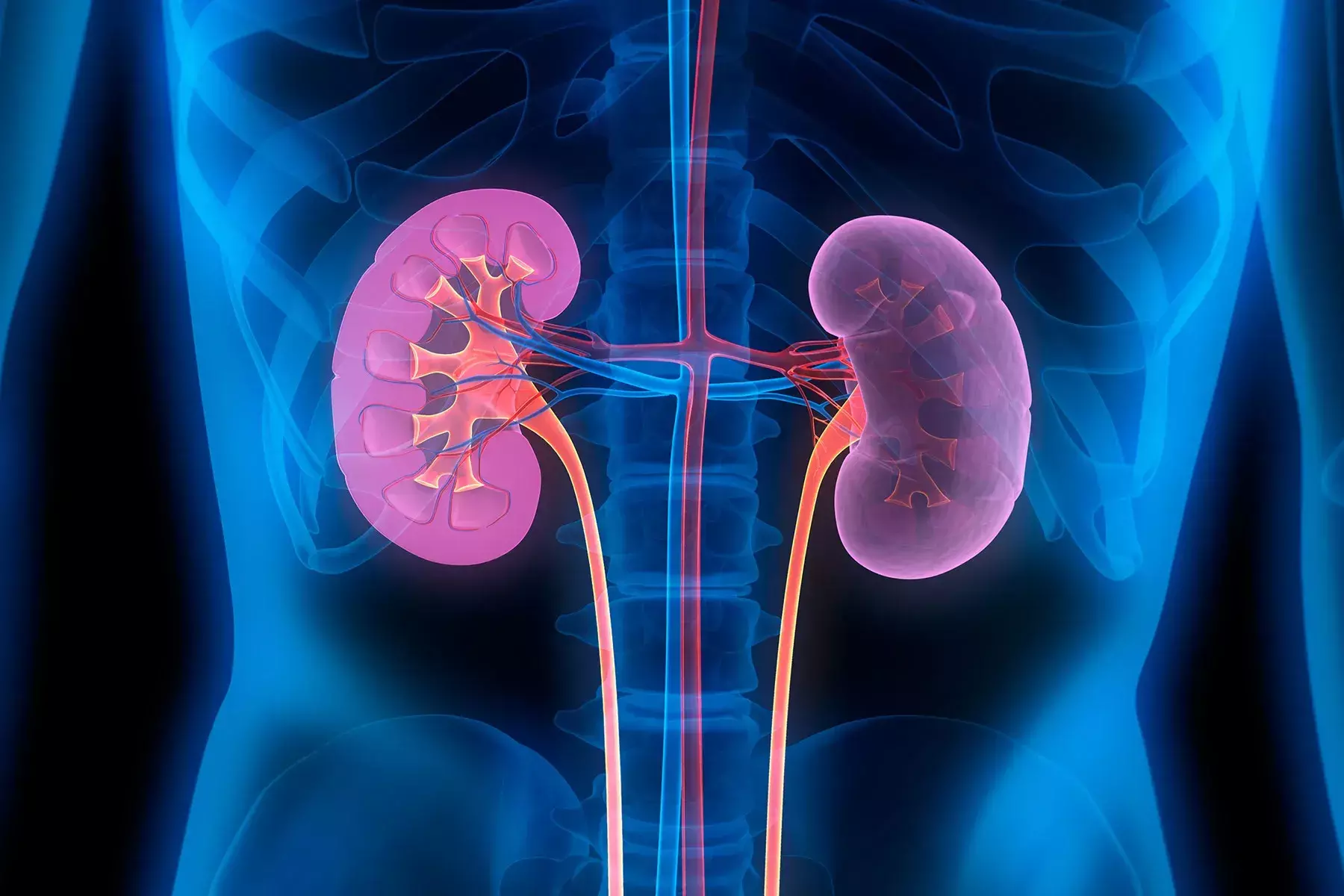
New Delhi: Chronic Kidney Disease (CKD) has emerged as one of the world’s fastest-growing health threats, climbing to the ninth leading cause of death globally, according to a major Lancet study led by the University of Glasgow. For India, the findings carry particular urgency: the country recorded the second-highest number of CKD cases in 2023, with an estimated 138 million adults living with impaired kidney function.
India at the Centre of a Global Kidney Disease Crisis
The latest Global Burden of Disease (GBD) 2023 analysis shows that CKD has more than doubled worldwide in the last three decades. Cases surged from 378 million in 1990 to 788 million in 2023, pushing the global adult prevalence to 14.2%.
South Asia — including India — is among the most affected regions, with a 15.8% prevalence, far above the global average. Public health experts say this rise aligns closely with increasing rates of diabetes, hypertension, and obesity, all of which heighten CKD risk.
Crucially, CKD’s danger extends beyond kidney failure. Reduced kidney function contributed to 11.5% of all cardiovascular deaths worldwide in 2023, making it the seventh-largest driver of global heart-related mortality.
A “Silent” Disease Often Detected Too Late
Early-stage CKD rarely causes noticeable symptoms, which means millions of Indians may be unaware they are living with the condition. As a result, many patients seek medical help only after substantial kidney damage has already occurred.
Doctors say this lack of awareness, combined with limited routine screening, is a major reason CKD has become a significant public health burden in India.
Study Authors Call for National Screening and Public Awareness Drives
Lead researcher Prof. Patrick Mark of the University of Glasgow said the findings should act as a “wake-up call” for governments.
He emphasized that health systems must “consider screening strategies and increase public awareness” to prevent CKD from escalating further.
Experts recommend regular kidney function testing for high-risk groups — including people with diabetes, high blood pressure, or a family history of kidney disease. Medical treatments for slowing CKD progression have improved considerably in recent years, making early diagnosis especially critical.
Global Health Bodies Take Notice
The growing burden of CKD has now shifted global policy priorities.
-
The United Nations has listed CKD among major global health concerns.
-
In May 2025, the World Health Organization (WHO) added CKD to its official agenda for reducing premature deaths from non-communicable diseases by one-third by 2030.
Health policymakers believe that placing CKD alongside cancer and cardiovascular disease will accelerate national screening programmes and prevention initiatives, particularly in high-burden countries like India.
Why This Matters for India
-
India’s large population with diabetes and hypertension increases vulnerability to CKD.
-
Early detection remains low, especially in rural regions lacking regular health screenings.
-
Without intervention, experts warn that CKD may evolve into one of India’s major contributors to premature death and economic strain on healthcare systems.