
Cervical cancer: The preventable disease still claiming hundreds of thousands of lives
Cervical cancer, the fourth most common cancer among women, continues to kill at alarming rates even as global health agencies stress that it can be...
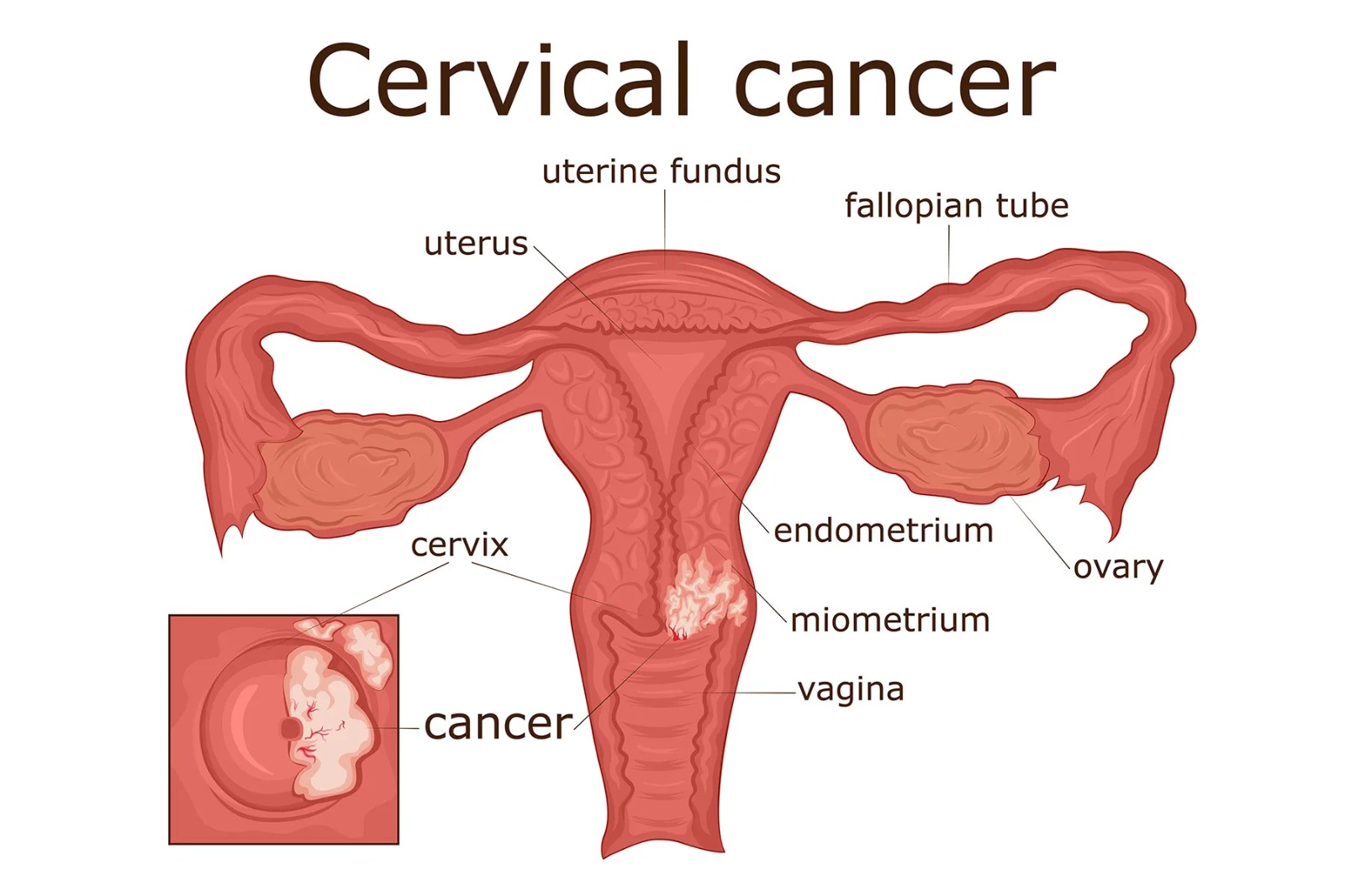
Cervical cancer, the fourth most common cancer among women, continues to kill at alarming rates even as global health agencies stress that it can be stopped.
The World Health Organization (WHO) says the illness is both preventable and curable when detected early, yet in 2022 alone, about 660,000 women were diagnosed and nearly 350,000 died. For many families, those numbers translate into sudden, irreversible loss.
Jeanette, diagnosed at 31, told WHO she felt “betrayed by my body.” She died within a year. Her story reflects the human cost behind global statistics.
What cervical cancer is and why it spreads
Cervical cancer develops in the cervix and can spread if untreated. Nearly all cases are caused by human papillomavirus (HPV), a common sexually transmitted infection.
Most people clear HPV naturally. But persistent infection with high-risk strains can trigger abnormal cell growth that may turn cancerous over time. Without screening, these changes often go unnoticed until the disease is advanced.
How it can be prevented and treated
Health experts agree the tools to stop cervical cancer already exist.
WHO recommends:
-
HPV vaccination for girls aged 9–14, before sexual activity.
-
Cervical screening from age 30 or 25 for women living with HIV.
When found early, cervical cancer is one of the most treatable cancers, with high survival rates. Treatment options include surgery, radiotherapy, and chemotherapy depending on stage.
Yet unequal access to vaccines, tests, and treatment remains the biggest barrier.
The global response to eliminate the disease
In 2020, 194 countries adopted a worldwide strategy to eliminate cervical cancer. 17 November is now marked as World Cervical Cancer Elimination Day.
The plan sets three goals for 2030:
-
90 percent of girls fully vaccinated against HPV by age 15.
-
70 percent of women screened by 35 and again by 45.
-
70 percent of diagnosed women receiving treatment.
If fully implemented, WHO estimates the effort could prevent 74 million new cases and save 62 million lives by 2120.
Why this matters now
Cervical cancer remains a public health failure, not a medical mystery. UNICEF warns that a woman dies every two minutes from a disease that can be stopped.
For governments, the stakes include health system credibility, economic productivity, and women’s rights. For families, it means whether mothers, daughters, and partners survive a preventable illness.
Multiple perspectives
Health officials say the science is clear. WHO calls elimination “achievable within our lifetime” if countries scale up vaccines and screening.
Public health experts caution that without funding, rural outreach, and cultural acceptance of screening, progress will remain uneven.
Women’s health advocates stress that access gaps are not biological, but political and economic.