
ByteDance Plans AI Chip Push, Holds Manufacturing Talks With Samsung Amid Global Tech Race
TikTok parent ByteDance is reportedly developing its own AI processor to secure future computing power.Sources say the company aims to produce at least 100,000 chips...
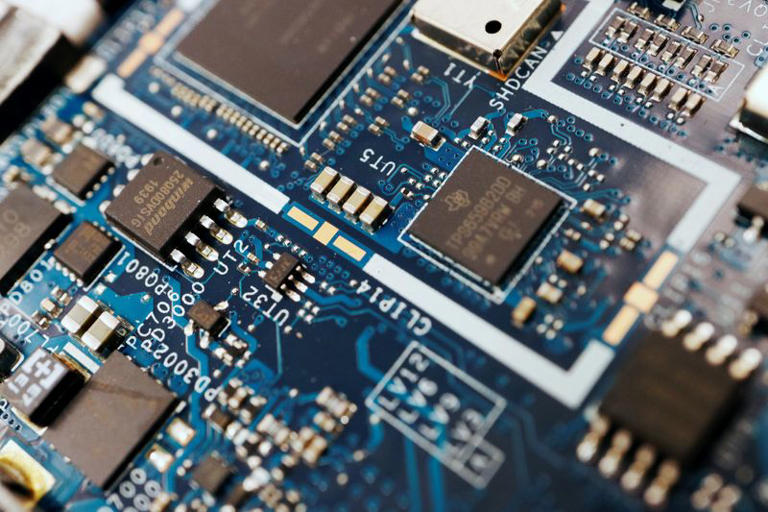
TikTok parent ByteDance is reportedly developing its own AI processor to secure future computing power.
Sources say the company aims to produce at least 100,000 chips in 2026, signaling a major strategic shift.
The move reflects rising competition and supply pressure as global tech giants race to control AI hardware.
Top Summary
What happened:
ByteDance is developing an in-house artificial intelligence chip and is in talks with Samsung Electronics over manufacturing and memory supply, according to sources familiar with the matter.
Why it matters now:
The project highlights how major tech firms are trying to reduce dependence on Nvidia and secure hardware amid global AI chip shortages and export restrictions.
What changes for people:
Faster AI development could impact social media, e-commerce and enterprise cloud services tied to ByteDance platforms like TikTok.
Who is affected:
Global semiconductor suppliers, AI startups, content platforms, investors and the wider tech industry.
Inside ByteDance’s AI Chip Strategy
ByteDance is accelerating its push into custom silicon as competition in artificial intelligence infrastructure intensifies.
Sources told Reuters the company hopes to receive sample chips by the end of March and plans to produce at least 100,000 units this year, potentially scaling to 350,000 units over time.
The chip — reportedly focused on AI inference tasks — would help power recommendation algorithms, content moderation tools and enterprise AI services across ByteDance’s expanding ecosystem.
A company spokesperson, however, said reports about an in-house chip project were inaccurate, while Samsung declined to comment publicly.
Why Tech Giants Are Building Their Own Chips
The push mirrors a broader industry trend.
Companies like Google, Amazon and Microsoft have already developed custom AI processors to reduce reliance on Nvidia’s expensive hardware.
For Chinese technology firms, U.S. export controls on advanced chips have added urgency to domestic innovation. Developing proprietary processors allows companies to maintain growth even under geopolitical constraints.
ByteDance’s reported project — codenamed SeedChip — is part of a larger AI investment strategy tied to large language models and cloud services.
The Samsung Negotiations and Supply Challenge
One of the most significant aspects of the reported talks involves access to high-bandwidth memory chips, which remain in extremely short supply due to global AI infrastructure demand.
Industry analysts say a manufacturing agreement with Samsung could help ByteDance secure a more stable hardware pipeline at a time when supply chains remain volatile.
Sources also indicated ByteDance plans to spend more than 160 billion yuan (about $22 billion) on AI-related procurement this year, with a large share going toward Nvidia processors alongside internal chip development.
Competition Inside China’s AI Chip Race
ByteDance is not alone in pursuing AI hardware independence.
Alibaba Group recently unveiled its Zhenwu chip aimed at large-scale AI workloads, while Baidu continues to expand its Kunlunxin chip business and may pursue a public listing.
This intensifying race reflects how AI has become a central battleground for China’s technology sector, with companies investing heavily to reduce reliance on foreign suppliers.
Economic and Global Implications
The reported project highlights how AI is reshaping supply chains, investment priorities and international tech competition.
A successful ByteDance chip could:
-
Strengthen China’s domestic semiconductor ecosystem
-
Reduce costs for AI model training and inference
-
Intensify rivalry between U.S. and Asian tech giants
At the same time, skeptics warn that building advanced chips is capital-intensive and technologically challenging, especially as export controls limit access to cutting-edge manufacturing tools.
Multiple Perspectives
Supporters see ByteDance’s chip ambitions as a necessary step toward long-term technological independence.
Critics argue the company faces strong competition from established semiconductor leaders and may struggle to match Nvidia’s performance ecosystem.
Industry insiders also note that custom chips are often designed for specific workloads, meaning success will depend on how effectively ByteDance integrates hardware with its AI software stack.