
Apple roadmap shake-up: No standard iPhone 18 in 2026, AI edge widens, new MacBook Pro plans emerge
Apple is unlikely to launch the standard iPhone 18 in 2026, marking a major shift in its annual release cycle.
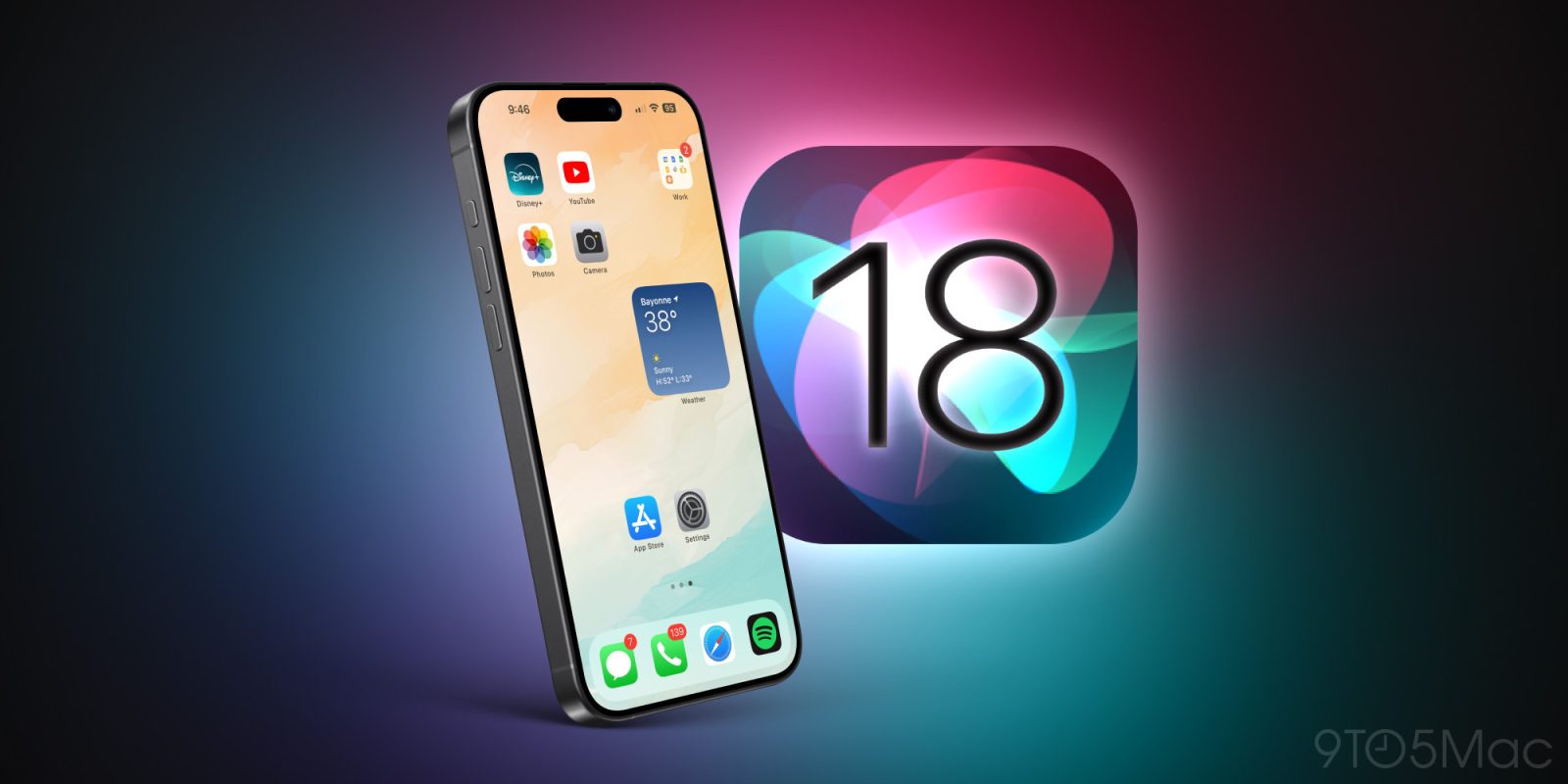
• Apple is unlikely to launch the standard iPhone 18 in 2026, marking a major shift in its annual release cycle
• The company is opening iOS to easier Android switching, signaling regulatory and ecosystem changes
• New MacBook Pro models with upgraded M5 chips are expected in early 2026
• Apple’s AI strategy is quietly strengthening through hardware, software, and data control
Apple’s long-standing product rhythm is showing clear signs of change. Over the past week, multiple reports and beta updates have pointed to a delayed iPhone 18 launch, a more open iOS ecosystem, and new MacBook Pro upgrades planned for 2026, all while Apple continues to build a less visible but powerful advantage in artificial intelligence.
Taken together, these moves suggest Apple is recalibrating its hardware and software strategy for the next phase of growth.
No standard iPhone 18 in 2026
According to industry reports tracking Apple’s supply chain and launch planning, Apple is not expected to ship the standard iPhone 18 in 2026.
Instead, Apple is likely to release:
• iPhone 18 Pro
• iPhone 18 Pro Max
• A foldable iPhone
These models would follow Apple’s usual September launch window. The base iPhone 18, along with variants such as iPhone 18e and iPhone Air 2, is reportedly being held back until early 2027.
This would mark the first time Apple prioritizes premium models so clearly ahead of its mass-market iPhone.
The strategy keeps attention on higher margins, advanced features, and performance-led upgrades.
Why this matters for users and the market
For consumers, this means no new entry-level iPhone upgrade cycle in 2026. Buyers looking for a more affordable refresh may either hold onto older models longer or shift to discounted Pro models.
For Apple, the move:
• Extends the sales life of flagship devices
• Reduces launch crowding
• Keeps media and consumer focus on premium hardware
Analysts see this as Apple testing a staggered iPhone calendar, similar to how it spaces iPads and Macs.
iOS opens the door to Android switching
In a major ecosystem shift, iOS 26.3, currently in beta, introduces an official feature called Transfer to Android.
For the first time, Apple is building a native, first-party tool that allows users to move data from an iPhone to Android without relying on third-party apps.
This is Apple’s most significant step yet toward data portability.
The change mirrors recent Android updates that make switching to iOS easier, suggesting growing pressure from regulators and competition authorities.
For users, this means:
• Easier phone switching
• Reduced ecosystem lock-in
• Greater control over personal data
Apple’s quieter AI advantage
While rivals promote flashy AI demos, Apple’s strength lies in deep integration across chips, software, and on-device processing.
By controlling:
• Custom silicon
• Operating systems
• Hardware-software optimization
Apple can deploy AI features that are faster, more private, and energy-efficient, even if they appear less dramatic in marketing.
Experts note that Apple’s AI strategy is infrastructure-first, positioning it well for long-term gains rather than short-term headlines.
What’s next for MacBooks in 2026
Apple’s Mac lineup is also set for a refresh next year. Reports indicate three clear MacBook tracks for 2026:
• MacBook Air for consumers
• A budget 12-inch MacBook
• High-end MacBook Pro models
The current M5 MacBook Pro launched recently, but only in a 14-inch configuration and without Pro or Max chip options.
In early 2026, Apple is expected to introduce:
• 14-inch and 16-inch MacBook Pro models
• M5 Pro and M5 Max chips
• Improved memory bandwidth and SSD performance
The upgrades are expected to focus on raw performance rather than design changes.