
Anup Jalota’s remark on AR Rahman sparks fresh controversy after communal comment fallout
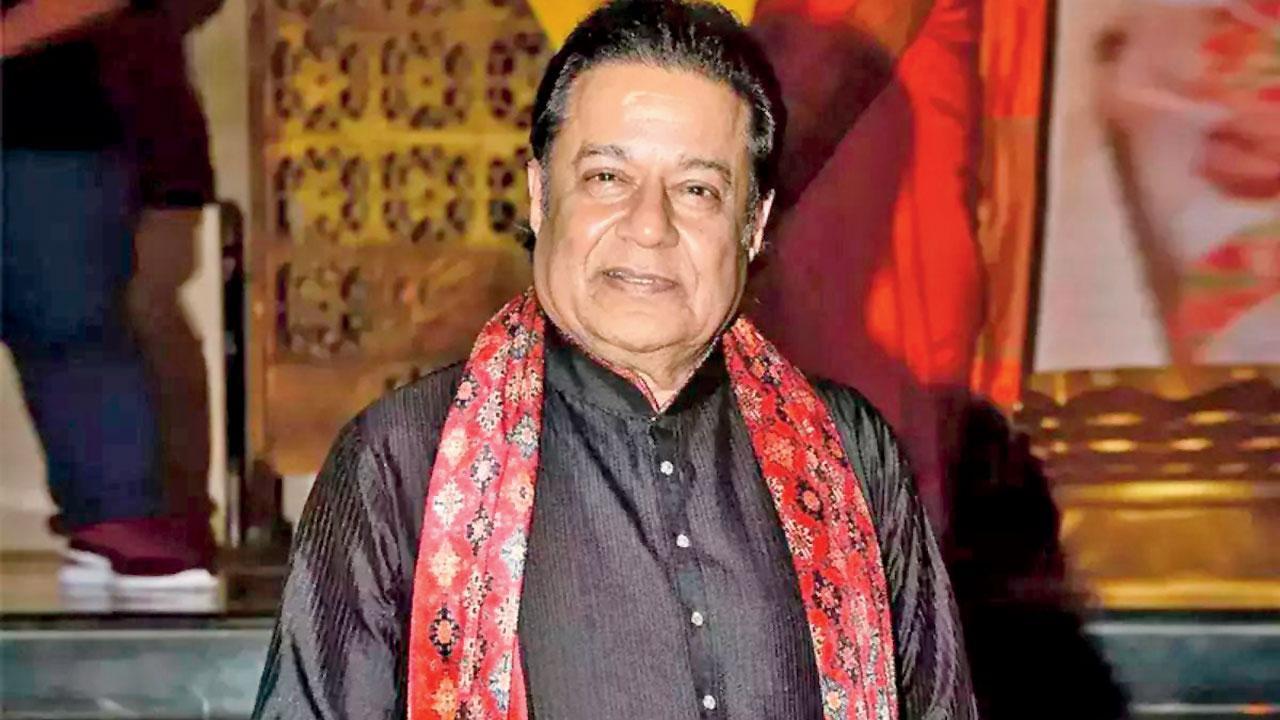
What happened: Singer Anup Jalota made a controversial remark suggesting AR Rahman should convert back to Hinduism if he feels he is losing work due...
-
What happened: Singer Anup Jalota made a controversial remark suggesting AR Rahman should convert back to Hinduism if he feels he is losing work due to religion.
-
Why it matters now: The comment comes days after Rahman’s communal remark triggered backlash and a public apology.
-
What changes for people: The episode has reignited debate around religion, creativity, and power dynamics in the film industry.
-
Who is affected: AR Rahman, artists in the Indian music and film industry, and audiences watching the cultural discourse unfold.
A new flashpoint has emerged in the ongoing debate around AR Rahman’s recent remarks, after veteran singer Anup Jalota publicly took a swipe at the Oscar-winning composer in a video now circulating on social media.
Jalota said he disagreed with Rahman’s views and made a provocative suggestion linking religion and professional opportunities, drawing sharp reactions online.
What Anup Jalota said
In the video, Anup Jalota referred to Rahman’s religious journey and questioned his belief that faith could be a factor in losing work opportunities.
Jalota said that if Rahman believes he is not being offered film projects because he is Muslim, then he should consider becoming Hindu again and test whether work resumes.
Underline: The remark directly tied artistic opportunities to religious identity, triggering criticism from multiple quarters.
The comments were widely shared, with many calling them insensitive, while others defended Jalota’s remarks as sarcasm or personal opinion.
How the controversy began
The issue traces back to AR Rahman’s interview with BBC Asian Network, where he was asked if he faced prejudice in the Hindi film industry as a Tamil composer.
Rahman said he had not felt discrimination directly but suggested that in recent years, a shift in power dynamics may have reduced opportunities for creative voices. He added that it “might be a communal thing”, though not overtly expressed.
He also criticised the film Chhaava, saying it capitalised on divisiveness, which further amplified the backlash.
Rahman issues clarification and apology
Following criticism, AR Rahman released a video statement, apologising for any pain caused by his remarks.
He said his intention was never to divide, adding that music has always been his way of celebrating Indian culture and connecting people across backgrounds.
Underline: Rahman said India remains his inspiration and home, and that his work is meant to uplift and unite.
Industry context and reactions
Observers say the exchange highlights deep sensitivities around religion, politics, and creative freedom in India’s entertainment industry.
While Rahman continues to be one of the country’s most respected composers, the episode shows how public statements by artists are increasingly scrutinised and quickly politicised.
At present, Rahman remains professionally active and is working on Nitesh Tiwari’s Ramayana, collaborating with Grammy-winning composer Hans Zimmer.
Why this matters now
The controversy goes beyond individual remarks. It reflects a broader debate about who holds power in cultural spaces, how artists express dissent, and where lines are drawn in public discourse.