
6 “Healthy” Foods That Secretly Damage Your Gut, Warns Harvard-Trained Gastroenterologist
When “Healthy” Isn’t Healthy for Your Gut Gut health has become a central topic in wellness conversations, linked to immunity, mood regulation, and even chronic...
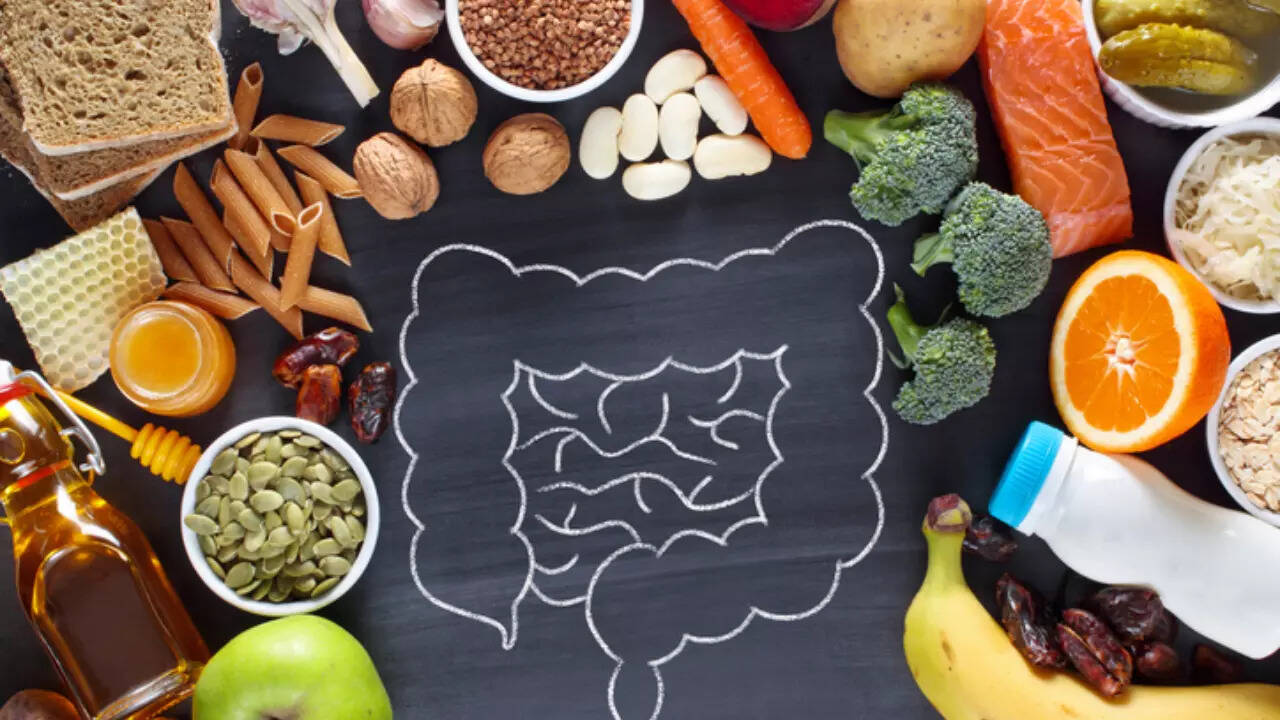
When “Healthy” Isn’t Healthy for Your Gut
Gut health has become a central topic in wellness conversations, linked to immunity, mood regulation, and even chronic disease prevention. Yet, many foods marketed as “healthy” may actually be sabotaging digestive health.
Dr. Saurabh Sethi, a gastroenterologist trained at Harvard and Stanford, recently identified six everyday foods that can cause inflammation, disrupt gut bacteria, and weaken intestinal integrity — even when consumed with good intentions.
1. Flavored Yogurts: Sugar Over Probiotics
While yogurt is often promoted as a probiotic-rich superfood, Dr. Sethi warns that flavored varieties do more harm than good. Many commercial yogurts contain high levels of added sugar and artificial sweeteners that disrupt the balance of beneficial bacteria such as Lactobacillus and Bifidobacterium.
“The probiotic benefits are lost when sugar and synthetic flavoring overwhelm the live cultures,” Dr. Sethi explained in a recent health advisory. Instead, he recommends opting for plain yogurt topped with fresh fruit for natural sweetness.
2. Protein Bars: Hidden Gut Irritants
Protein bars are popular as post-workout snacks, but many are packed with sugar alcohols like sorbitol and maltitol, which can cause bloating, cramps, and microbial imbalance. These ingredients also promote “leaky gut,” a condition where the intestinal lining becomes more permeable, leading to inflammation.
According to Dr. Sethi, “Whole protein sources such as eggs, tofu, and nuts provide cleaner nutrition without compromising gut health.”
3. Granola and Breakfast Cereals: Sweetened Traps
Despite being marketed as nutritious breakfast staples, most granola and cereals contain added sugars, refined oils, and preservatives that damage gut bacterial diversity. Regular consumption, Dr. Sethi notes, can reduce the body’s ability to process fiber efficiently — a key element in maintaining gut health.
A better option? Homemade oats mixed with chia seeds and berries, offering a balance of fiber, antioxidants, and natural sweetness.
4. Zero-Calorie Drinks and Diet Sodas: Artificial Disruption
Zero-calorie beverages may appear harmless, but the artificial sweeteners used — such as aspartame, sucralose, and saccharin — can disrupt microbial balance in the gut.
Research from multiple international nutrition studies shows that long-term intake of these sweeteners can impair glucose tolerance and trigger inflammatory pathways.
Dr. Sethi recommends replacing diet sodas with sparkling water infused with lemon or mint for a refreshing, gut-friendly alternative.
5. Packaged Salad Dressings: Preservatives with a Price
Commercial salad dressings, even those labeled “low-fat” or “light,” often contain emulsifiers, seed oils, preservatives, and sugar that erode the gut lining over time. These additives can cause low-grade inflammation and alter bacterial composition.
Dr. Sethi suggests preparing homemade dressings using extra virgin olive oil, lemon juice, and herbs — ingredients that enhance both taste and gut resilience.
6. Flavored Plant-Based Milks: Sugary Substitutes
Plant-based milks have become a go-to dairy alternative, but flavored varieties can contain as much sugar as soft drinks. Over time, these sugars can damage the intestinal barrier and increase inflammation.
For those with lactose intolerance, Dr. Sethi advises choosing unsweetened almond or soy milk free from preservatives or synthetic flavoring.
Why Gut Health Deserves More Attention
A healthy gut is vital for nutrient absorption, immune defense, and mental well-being. Imbalances in gut microbiota — known as dysbiosis — have been linked to metabolic disorders, autoimmune diseases, and mood disturbances.
Experts now emphasize the importance of consuming whole, minimally processed foods rich in fiber, prebiotics, and natural probiotics to sustain long-term digestive health.
“Your gut is like an ecosystem,” Dr. Sethi noted. “What you feed it determines how well it protects you.”
In Short:
The path to good gut health doesn’t lie in packaged “wellness” products but in real, whole foods. Making small swaps — like ditching flavored yogurt for plain, or protein bars for nuts — can significantly improve digestion, reduce inflammation, and enhance overall vitality.