
Zohran Mamdani Becomes New York’s Youngest Mayor, Marking a Milestone for Indian-Americans in U.S. Politics
A Historic Moment for Representation Zohran Mamdani’s election as New York City’s Mayor marks a watershed in American politics. At 34, the Ugandan-born son of...
A Historic Moment for Representation
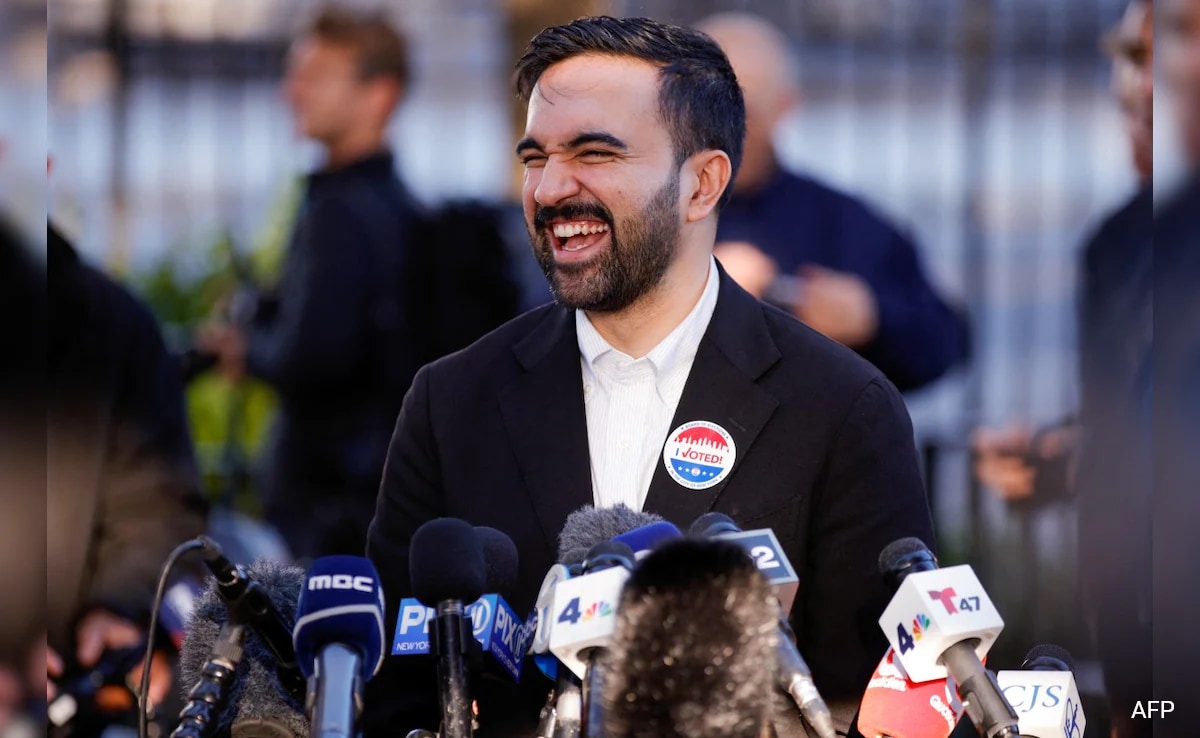
Zohran Mamdani’s election as New York City’s Mayor marks a watershed in American politics. At 34, the Ugandan-born son of Indian immigrants becomes not only the city’s youngest mayor but also one of the most prominent Indian-American politicians to hold executive office in the United States.
Mamdani, a Democrat and a community organizer turned lawmaker, won on a progressive platform centered on affordable housing, equitable public transit, and free childcare. His victory reflects the increasing diversity and political engagement of South Asian Americans — a demographic that has grown from under one percent of U.S. elected officials in 2010 to a record number in 2025.
From the “Samosa Caucus” to City Hall
Indian-American political representation has expanded dramatically in the past decade. When California’s Ami Bera entered the U.S. House of Representatives in 2013, he joined a small and largely symbolic group of lawmakers of Indian origin.
Today, that number stands at six, informally known as the “Samosa Caucus,” comprising Reps. Ami Bera, Ro Khanna, Raja Krishnamoorthi, Pramila Jayapal, Shri Thanedar, and newly elected Suhas Subramanyam from Virginia, who takes office in 2026. That represents a 500 percent increase in just over a decade — a remarkable rise in a country where political power has long been concentrated among older, established communities.
This surge is mirrored at the state level. According to data compiled by the Indian American Impact Fund, the number of Indian-Americans serving in state legislatures has grown from fewer than ten in 2013 to nearly fifty in 2025 — a 400 percent increase.
Breaking Barriers Beyond Congress
Alongside Mamdani, Ghazala Hashmi — born in Hyderabad, India — was elected as Virginia’s Lieutenant Governor, becoming both the first Muslim and the first South Asian woman to hold the office. Hashmi, who has served in the Virginia Senate since 2020, represents another milestone in the growing political participation of Indian-origin women.
Meanwhile, several other Indian-Americans contested mayoral races across the country, including Satish Garimella in North Carolina and Dini Ajmani in New Jersey. Their candidacies underscore how local and state offices have become crucial entry points for South Asian political influence.
The Expanding Reach of Indian-American Power
Beyond elected roles, Indian-Americans have increasingly taken senior positions in U.S. federal agencies. Reports suggest that as of late 2025, more than 130 individuals of Indian descent serve in federal leadership positions, many appointed under the Biden administration.
While high-profile figures like Vice President Kamala Harris and former Louisiana Governor Bobby Jindal have often downplayed their ethnic roots, the latest generation of leaders — including Mamdani, Hashmi, and Subramanyam — openly embrace their cultural heritage and faith identities. Analysts say this signals a shift in how Indian-Americans see their dual identities as both fully American and deeply connected to their origins.
Why It Matters
Political experts say this surge in Indian-American representation carries implications far beyond symbolism.
“Having more Indian-origin lawmakers means greater advocacy on issues such as immigration reform, skilled-worker visas, and racial equality,” said Dr. Varun Patel, a political scientist at Georgetown University. “It also enhances the U.S.-India relationship, as these leaders serve as cultural and diplomatic bridges.”
The growing political influence of the Indian diaspora also intersects with global economic and diplomatic interests. Indian-Americans have long been a major source of campaign donations for both major U.S. parties. As the United States and India deepen cooperation on defense, trade, and technology, their voices in policymaking circles carry greater weight.
Challenges Ahead
For Mamdani, the challenges begin immediately. New York faces soaring housing costs, widening income inequality, and concerns about public safety — all issues central to his campaign. His administration’s ability to deliver tangible change will be closely watched, both domestically and internationally.
Meanwhile, the broader question remains: can this new generation of Indian-American leaders convert representation into real influence — shaping policies not only through their heritage but through the inclusive, progressive values they represent?
In Context:
Zohran Mamdani’s election is not just a New York story. It is the latest chapter in the evolving narrative of America’s immigrant communities finding their political voice — one that mirrors the country’s own shifting identity.