
Zelenskyy warns US–Iran tensions could derail Ukraine peace talks in UAE
What happened: Ukrainian President Volodymyr Zelenskyy expressed concern that rising U.S.–Iran tensions may delay crucial Russia-Ukraine peace talks planned in Abu Dhabi this Sunday. Why...
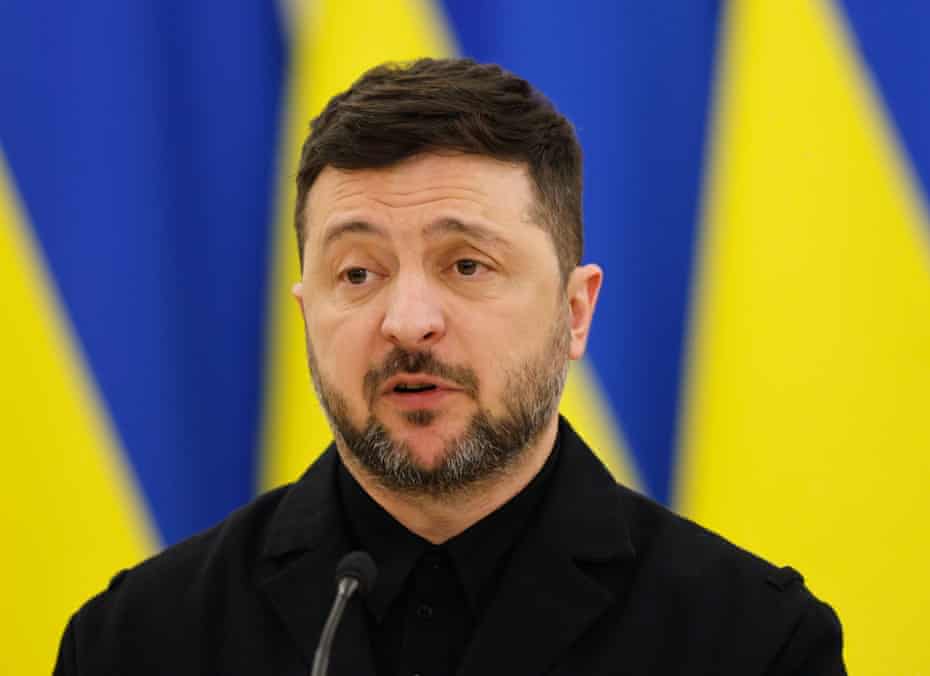
What happened: Ukrainian President Volodymyr Zelenskyy expressed concern that rising U.S.–Iran tensions may delay crucial Russia-Ukraine peace talks planned in Abu Dhabi this Sunday.
Why it matters now: A rare pause in frontline hostilities has created a narrow window for diplomacy, and any shift in global geopolitical focus could shut it quickly.
What changes for people: A delayed or disrupted dialogue risks prolonging the conflict, affecting civilian safety, aid delivery, and regional stability.
Who is affected: Ukraine’s frontline communities, international mediators, Gulf hosts, and partners backing diplomatic negotiations.
A fragile moment of calm in the Russia-Ukraine war, now in day 1,438, is at risk as global attention shifts to escalating tensions between the United States and Iran.
President Volodymyr Zelenskyy has warned that the brewing standoff could undermine preparations for high-stakes discussions scheduled in the UAE, a meeting seen as one of the most promising diplomatic openings in months.
A rare diplomatic window under threat
The upcoming talks in Abu Dhabi were designed to revive stalled discussions on humanitarian corridors, detainee exchanges and initial frameworks for a broader peace roadmap.
However, Zelenskyy fears the agenda could be pushed aside if global powers divert their focus to the deepening U.S.–Iran confrontation.
Ukrainian officials said even a short delay could “reset momentum” at a time when battlefield activity has slowed and both sides appear cautiously receptive to structured dialogue.
Why U.S.–Iran tensions matter for Ukraine
Washington plays a central role in supporting Ukraine militarily and diplomatically.
A sudden strategic shift toward managing a Middle East crisis could:
Reduce U.S. bandwidth for mediation
Slow coordination with European partners
Limit political pressure on Moscow
Affect commitments around security guarantees and aid
Analysts say Iran’s growing alignment with Russia, including drone supplies, makes the geopolitical overlap even more sensitive.
Officials try to keep talks on track
Diplomatic sources in the Gulf say preparations for Sunday’s meeting are continuing, but the situation remains fluid.
The UAE has been working closely with Kyiv, Moscow and Western partners to ensure all sides arrive with clear deliverables.
Zelenskyy urged allies not to allow external crises to “overshadow or postpone” the effort, calling the talks a critical step toward reducing civilian suffering during winter.
Current battlefield status
Military analysts report:
Reduced Russian ground assaults in recent days
Limited Ukrainian counteraction as both sides regroup
Continued drone and missile activity despite fewer large-scale strikes
The pause has fuelled speculation that multiple actors are testing whether diplomacy has space to advance.
What to watch next
Keep an eye on whether the Abu Dhabi meeting proceeds as scheduled, how Washington prioritises Ukraine amid rising Middle East tensions, and whether Moscow uses the geopolitical distraction to alter battlefield dynamics.