
Yuvraj Singh Opens Up On Early Fatherhood Hesitation, Says Wife Hazel Keech Helped Strengthen Bond With Kids
Former cricketer Yuvraj Singh has spoken candidly about his journey into parenting, revealing he was initially hesitant to handle basic childcare tasks like feeding and...
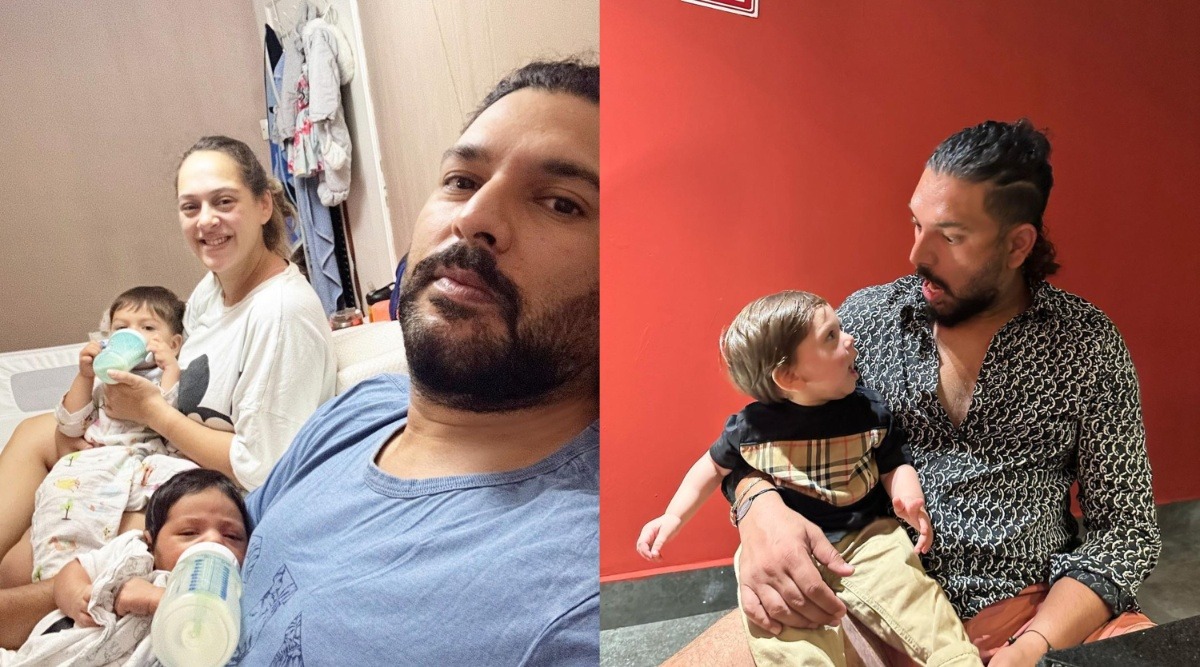
Former cricketer Yuvraj Singh has spoken candidly about his journey into parenting, revealing he was initially hesitant to handle basic childcare tasks like feeding and changing nappies.
He credited his wife Hazel Keech for encouraging him to get involved early, which he says helped build a stronger emotional connection with their children.
Experts say such early caregiving plays a crucial role in shaping long term parent child relationships.
-
What happened: Yuvraj Singh admitted he felt unsure about early childcare responsibilities but was encouraged by Hazel Keech to participate.
-
Why it matters now: His remarks have sparked discussion about modern fatherhood, emotional bonding, and shared parenting roles.
-
What changes for people: The conversation highlights the growing expectation for fathers to be actively involved in early caregiving.
-
Who is affected: Young parents, fathers navigating parenting roles, and families focusing on emotional wellbeing.
Speaking on the podcast Serving It Up With Sania, the 44 year old former Indian cricketer described how his perspective on parenting changed after becoming more involved in daily care routines. He said that while he initially underestimated the importance of early bonding activities, he now feels those moments shaped his strong relationship with his children aged 4 and 2.
How early caregiving changed his parenting approach
Yuvraj Singh shared that he once believed bonding would begin only when children grew older and could interact more actively. However, after participating in feeding and routine care, he realised that emotional connections develop much earlier.
He also reflected on how parenting has changed his outlook, saying experiences like taking his children to picnics and theme parks made him think about moments he wished he had shared more often with his own parents.
Experts explain why early involvement matters
Psychotherapist Delnna Rrajesh said everyday caregiving activities such as feeding, holding, and soothing children create a sense of emotional security from infancy. According to her, many fathers hesitate not due to lack of affection but because traditional social expectations often framed caregiving as a maternal role.
She added that when partners encourage shared parenting, it strengthens emotional development for both the child and the parent, helping build deeper connections over time.
Changing norms around modern fatherhood
Yuvraj Singh’s comments reflect a broader cultural shift where fathers are increasingly expected to participate actively in childcare:
-
Parenting roles: Shared responsibilities are becoming more common in younger families.
-
Emotional wellbeing: Early bonding is linked to long term psychological security in children.
-
Social change: Public conversations by celebrities often influence perceptions around parenting and masculinity.
Experts say modern parenting focuses less on rigid gender roles and more on emotional presence and consistency.
Why this conversation resonates with families
Parenting specialists note that bonding is often built through repeated everyday actions rather than grand gestures. Early involvement can also help parents develop patience, empathy, and emotional awareness, strengthening family dynamics over time.