
Your genes matter more for lifespan today than a century ago — here’s why
New research shows genetics now explains over half of lifespan variation, but not for the reason you might think Top Summary What happened: A new...
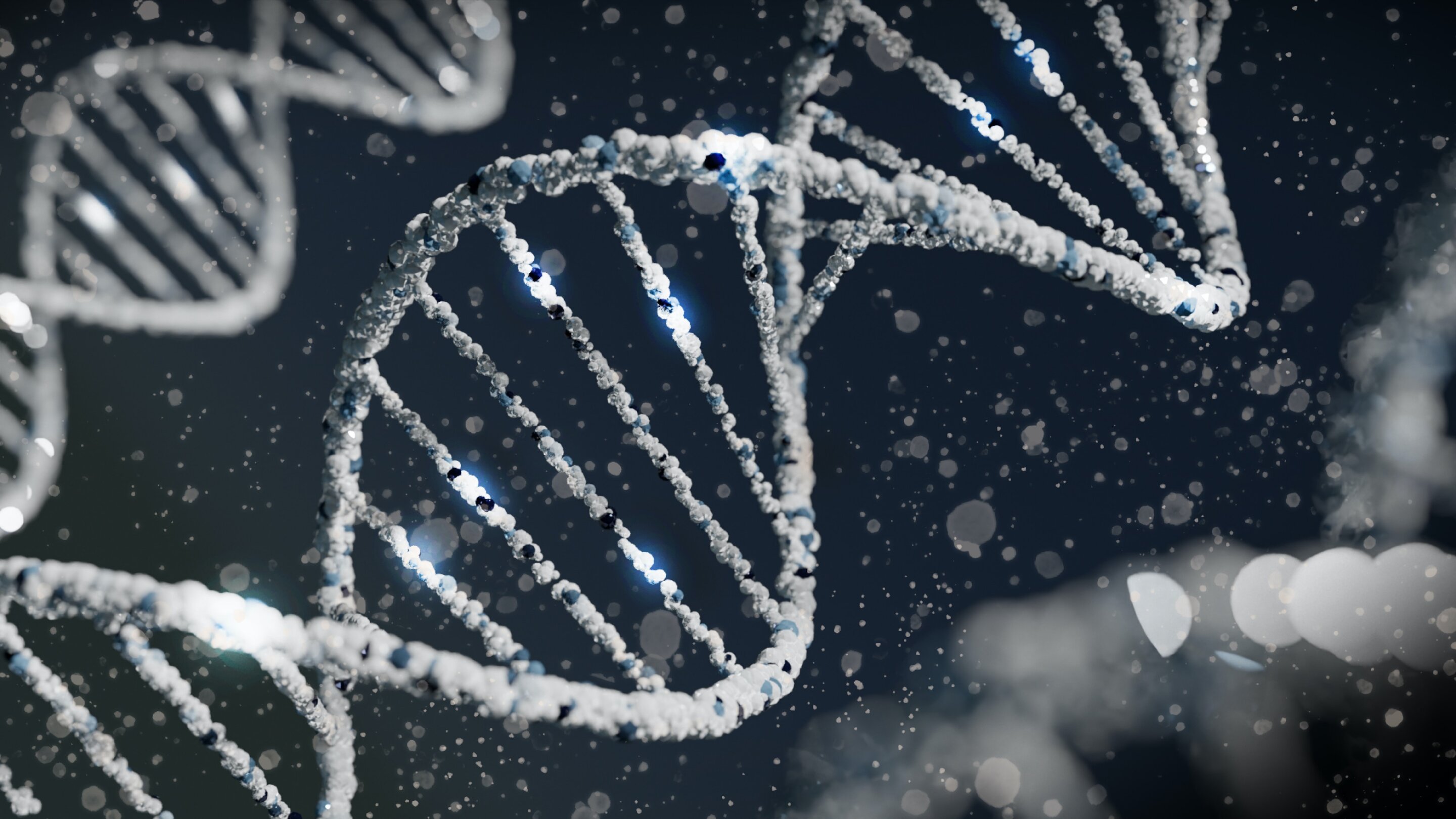
New research shows genetics now explains over half of lifespan variation, but not for the reason you might think
Top Summary
-
What happened: A new study published in Science finds genetics may explain 50–55% of lifespan differences, far higher than earlier estimates.
-
Why it matters now: Modern medicine has reduced deaths from accidents and infections, revealing a stronger genetic signal in ageing-related deaths.
-
What changes for people: Genes appear more influential today, but lifestyle and environment still shape how long you live.
-
Who is affected: Public health planners, genetic researchers, ageing populations, and individuals tracking longevity.
What happened:
For decades, scientists believed that genes account for only 20–25% of how long humans live, with the rest shaped by lifestyle, healthcare, and environment.
A new study challenges that assumption.
By analysing large Scandinavian twin datasets, twins raised apart, and siblings of American centenarians, researchers found that when deaths from accidents and infections are excluded, the genetic contribution to lifespan jumps to around 50–55%.
Why it matters now:
A century ago, many people died from extrinsic causes:
-
Infectious diseases
-
Workplace accidents
-
Poor sanitation
-
Limited medical care
Today, especially in developed countries, most deaths come from intrinsic causes:
-
Heart disease
-
Dementia
-
Age-related organ failure
As deaths increasingly result from the biological ageing process, genetics naturally plays a larger role.
What changes for people:
-
Lifespan differences are now more strongly tied to inherited biology
-
Ageing-related diseases dominate mortality patterns
-
Preventive healthcare delays death, but cannot fully override genetic limits
This does not mean lifestyle choices suddenly stopped mattering.
Who is affected:
-
Older adults living longer than previous generations
-
Healthcare systems managing chronic, age-related disease
-
Researchers studying longevity and genetic risk
-
Policy makers planning for ageing populations
Why earlier estimates weren’t “wrong”
The researchers stress that genes did not become more powerful.
Instead, the environment became more equal.
They use human height as a comparison:
-
In the past, nutrition and illness heavily affected height
-
Today, most children receive adequate nutrition
-
As a result, remaining height differences appear mostly genetic
The same logic applies to lifespan.
As:
-
Vaccination improves
-
Pollution drops
-
Diet and healthcare improve
Environmental variation shrinks — and genetic variation becomes more visible.
Disease-by-disease breakdown
The study found genetics affects diseases differently:
-
Dementia: Strong genetic influence
-
Heart disease: Moderate genetic role
-
Cancer: Relatively weaker genetic contribution
As populations age, diseases driven by internal biological wear-and-tear become dominant, increasing the apparent role of genes.
Understanding “heritability”
The key concept is heritability, which measures how much variation in a population is explained by genetics — not how “fixed” an outcome is.
When environmental risks fall:
-
The percentage explained by genes rises
-
But environment still determines whether people reach their genetic potential
A person with excellent genes can still shorten their life through poor habits — and vice versa.
Bottom line
Genes now explain a larger share of lifespan differences because modern society has reduced many external causes of death. This doesn’t make longevity predetermined — it means biology stands out more once the noise of environment fades. Lifestyle still matters, but genetics increasingly shapes how ageing unfolds.